Polk County Seat on the Peace River
Welcome to Bartow, the historic county seat of Polk County, known as the "City of Oaks and Azaleas" and set where the Peace River begins.
Bartow is a city and the seat of Polk County in central Florida, positioned between Lakeland and Winter Haven in the Lakeland–Winter Haven metropolitan area. With a population of roughly 24,000, it functions as a small-town government and commercial center within one of Florida's larger counties, yet it keeps a distinctly historic, tree-lined character. The city was founded in 1851 as Fort Blount and later renamed for Francis S. Bartow, and it is widely known by its nickname, the "City of Oaks and Azaleas." Bartow's identity is built on history. It is among the oldest cities in Polk County, and its downtown and surrounding residential blocks contain well-preserved homes and buildings from the late 19th and early 20th centuries. The Polk County History Center, housed in a 1908 courthouse, anchors the downtown, while the L.B. Brown House museum preserves the legacy of a notable early Black resident and builder. The Peace River, which begins in Bartow, gives the city a quiet natural edge and feeds the parks and preserves along its southern boundary. As the county seat, Bartow hosts Polk County Public Schools' district offices and many county administrative functions, which contribute steady employment alongside the region's long-standing phosphate and citrus industries. The city's central location places it within reach of Lakeland and Winter Haven in 15 to 25 miles, downtown Tampa in about 35 to 45 miles, and Orlando in roughly 50 to 60 miles, making it a practical base for those who work in the larger metros but prefer a slower pace. Residents tend to describe Bartow as a comfortable, close-knit small town. Its neighborhoods range from historic in-town streets shaded by mature oaks to newer subdivisions on the outskirts, and the city's parks and recreation system provides a backbone of outdoor amenities. For households seeking a central-Florida community with genuine history, county-level services, and convenient access to both Tampa and Orlando, Bartow offers a distinct alternative to the larger surrounding cities.
Bartow is the county seat of Polk County, Florida, located in the central part of the state between Lakeland and Winter Haven. It is part of the Lakeland–Winter Haven metropolitan area.
Bartow has a population of roughly 24,000 residents. It is the county seat of Polk County and one of the county's oldest cities, founded in 1851 as Fort Blount and later renamed for Francis S. Bartow.
Bartow is nicknamed the 'City of Oaks and Azaleas' for its tree-lined, historic streets. It is known as the county seat of Polk County, for its well-preserved late-19th- and early-20th-century architecture, the 1908 courthouse housing the Polk County History Center, and as the place where the Peace River begins.
Bartow is part of Polk County Public Schools, one of Florida's larger districts. The district's administrative offices are located in Bartow, and local campuses include Bartow High School and several elementary, middle, and charter schools.
Bartow is roughly 35 to 45 miles from downtown Tampa and about 50 to 60 miles from Orlando. Lakeland and Winter Haven are each about 15 to 25 miles away, with Highway 60, US 98, and the Polk Parkway providing access to Interstate 4.
City Guide
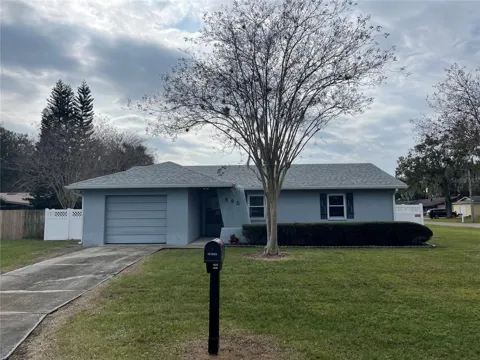
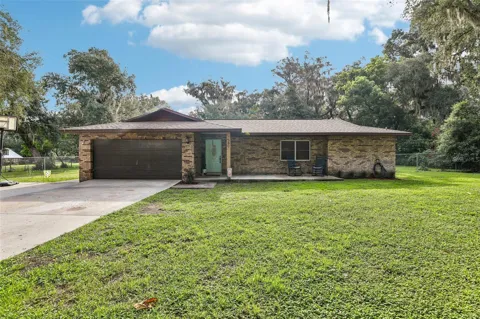
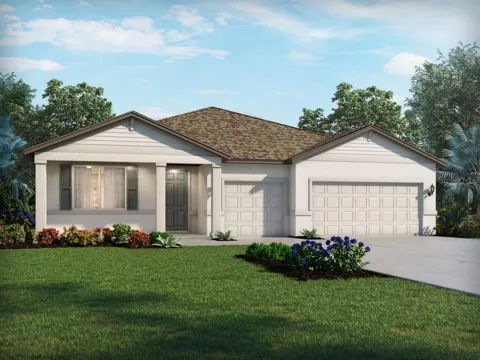
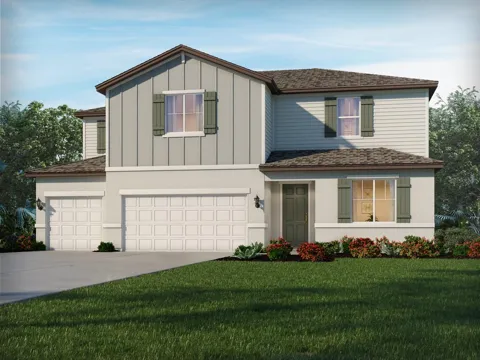
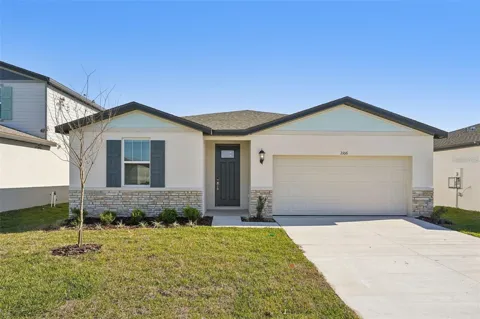
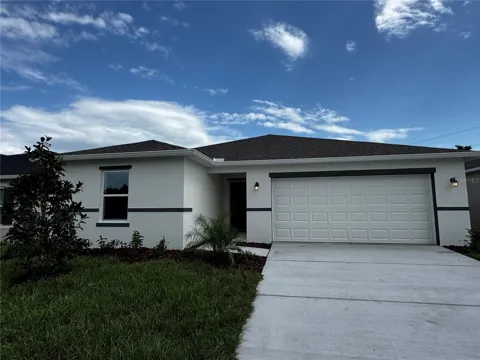
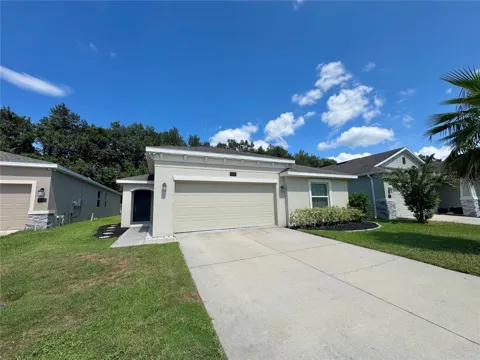
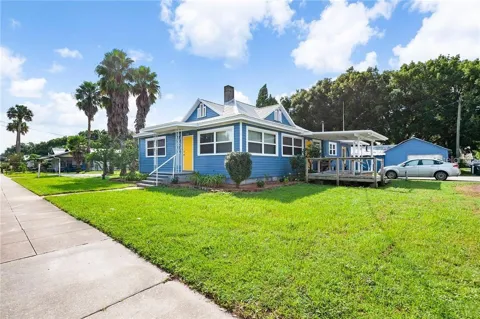
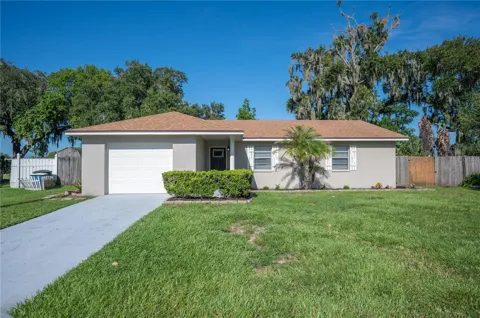
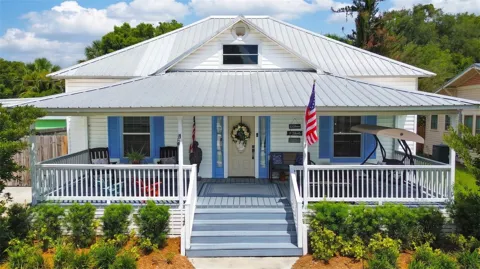
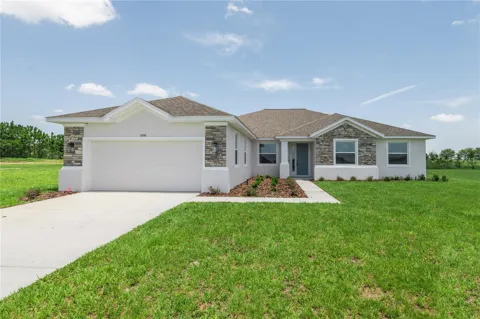
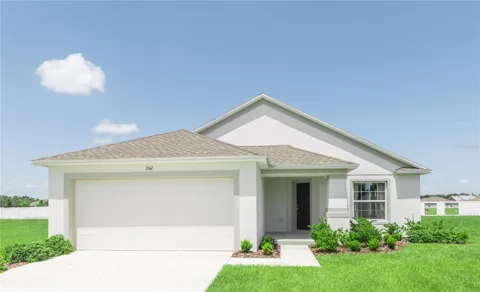
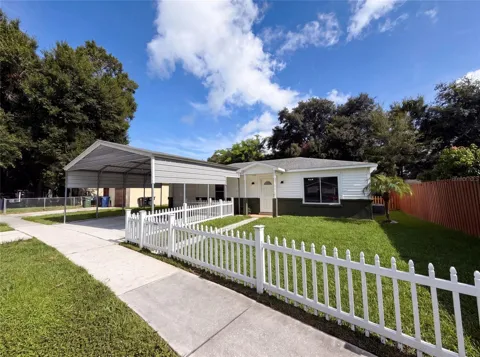
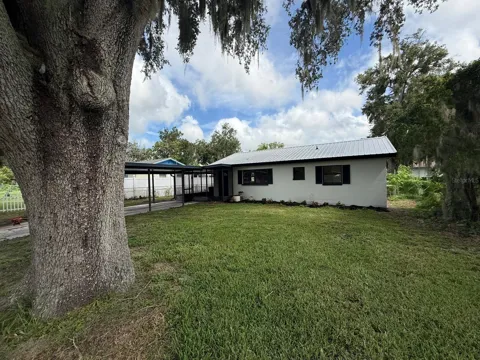
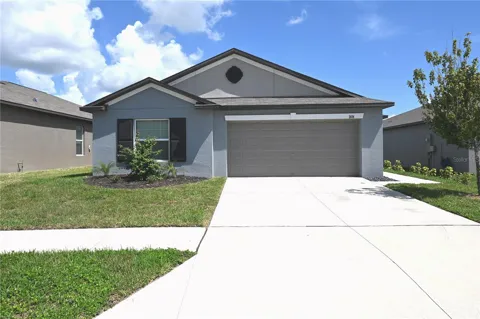
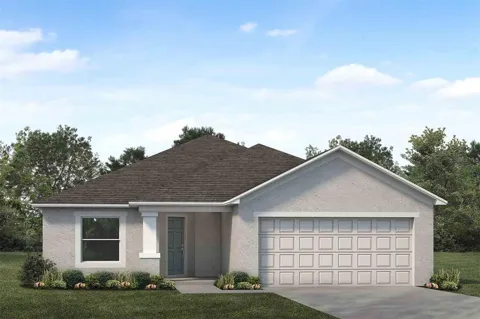
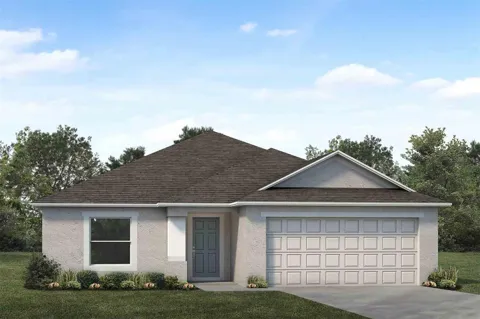
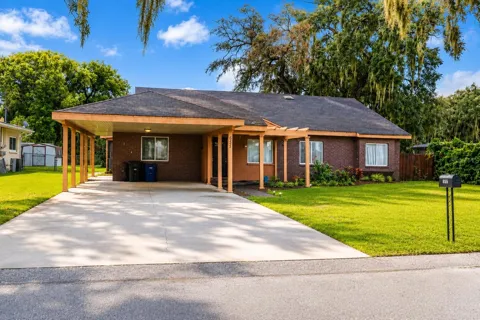
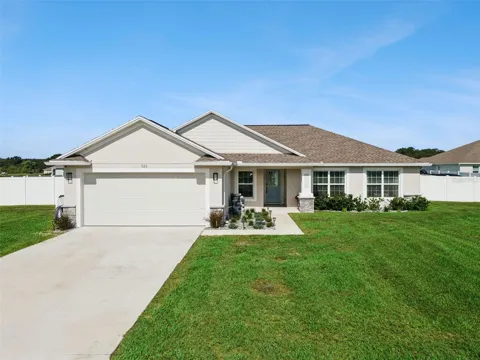
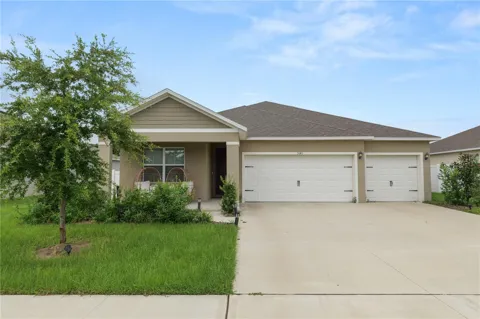
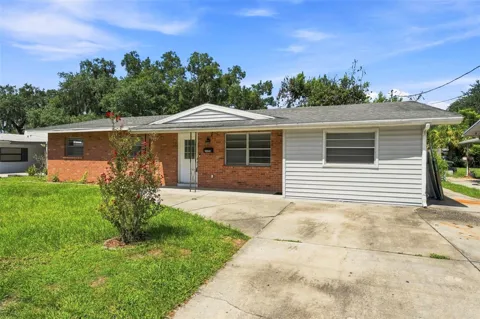
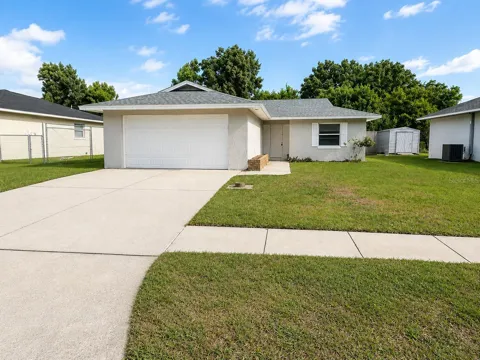
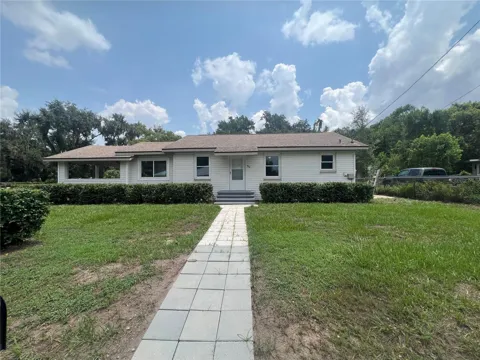
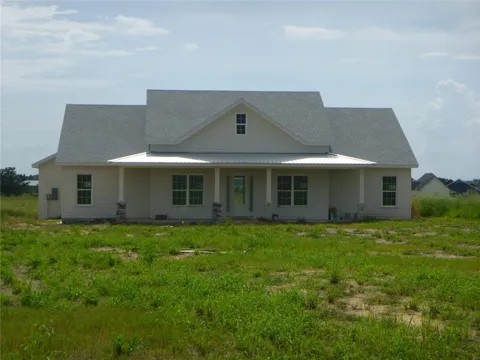
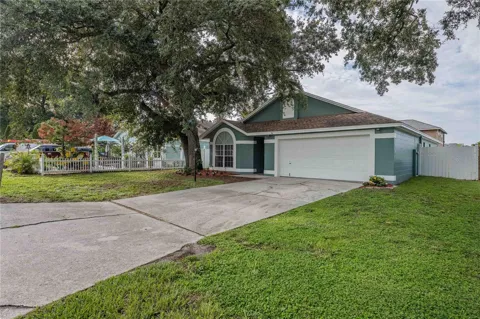
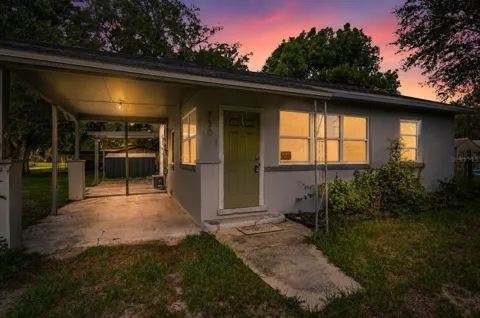
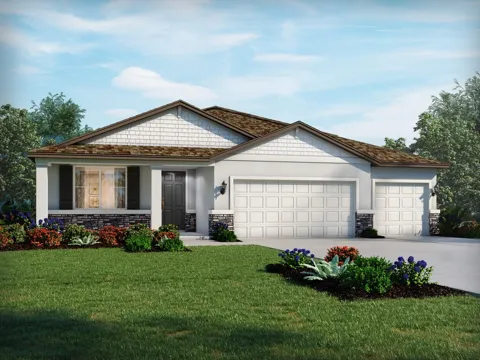
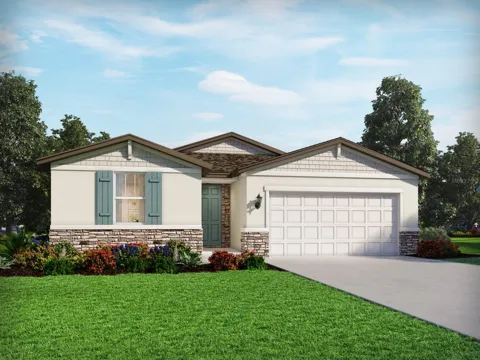
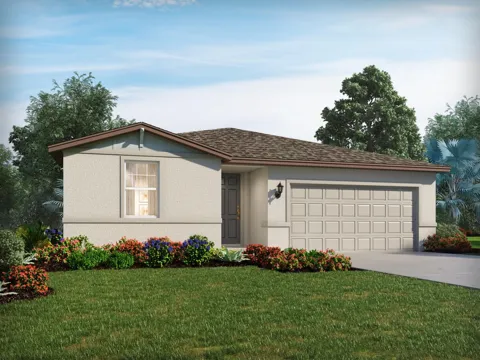
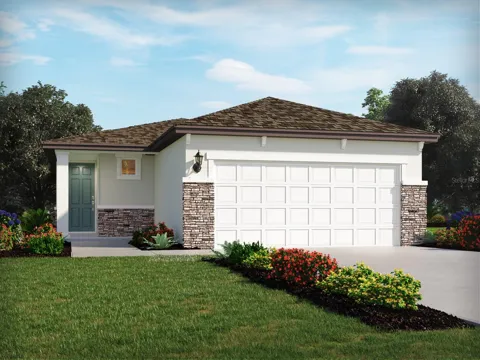
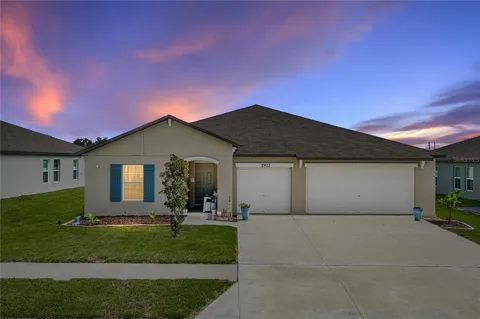
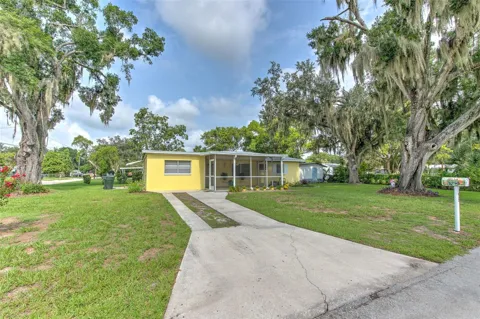
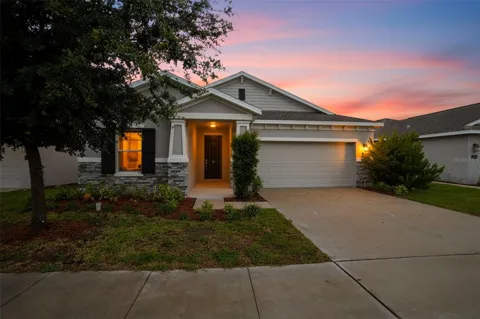
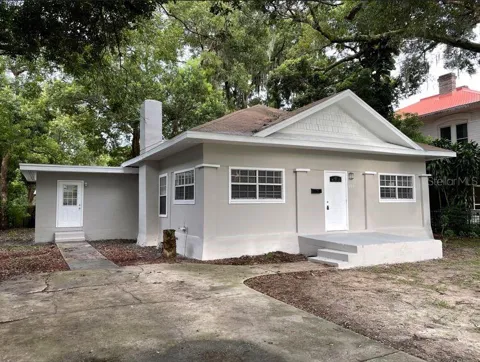
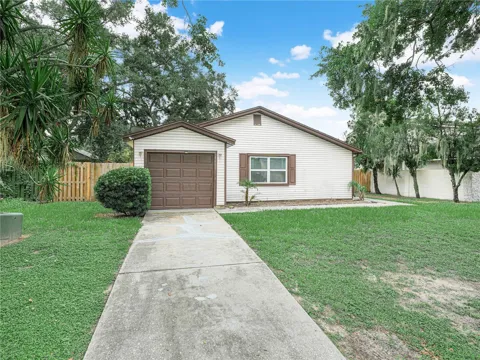
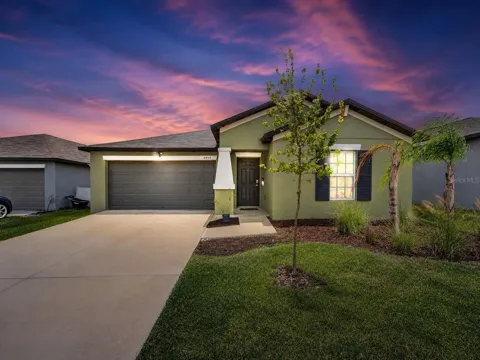
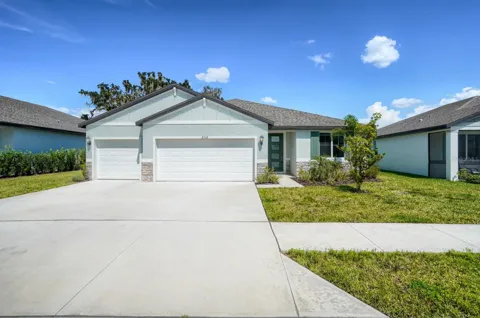
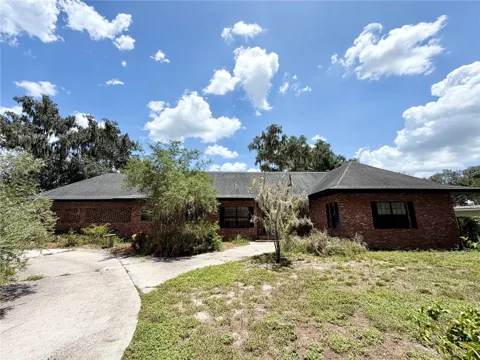
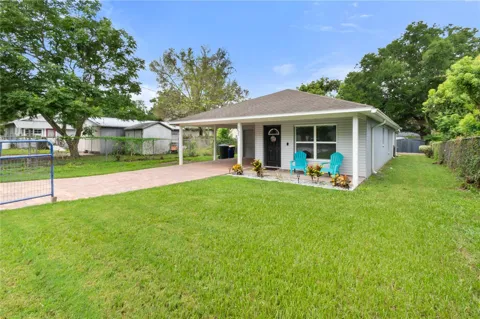
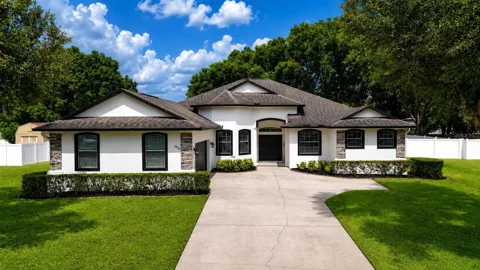
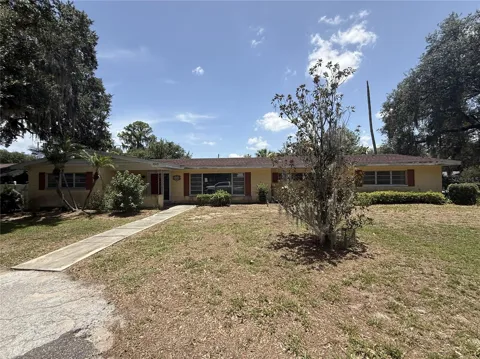
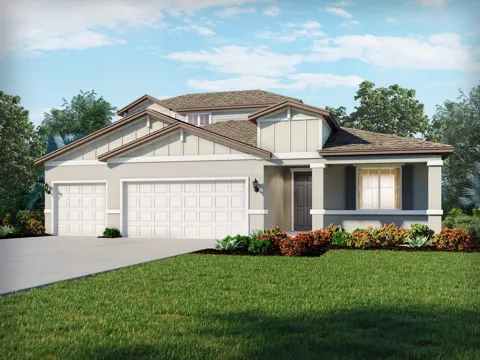
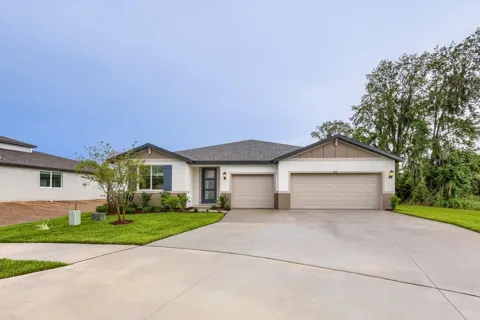
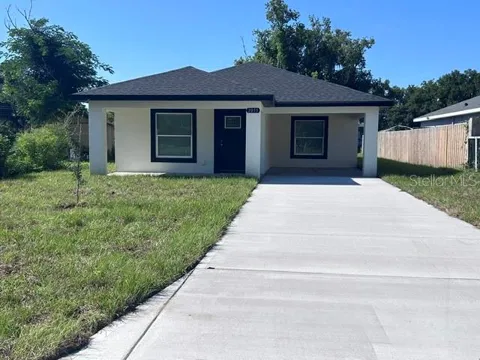
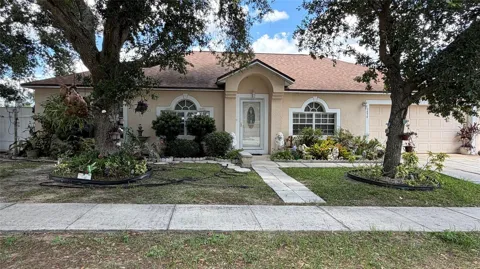
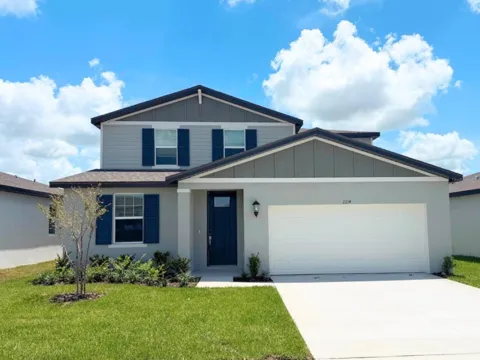
Bartow's housing stock spans more than a century. Its historic in-town neighborhoods hold late-19th- and early-20th-century homes, many restored, while newer single-family subdivisions and modest infill development ring the outskirts. The city's Downtown Commercial District and Northeast Residential District are recognized historic areas, and mature oak canopies give the older streets a shaded, established feel. Compared with neighboring Lakeland, Bartow has historically been viewed as a more value-oriented market, attracting buyers who want central-Florida convenience and small-town character. County growth has also brought newer construction to the city's edges.
Bartow's older neighborhoods cluster around its historic downtown, where tree-lined streets hold a mix of well-preserved early-20th-century homes. The Northeast Residential District is among the city's recognized historic areas, while West Bartow offers a classic central-Florida small-town feel with local shops near downtown. The Greater Bartow area extends east toward newer suburban development, and nearby communities such as Highland City in south Lakeland provide additional housing options. Across the city, residents generally live within a short drive of downtown, the county government center, and the surrounding parks.
Life in Bartow centers on a walkable historic downtown of independent businesses, civic buildings, and community events. The Polk County History Center in the 1908 courthouse and the L.B. Brown House Museum anchor the cultural calendar, while annual events and markets draw residents from across the county. Dining and entertainment options are modest compared with Lakeland or Tampa, but the city's quiet, family-oriented pace is central to its appeal. The region's citrus and phosphate heritage, together with the Peace River setting, gives Bartow a distinctive sense of place.
Bartow is served by Polk County Public Schools, one of Florida's larger districts with more than 160 schools and over 110,000 students; the district's administrative offices are located in the city. Local campuses include Bartow High School and several elementary and middle schools, along with charter options such as Compass Middle Charter School and Bella Citta. The presence of the district headquarters makes Bartow a natural hub for education employment, and nearby Lakeland and Winter Haven offer additional private and specialized school choices.
Bartow sits at a central point between Florida's larger metros, roughly 15 to 25 miles from Lakeland and Winter Haven, about 35 to 45 miles from downtown Tampa, and 50 to 60 miles from Orlando. Highway 60 and US 98 are the main corridors, with the Polk Parkway providing access to Interstate 4 for regional travel. Citrus Connection, operated by the Lakeland Area Mass Transit District, offers public bus service in Bartow and surrounding communities, and Bartow Executive Airport serves private and general aviation traffic.
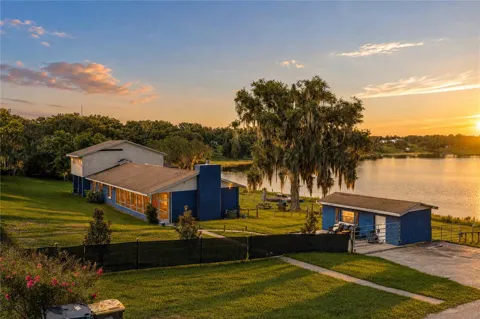
The Peace River begins in Bartow and defines the city's southern edge. Mosaic Peace River Park, a 460-acre former phosphate mine donated to the county in 1984, offers more than 7.5 miles of multi-use trails and a one-mile boardwalk winding through cypress floodplain forest to the river. Mary Holland Park and the city's parks and recreation system provide playgrounds, sports fields, and picnic areas, while nearby Circle B Bar Reserve and Bonnet Springs Park in Lakeland add regional hiking and wildlife viewing within a short drive.
MARKET SNAPSHOT
How homes have been selling here over the last 90 days.
Market data reflects closed sales over the last 90 days and is provided for informational purposes.
BROWSE BY ZIP
Browse listings by postal code in this area.