Scottish-Flavored Gulf Coast City
Welcome to Dunedin, a Pinellas County city on Florida's Gulf Coast known for its Scottish heritage, walkable downtown, Honeymoon Island, and spring-training baseball.
Dunedin is a city in Pinellas County, Florida, set along the Gulf Coast between Clearwater and Tarpon Springs, within the Tampa–St. Petersburg–Clearwater metropolitan area. Its name comes from Dùn Èideann, the Scottish Gaelic name for Edinburgh, and that Scottish connection remains one of the city's defining features, celebrated through Highland games, Celtic festivals, and a visible sense of heritage downtown. With a population of about 36,100 in the 2020 census, Dunedin is the fifth-largest city in Pinellas County. The city grew from citrus-growing and settlement roots into a mid-twentieth-century tourist and snowbird destination, drawn by its beaches—chief among them Honeymoon Island—and its compact, attractive downtown. Today that downtown is the heart of local life, known for its restaurants, craft breweries, independent shops, and arts scene, all within a few walkable blocks. The Pinellas Trail, a regional rail-trail, runs through the city and links it by bike and foot to the wider county. Baseball is another long-standing institution. TD Ballpark hosts the Toronto Blue Jays for spring training, a relationship spanning roughly half a century, and is home to the Dunedin Blue Jays minor-league club. The spring-training season brings a reliable rhythm of visitors each winter, while the rest of the year the city's beaches, parks, and waterfront keep it a destination in its own right. For residents, Dunedin offers a combination that is increasingly rare on Florida's Gulf Coast: a genuine, walkable downtown, direct access to state-park beaches at Honeymoon and Caladesi Islands, and a strong local identity rooted in Scottish heritage. It appeals to those seeking a coastal Pinellas County lifestyle with more character and less sprawl than nearby commercial beach towns, while remaining within easy reach of Clearwater, St. Petersburg, and Tampa.
Dunedin is located in Pinellas County, Florida, on the Gulf Coast between Clearwater to the south and Tarpon Springs to the north. It is part of the Tampa–St. Petersburg–Clearwater metropolitan area and is the fifth-largest city in Pinellas County.
Dunedin takes its name from Dùn Èideann, the Scottish Gaelic name for Edinburgh, Scotland. The city's Scottish roots are a defining part of its identity, celebrated through events such as the Dunedin Highland Games in the spring and the Dunedin Celtic Festival in the fall, and reflected in the Scottish flags and banners seen around town.
Honeymoon Island is a barrier island and state park just off Dunedin, known for its beaches, nature trails, and birdwatching. The adjacent Caladesi Island State Park is reachable by ferry and offers more undeveloped shoreline. Together they give Dunedin direct access to some of the less-crowded Gulf Coast beaches in the Tampa Bay area.
The Toronto Blue Jays hold their Major League Baseball spring training at TD Ballpark in Dunedin, and the Dunedin Blue Jays, the team's Florida State League minor-league affiliate, also play there. Spring-training baseball has been a fixture in the city for decades and brings a seasonal influx of visitors each winter and early spring.
Dunedin sits on Florida's Gulf Coast, roughly twenty-five miles west of Tampa and adjacent to the Clearwater area, within the larger Tampa–St. Petersburg–Clearwater metropolitan region. Its downtown, beaches, and trail network make it a popular coastal base within that metro area.
City Guide
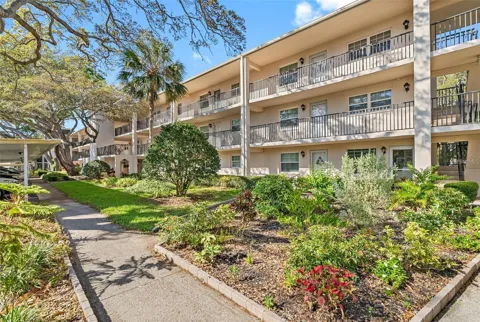
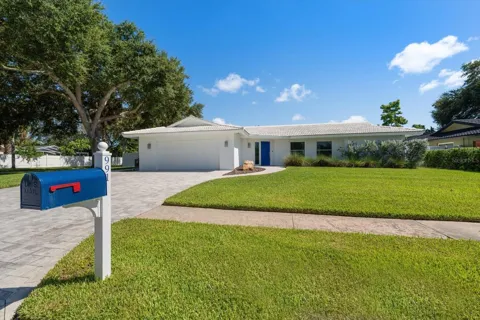
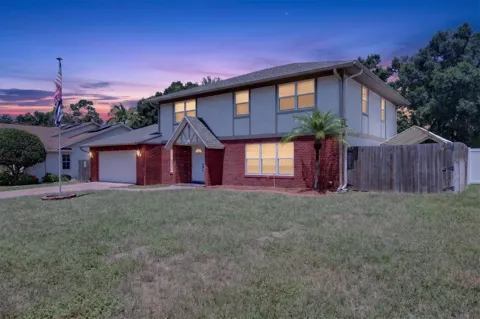
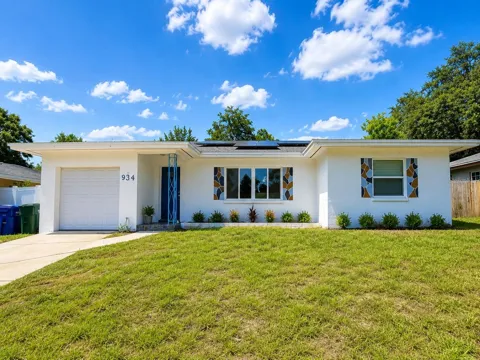
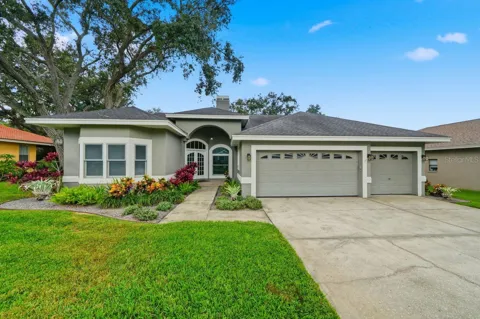
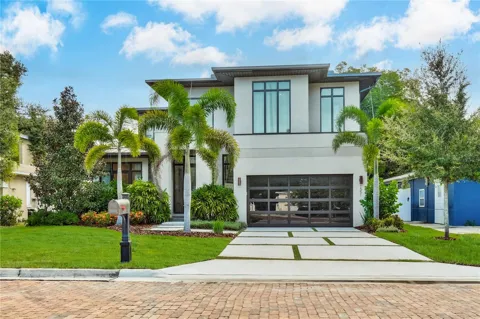
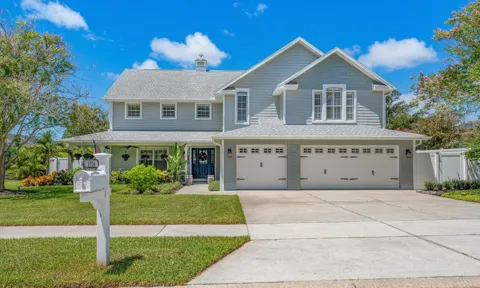
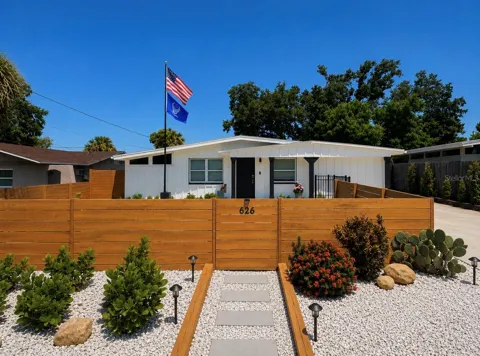
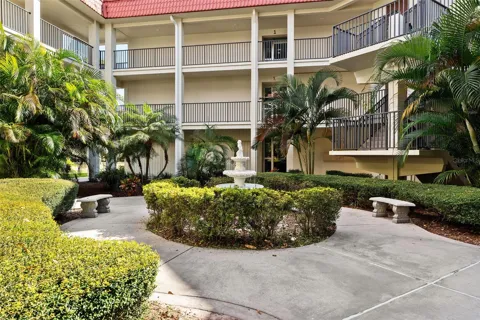
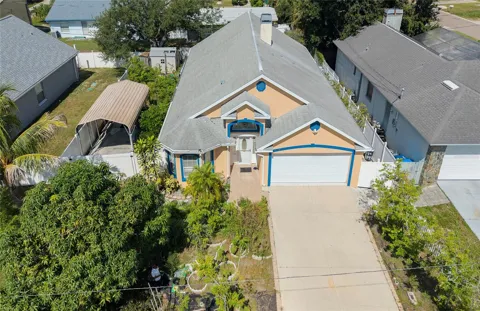
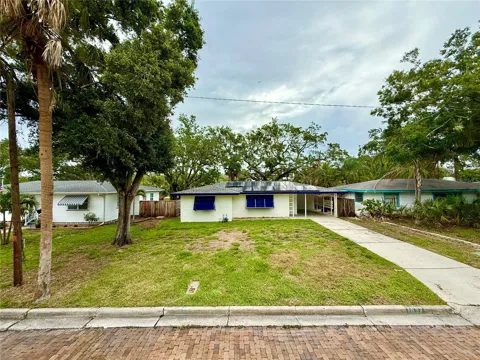
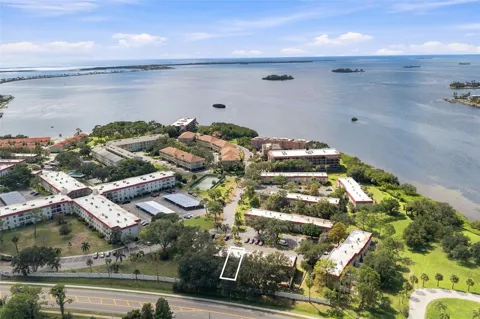
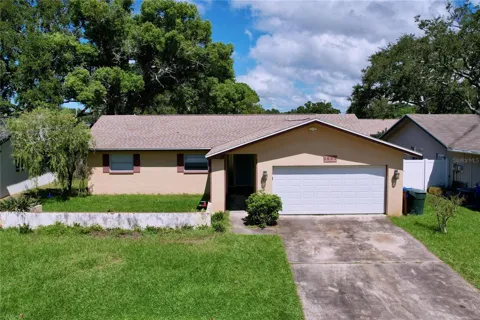
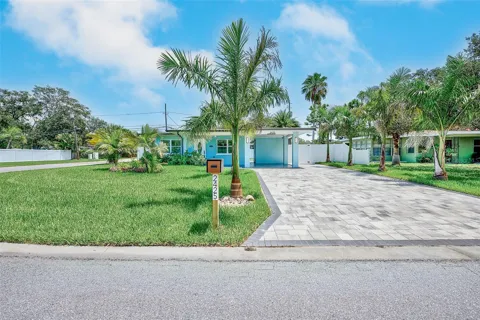
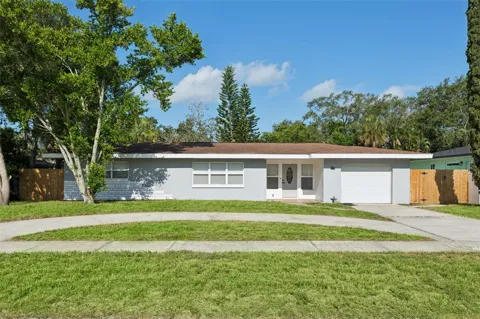
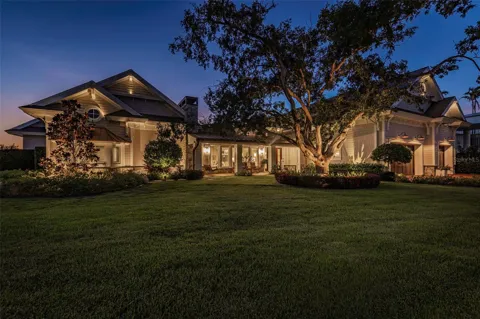
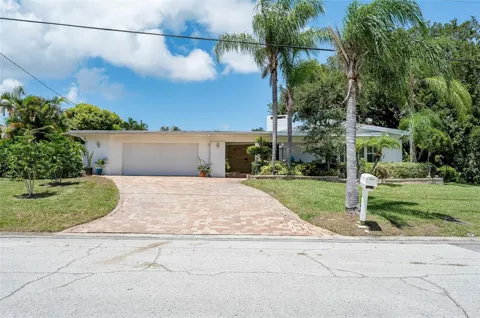
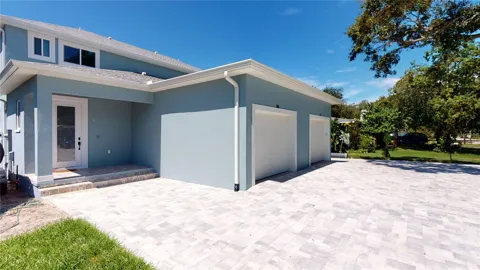
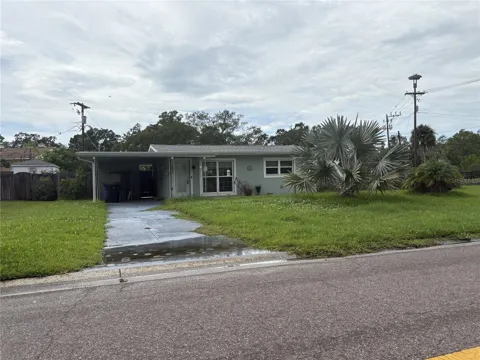
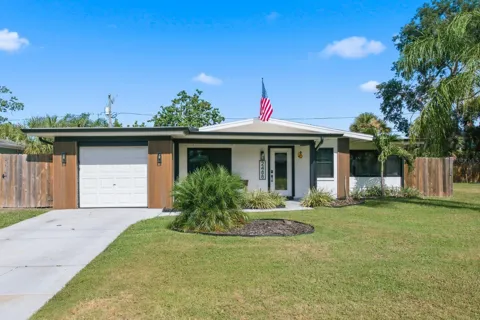
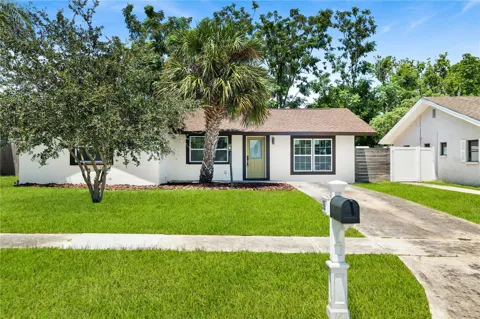
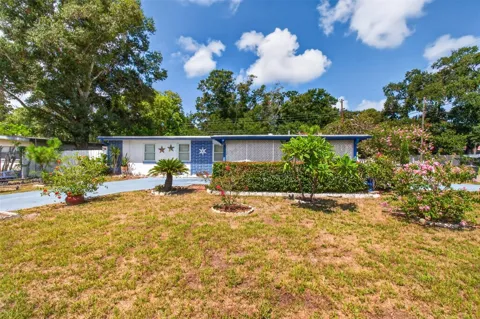
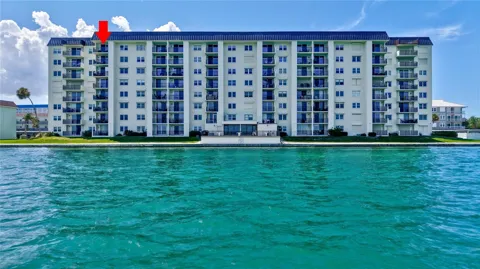
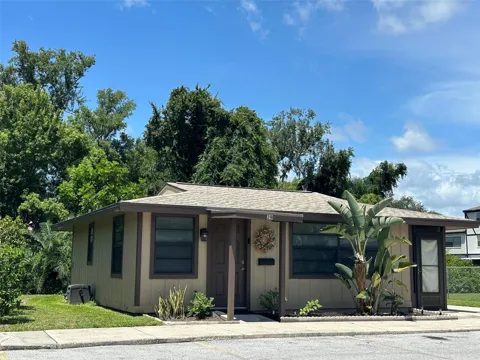
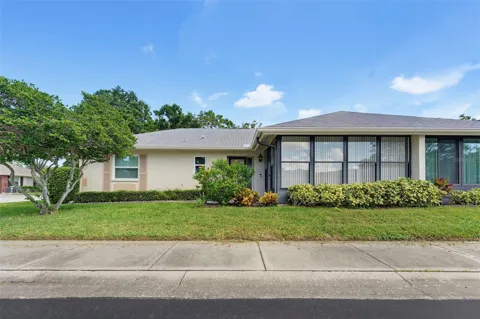
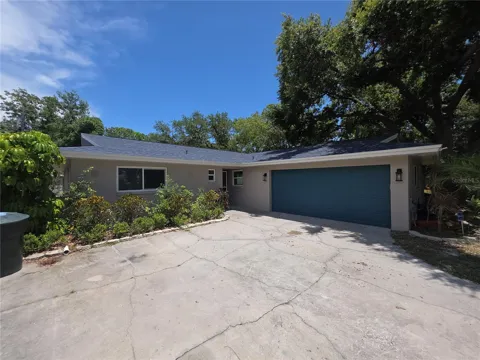
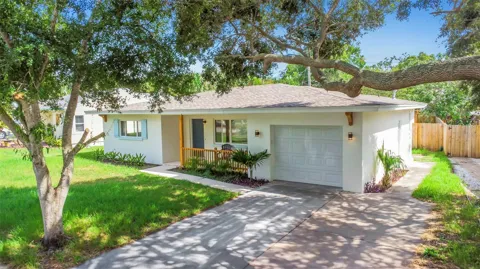
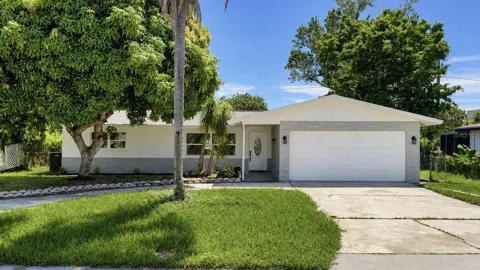
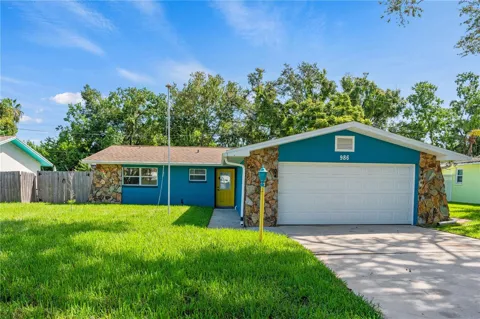
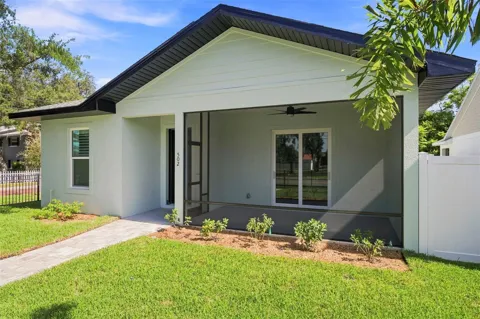
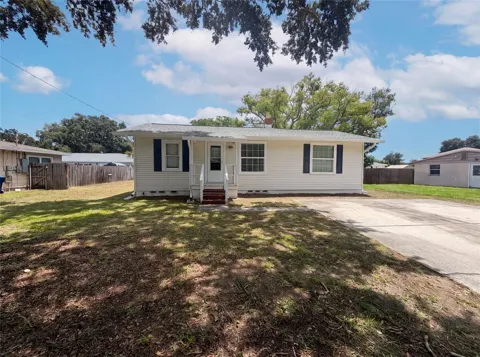
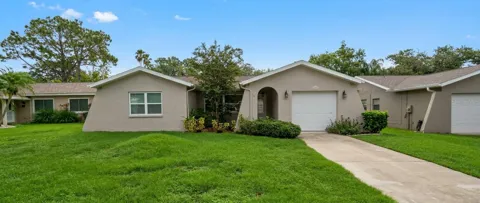
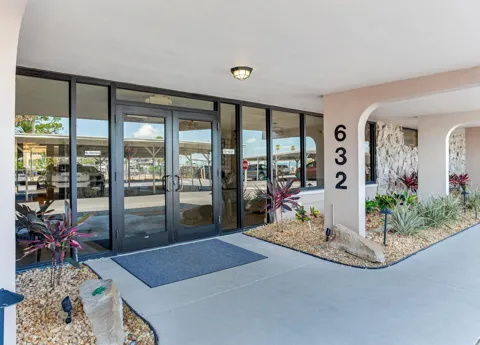
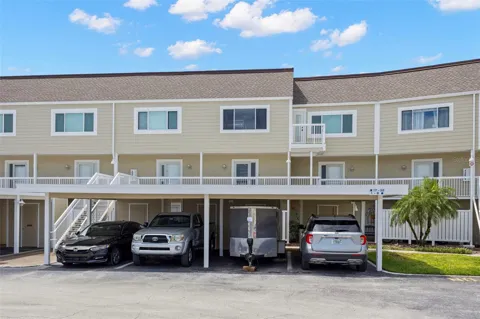
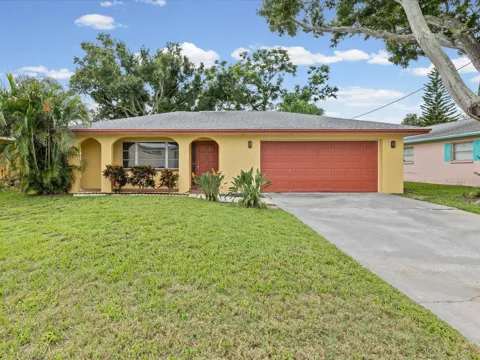
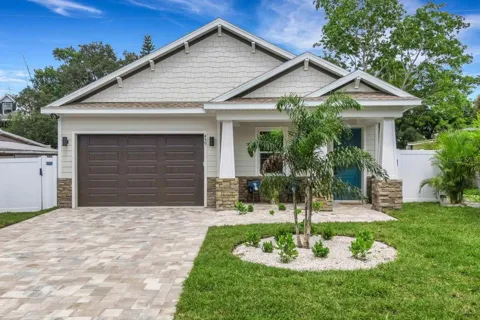
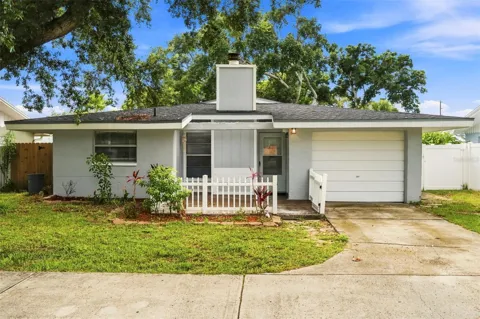
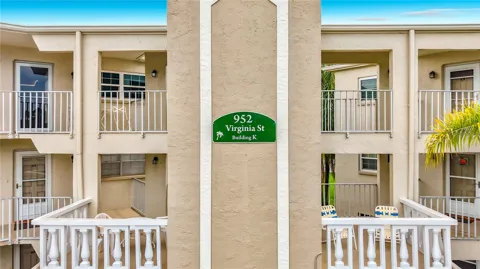
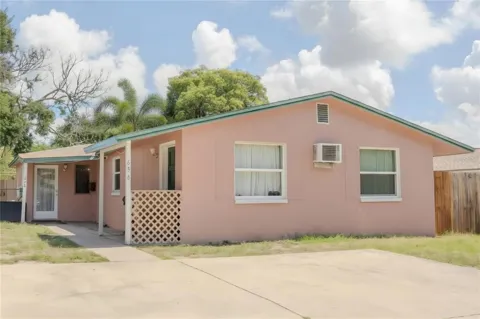
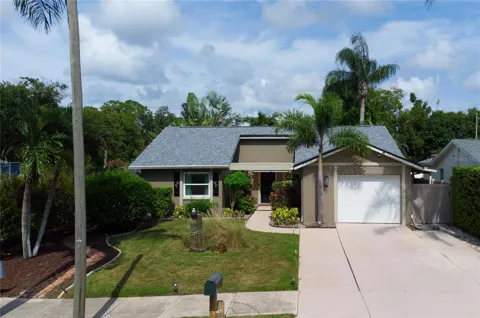
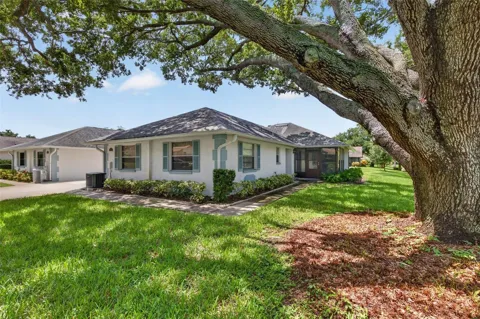
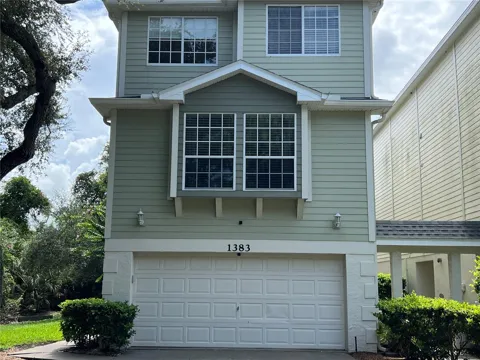
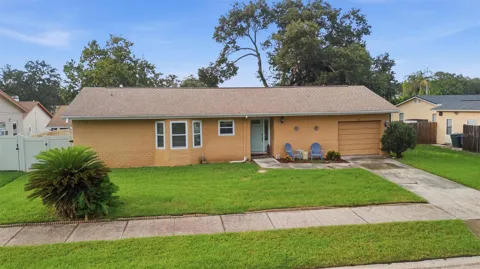
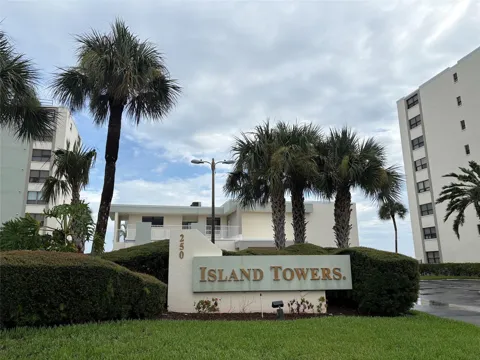
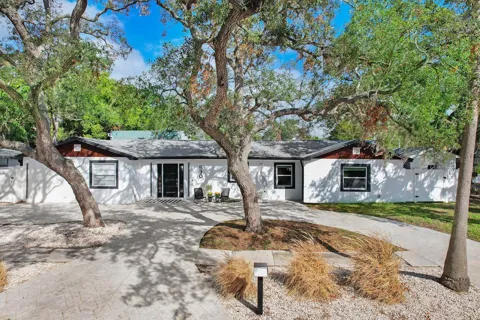
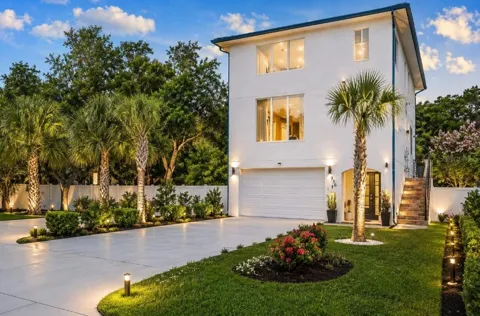
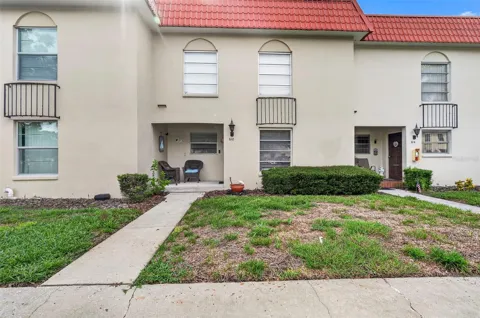
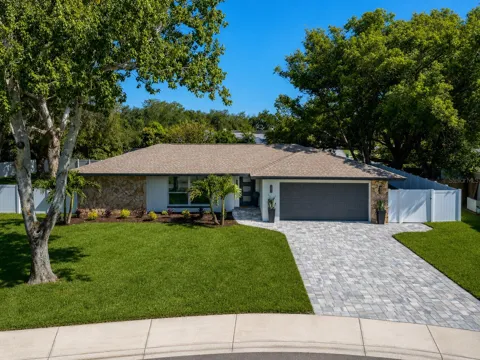
Dunedin's housing stock reflects its long Gulf Coast history, mixing early- and mid-twentieth-century Florida homes, bungalows, and newer construction with condominiums and townhomes near downtown and the water. Neighborhoods close to the Pinellas Trail, the marina, and the downtown district tend to be walkable and older, while areas farther inland offer a broader range of single-family subdivisions. Some of the city's most desirable settings are its waterfront and near-water streets, and the community retains a substantial share of established, tree-lined residential blocks. As an older, largely built-out Pinellas County city, Dunedin's housing character leans toward mature neighborhoods and renovations rather than large new subdivisions.
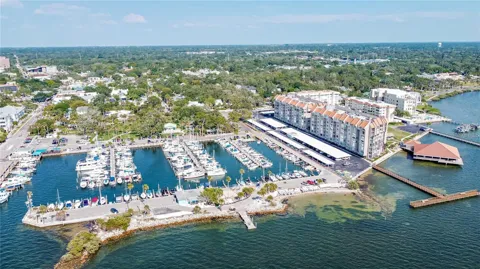
Dunedin's neighborhoods cluster around its downtown and waterfront. The walkable downtown area mixes historic homes, bungalows, and condos within easy reach of Main Street's shops, breweries, and restaurants. The Southside neighborhood is predominantly single-family residential with a strong civic presence and access to public spaces, while Wood Street offers a range of housing types near the city center. Areas along the Pinellas Trail and near the marina and causeway to Honeymoon Island provide convenient access to recreation. Because much of the city is built out, Dunedin's neighborhoods tend to be established and cohesive, with character drawn from proximity to either the downtown, the trail, or the water.
Dunedin combines a walkable, small-scale downtown with Gulf Coast beach access and a distinct Scottish flavor. The downtown district is known for its restaurants, craft breweries, independent shops, and public art, drawing both residents and visitors year-round. Annual events anchor the community calendar, including the Dunedin Highland Games in the spring and the Dunedin Celtic Festival in the fall, along with other downtown festivals and parades. Spring training brings a seasonal energy around TD Ballpark, while the Pinellas Trail threads through town for walking and cycling. The overall lifestyle is relaxed and coastal, with an arts-and-food culture that sets Dunedin apart from more commercial Gulf Coast neighbors.
Public education in Dunedin is provided by Pinellas County Schools, one of Florida's larger districts, which operates elementary and middle schools in the city along with Dunedin High School. The district's magnet and choice programs give families additional options beyond neighborhood attendance zones. Dunedin's schools serve a coastal community with a mix of established families, seasonal residents, and a growing base of younger households drawn by the downtown and waterfront lifestyle. As with the rest of Pinellas County, families evaluating a move typically confirm specific school assignments by address, since the county's school system covers a broad geographic area.
Dunedin sits in northern Pinellas County, with access to the region via US-19 and the nearby State Route 60 and Gulf-to-Bay corridors. Downtown Dunedin is compact and walkable, and the Pinellas Trail provides a bicycle and pedestrian route that connects the city to Clearwater, Tarpon Springs, and the rest of the county. St. Pete–Clearwater International Airport lies a short drive to the south, with Tampa International Airport across the bay. Commuters to Tampa or St. Petersburg rely primarily on cars, though the city's small downtown and trail network make local trips by foot or bike unusually practical for a Florida coastal community.
Recreation in Dunedin centers on the water and the trail. Honeymoon Island State Park offers Gulf beaches, nature trails, and birdwatching just offshore, and Caladesi Island State Park, reachable by ferry, adds undeveloped shoreline and kayaking. The Pinellas Trail provides a paved corridor for walking, running, and cycling through the city and beyond. Dunedin's marina and waterfront support sailing, fishing, and boating, while TD Ballpark brings professional and minor-league baseball to town. The city's parks, the downtown's festivals and events, and the nearby Gulf all combine to give residents year-round outdoor and cultural recreation without leaving the immediate area.
MARKET SNAPSHOT
How homes have been selling here over the last 90 days.
Market data reflects closed sales over the last 90 days and is provided for informational purposes.
BROWSE BY ZIP
Browse listings by postal code in this area.