Bass Fishing Capital on the Big O
Welcome to Okeechobee, the county seat on the north shore of Lake Okeechobee, a legendary bass-fishing destination at the heart of Florida's ranch country.
Okeechobee is a city and the county seat of Okeechobee County, in south-central Florida on the north shore of Lake Okeechobee, the largest freshwater lake in the state. Known locally as the "Big O," the roughly 730-square-mile lake dominates the region's identity, economy, and recreation. The city's name derives from the Hitchiti words for "big water," reflecting the lake's defining presence. The area's economy is rooted in agriculture, cattle ranching, and the fishing and outdoor tourism built around the lake. Lake Okeechobee is one of the nation's most celebrated largemouth bass fisheries, consistently producing trophy-class fish and drawing anglers from across the country and beyond. Airboat charters, fishing guides, marinas, and fish camps form a local industry serving these visitors, while citrus and ranching remain important to the broader county. The city itself is small, with a population of about 5,300, and retains the pace and character of a rural county seat. Downtown Okeechobee offers the civic and commercial essentials of a small Florida town, surrounded by ranchland and open space. The Okeechobee Waterway, completed in 1937, crosses the state through the lake, linking Fort Myers on the Gulf coast with Stuart on the Atlantic and giving the area a cross-state boating connection. Okeechobee County Schools serve local students, and the Lake Okeechobee Scenic Trail follows the Herbert Hoover Dike that encircles the lake, offering walking and cycling with sweeping water views. For residents, Okeechobee offers an affordable, outdoors-centered way of life defined by fishing, boating, and a close-knit rural community, well removed from Florida's crowded coasts.
Okeechobee is the county seat of Okeechobee County, in south-central Florida on the north shore of Lake Okeechobee. It is a small city surrounded by ranchland and the state's largest freshwater lake, known locally as the Big O.
Okeechobee is known as a premier bass-fishing destination on Lake Okeechobee, Florida's largest freshwater lake. The lake consistently produces trophy-class largemouth bass and speckled perch, drawing anglers from around the world.
Okeechobee is served by Okeechobee County Schools, the district that operates public schools across the county. The district is headquartered in the city and provides education from elementary through high school for the surrounding communities.
Lake Okeechobee covers roughly 730 square miles, making it Florida's largest freshwater lake. A scenic trail runs along the Herbert Hoover Dike that encircles the lake, and the Okeechobee Waterway links it to both of Florida's coasts.
Okeechobee sits inland in south-central Florida, roughly 60 miles from West Palm Beach on the Atlantic coast. The Okeechobee Waterway connects the lake to Fort Myers on the Gulf coast and Stuart on the east coast.
City Guide
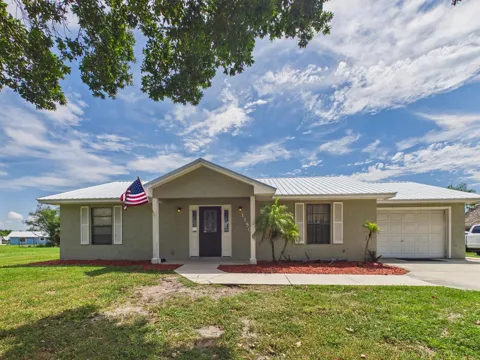
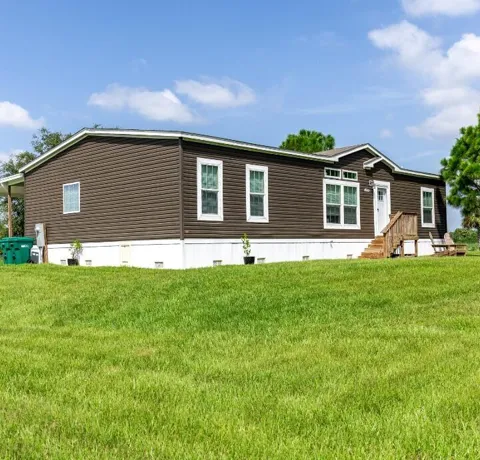
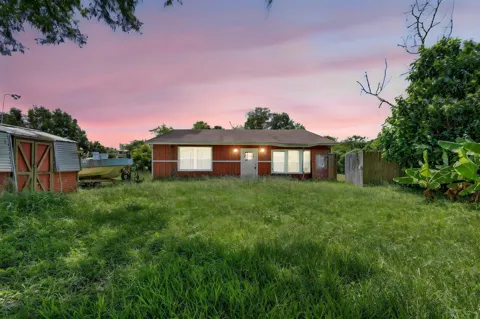
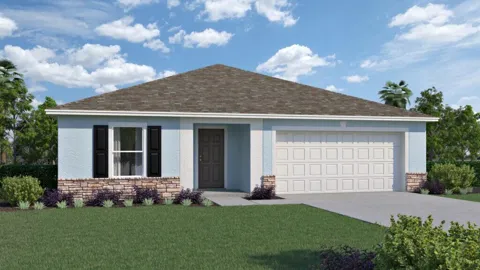
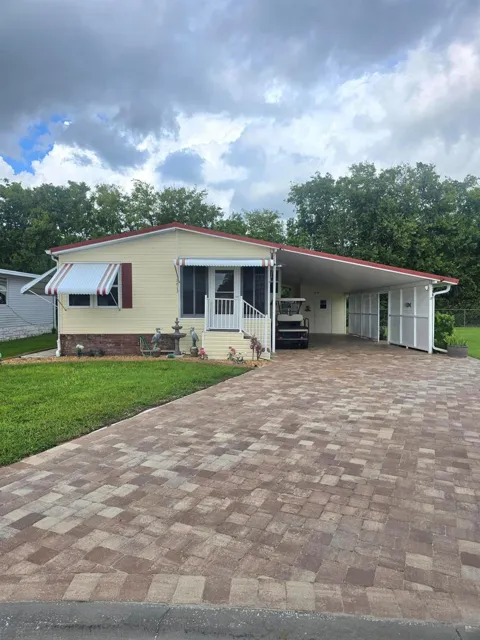
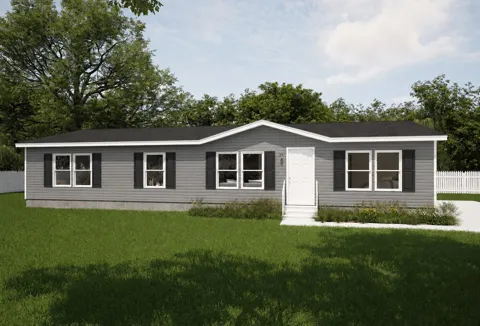
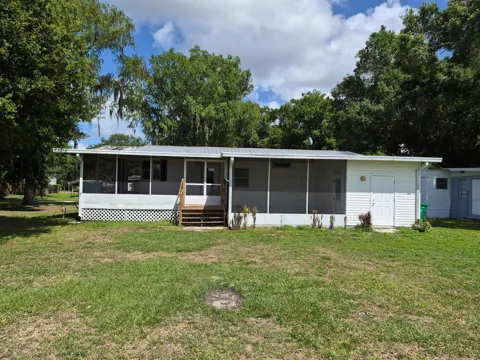
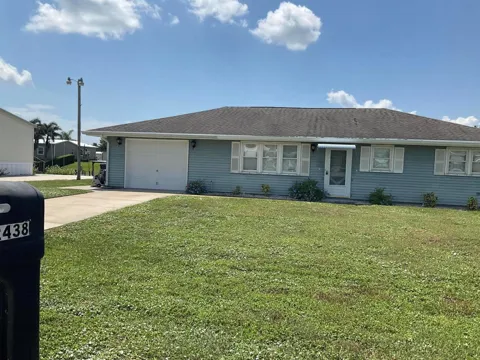
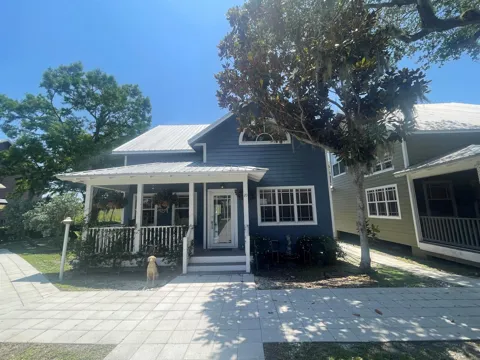
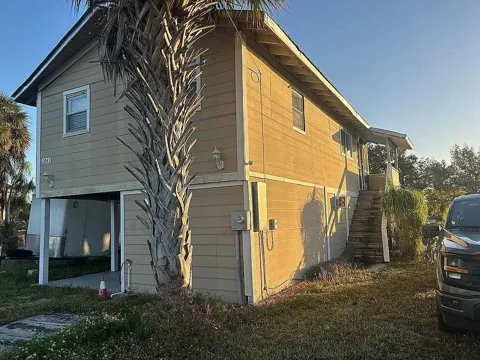
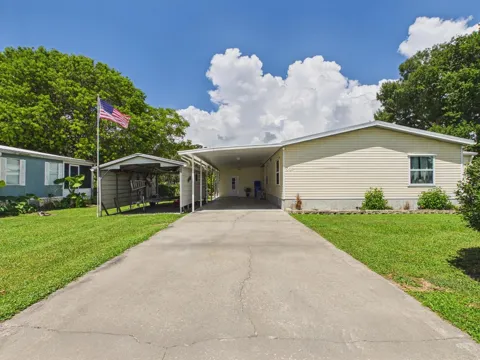
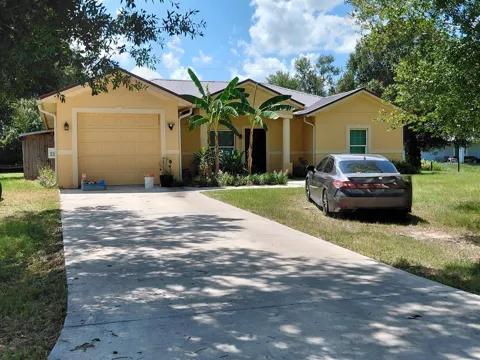
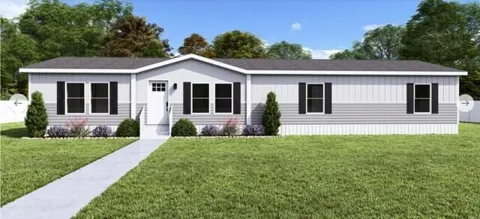
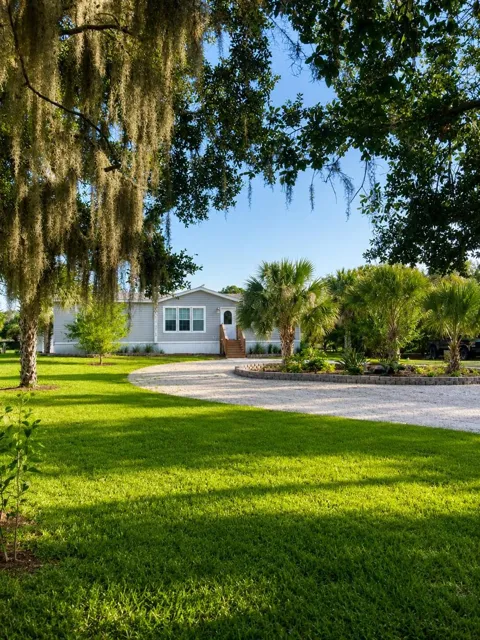
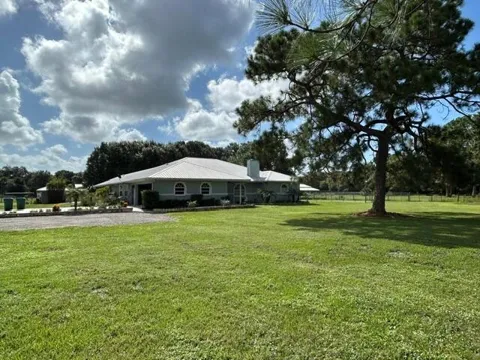
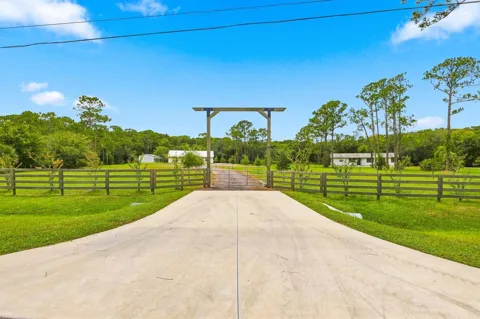
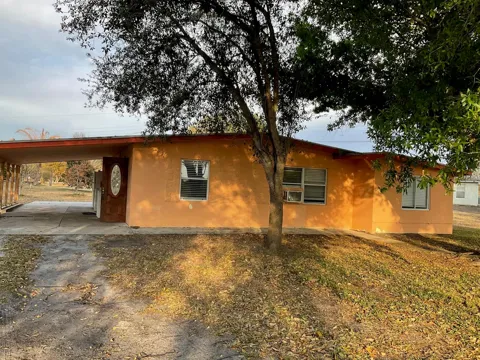
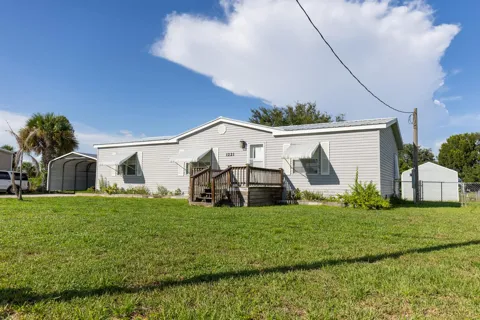
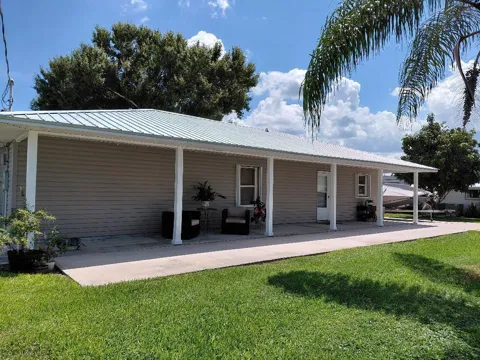
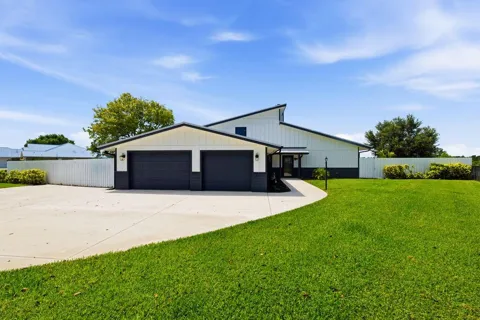
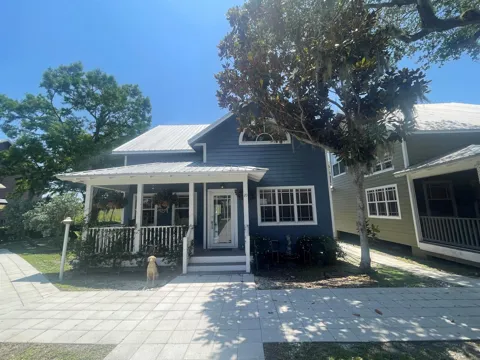
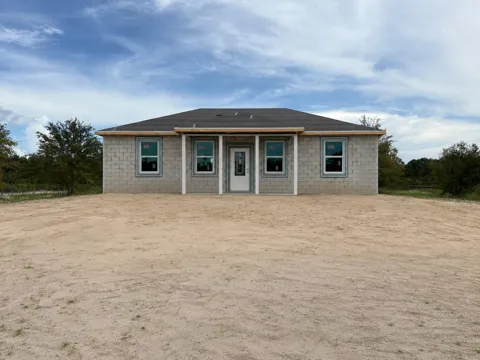
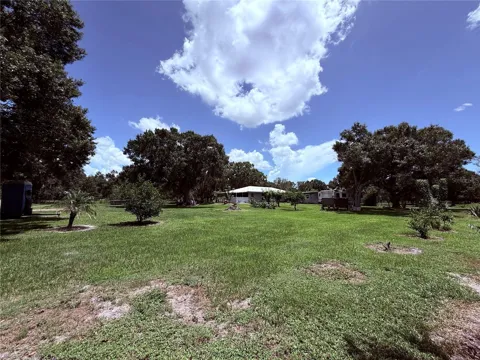
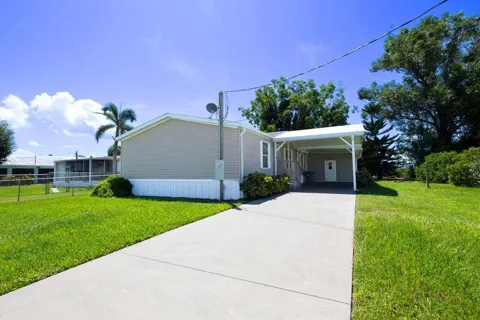
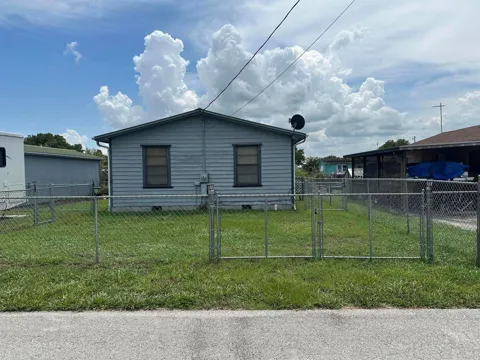
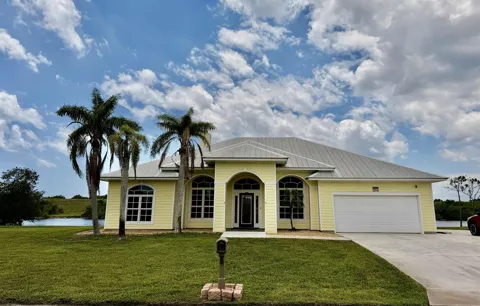
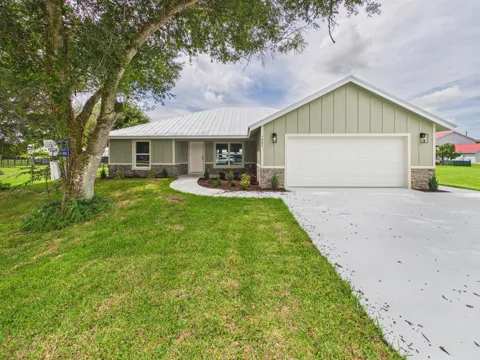
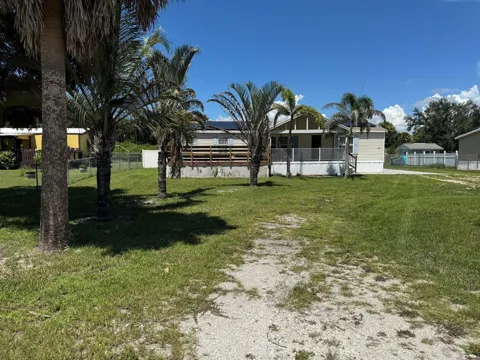
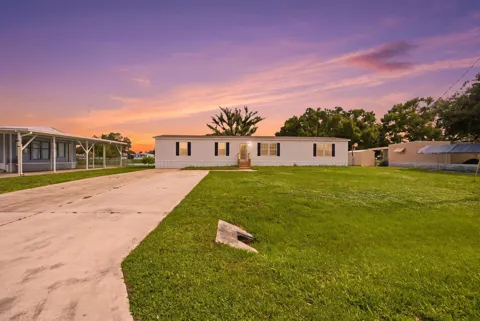
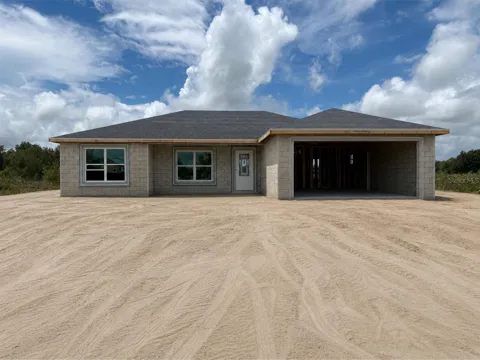
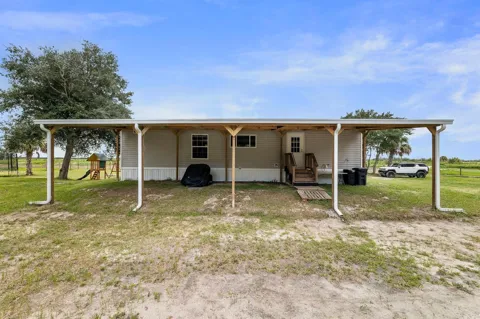
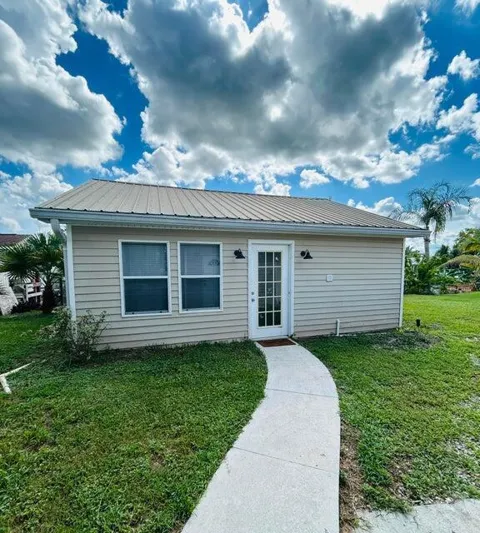
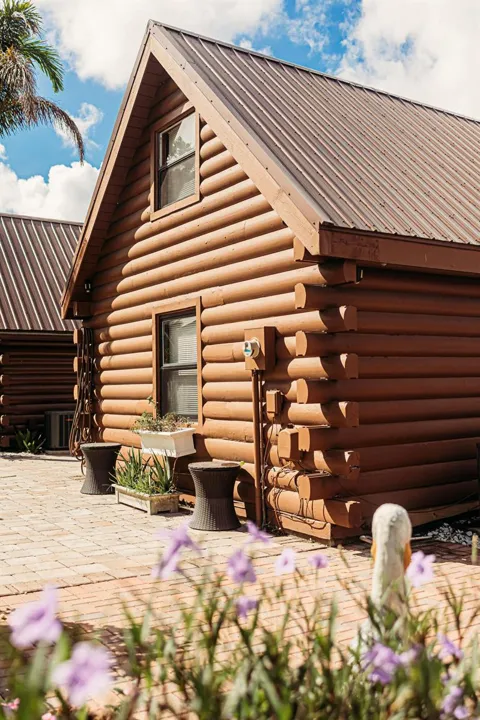
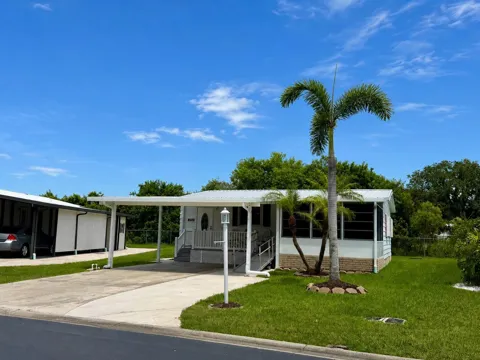
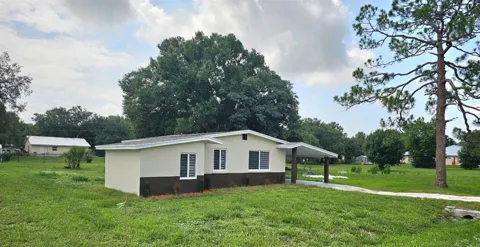
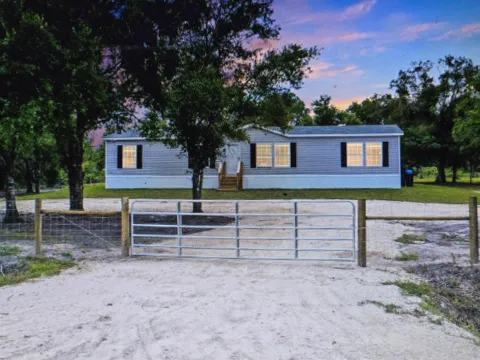
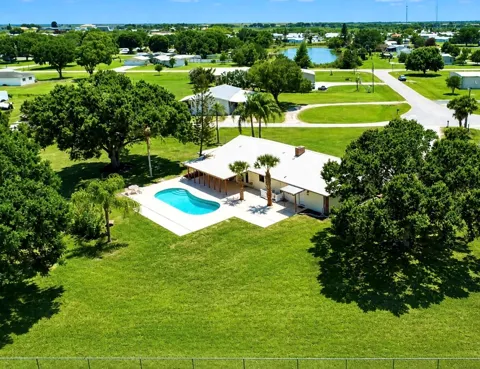
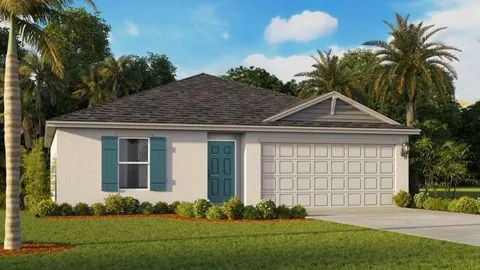
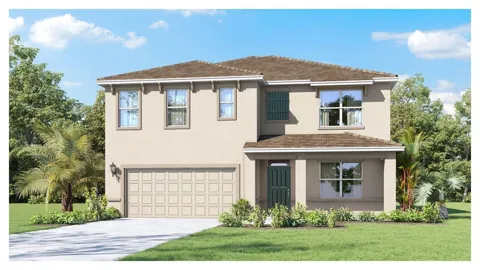
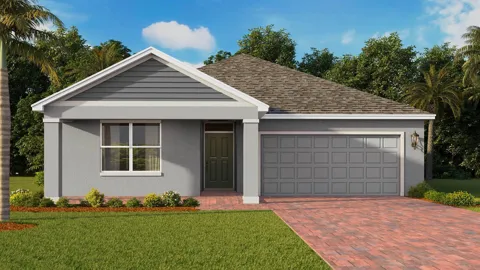
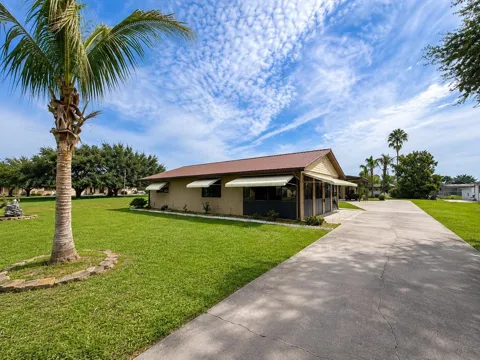
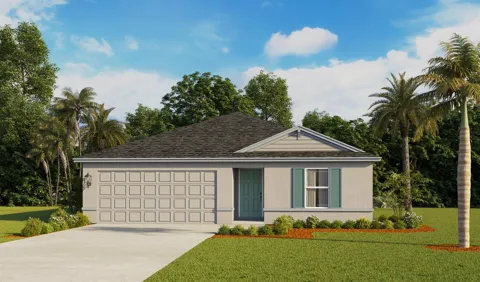
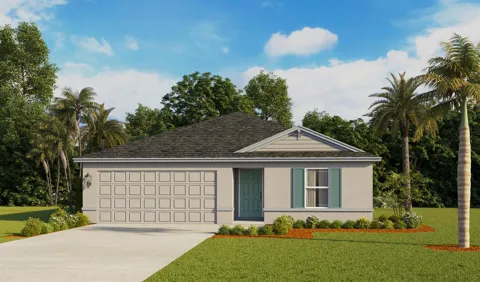
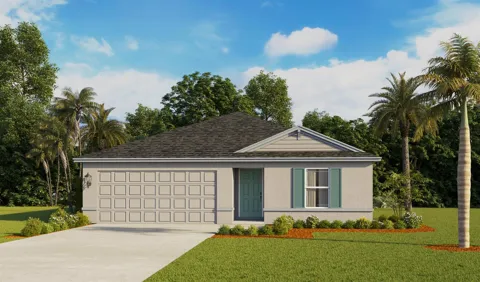
Okeechobee's housing stock is typical of a small Florida county seat. The city core offers a mix of older single-family homes and mid-century residences on modest lots, while the outskirts give way to larger rural acreage, ranch properties, and manufactured homes. Housing is generally more affordable than in Florida's coastal metros, reflecting the inland, rural setting. Buyers drawn to Okeechobee often seek lake access, land, or a lower-cost rural lifestyle. Newer subdivisions have added some conventional single-family construction, but the market remains dominated by established homes and acreage. For those who prioritize fishing, hunting, and space over urban amenities, Okeechobee offers a distinctive and economical option in south-central Florida.
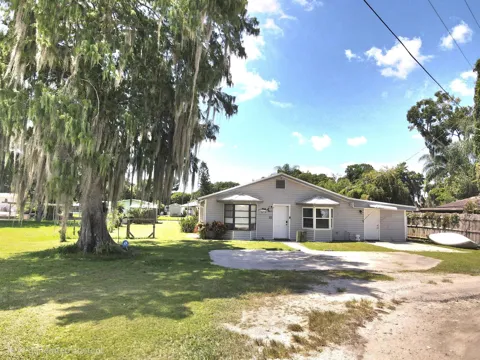
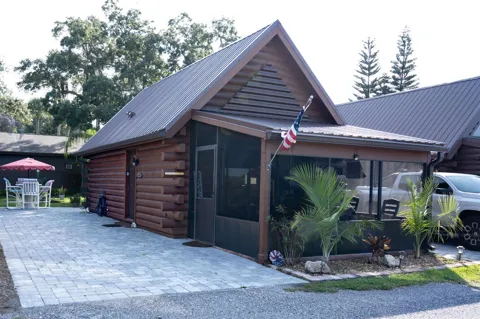
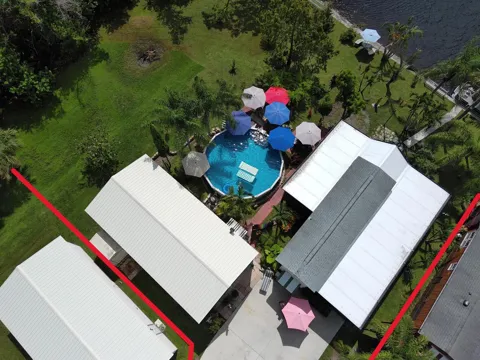
Okeechobee's residential areas are built around a compact downtown near the lake's north shore. The city grid contains established older neighborhoods with a traditional small-town feel, while the surrounding county transitions quickly into ranchland, citrus groves, and rural acreage with scattered homes and large lots. Rather than large master-planned communities, Okeechobee is characterized by its lakeside fish camps, waterfront lots along canals, and rural properties that appeal to boaters, anglers, and ranchers. This mix gives the city a laid-back, unpretentious character, where homes range from in-town bungalows to country properties with room for livestock, boats, and equipment.
Life in Okeechobee is shaped by the lake and the surrounding ranchland. Fishing is the central pastime, from bass tournaments on Lake Okeechobee to quiet pier fishing and airboat charters into the lake's grassy coves. The city has a genuine small-town, rural Florida character, with a strong sense of community built around fishing, cattle ranching, and agriculture. Local events, fishing derbies, and rodeo traditions reflect the area's heritage, while the lake's wildlife — birds, manatees, and alligators — keeps nature close at hand. Residents enjoy a slower pace and lower-key lifestyle than Florida's coastal cities, with the trade-off being distance from larger urban amenities. Okeechobee suits anglers, outdoor enthusiasts, and those seeking an affordable, close-knit rural community.
Okeechobee is served by Okeechobee County Schools, the public district that operates schools across the county from its headquarters in the city. The district provides education from elementary through high school, serving the city and surrounding rural communities with a full range of academic, athletic, and extracurricular programs. As a small county district, Okeechobee County Schools offers a close-knit educational environment where schools are central to community life. Families also have access to private schooling options and, for higher education, institutions in the broader south-central Florida region within commuting distance. The district's scale and community focus are part of Okeechobee's small-town appeal.
Okeechobee sits at the junction of U.S. 441 and State Road 70, two major routes through south-central Florida. U.S. 441 runs north-south, connecting the city toward Kissimmee and the Orlando area to the north and toward the Lake Okeechobee shoreline communities and Palm Beach County to the south. State Road 70 runs east-west, linking Okeechobee to Fort Pierce on the Atlantic coast and Arcadia to the west. The Okeechobee Waterway provides a navigable cross-state channel from Fort Myers on the Gulf coast to Stuart on the east coast. The city lies roughly 60 miles from West Palm Beach, with the larger Orlando and Treasure Coast metros within a drive of one to two hours. Okeechobee's inland location means residents trade coastal proximity for open space and lake access.
Lake Okeechobee is the center of recreation in the area, celebrated for its largemouth bass and speckled perch fishing. Anglers fish from piers, boats, and airboats, with guides and fish camps providing access to the lake's grassy coves and channels. The Lake Okeechobee Scenic Trail, part of the Florida National Scenic Trail, runs along the Herbert Hoover Dike for walking and cycling with open-water views. The Okeechobee Waterway supports boating across the state, while the lake's wildlife — wading birds, manatees, alligators, and wild hogs — draws nature enthusiasts. Surrounding ranchland offers hunting and rural outdoor pursuits, and the county hosts fishing tournaments and community events throughout the year. Okeechobee is a destination for anyone whose recreation centers on water, wildlife, and the outdoors.
MARKET SNAPSHOT
How homes have been selling here over the last 90 days.
Market data reflects closed sales over the last 90 days and is provided for informational purposes.
BROWSE BY ZIP
Browse listings by postal code in this area.