Soldier City on East Lake Toho
Welcome to St. Cloud, the historic Soldier City on the southern shore of East Lake Tohopekaliga, blending a walkable downtown with newer lake-oriented communities.
St. Cloud is a city in northern Osceola County, Florida, set on the southern shore of East Lake Tohopekaliga in Central Florida, about 26 miles southeast of Orlando. It was founded in 1909 as a community for Union veterans of the Civil War, and the city still carries the nickname "the Soldier City" in recognition of that origin. Downtown St. Cloud preserves a historic, small-town main-street character, with landmark early-20th-century buildings and a cluster of local shops and restaurants. The city has grown well beyond its original core. The 2020 census counted roughly 59,000 residents, and ongoing development has added master-planned communities on the city's edges. St. Cloud blends old-Florida character with newer subdivisions — historic streets near East Lake Toho sit alongside planned communities built around lakes, parks, and community amenities. East Lake Tohopekaliga, often called East Lake Toho, is the defining natural feature. Lakefront Park anchors the shoreline with a sand beach, marina, fishing pier, splash pad, playground, and miles of paved trails along the water. The lake is a year-round draw for boating, fishing, and shoreline walks, and it gives much of the city a distinctly waterfront orientation. St. Cloud's location gives residents access to the wider Orlando region. Florida's Turnpike, State Road 417, Narcoossee Road, and U.S. 192 link the city to Kissimmee, Orlando International Airport, and employment centers across Central Florida. Public schools are part of the School District of Osceola County, and Osceola Heritage Park, a regional events and sports venue, sits within the city. The result is a practical base for families and workers seeking a smaller-town, lake-centered pace within reach of Orlando's job market.
St. Cloud is in northern Osceola County, Florida, in the central part of the state. It sits about 26 miles southeast of Orlando on the southern shore of East Lake Tohopekaliga. Osceola County includes Kissimmee, its county seat, and is part of the greater Orlando metropolitan area.
St. Cloud was founded in 1909 as a community for Union veterans of the Civil War, and it still carries the nickname "the Soldier City" in recognition of that origin. The city's history is preserved in its downtown landmarks, historic markers, and a local museum documenting the veterans who helped establish the town.
St. Cloud sits on the southern shore of East Lake Tohopekaliga, commonly called East Lake Toho. The lake is a focal point for the city, with Lakefront Park offering a beach, marina, fishing pier, boat ramp, and miles of paved trails along the shoreline. It is a popular destination for boating and fishing.
St. Cloud is about 26 miles southeast of Orlando. Florida's Turnpike, State Road 417, Narcoossee Road, and U.S. 192 connect the city to Kissimmee, Orlando International Airport, and employment centers across Central Florida, making it a practical base for commuters to the Orlando area.
St. Cloud is served by the School District of Osceola County. District campuses in the city include St. Cloud High School, St. Cloud Middle School, and St. Cloud Elementary School, among others. The district offers school-choice programs, and attendance zones vary by neighborhood as the city continues to grow.
St. Cloud had a population of roughly 59,000 in the 2020 U.S. Census, up from about 35,000 in 2010. The city has grown substantially as new master-planned communities have developed on its edges, while retaining its historic downtown and lakefront core.
City Guide
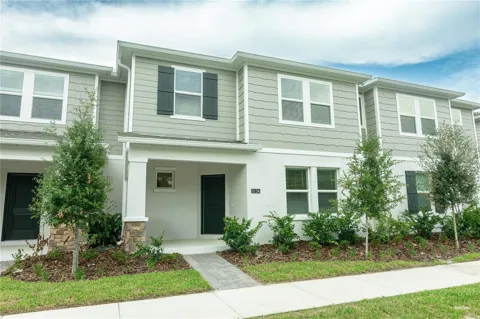
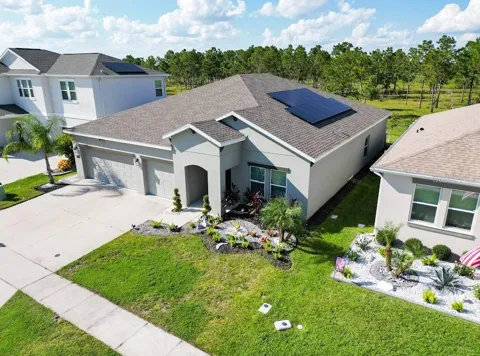
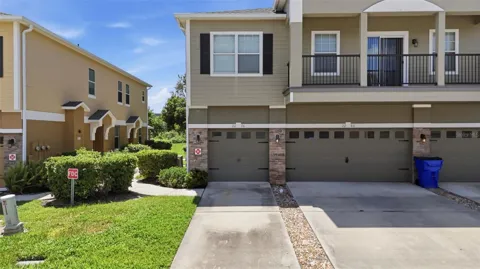
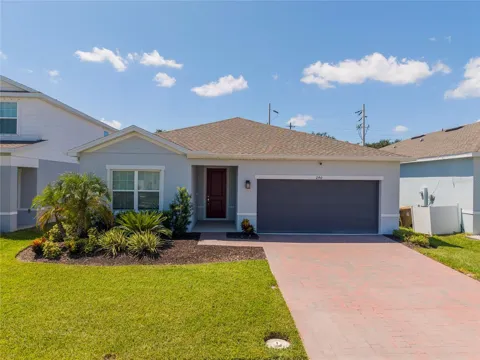
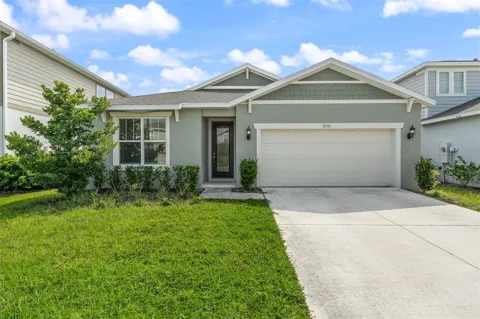
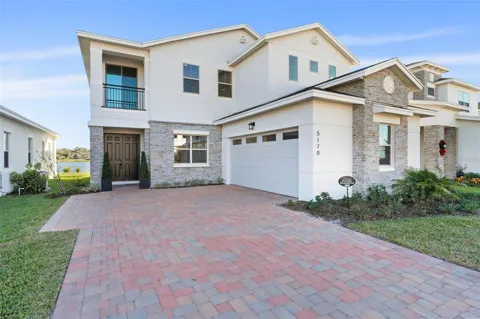
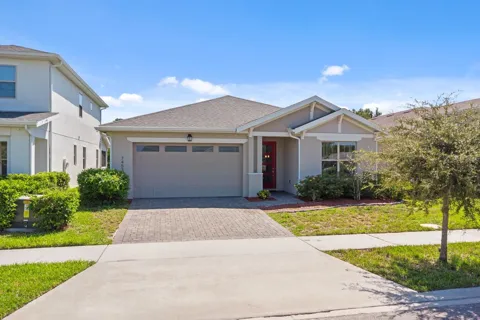
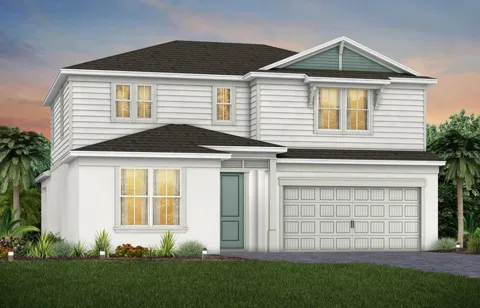
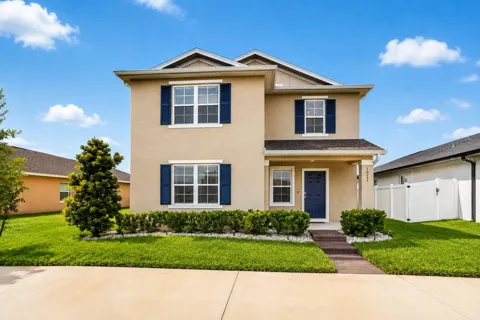
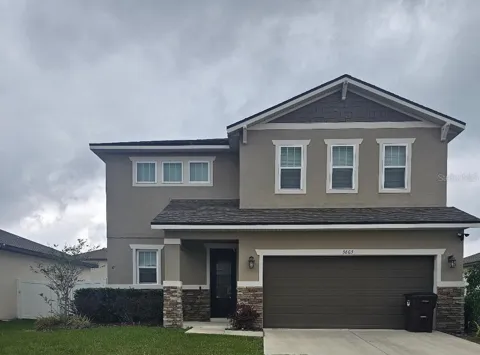
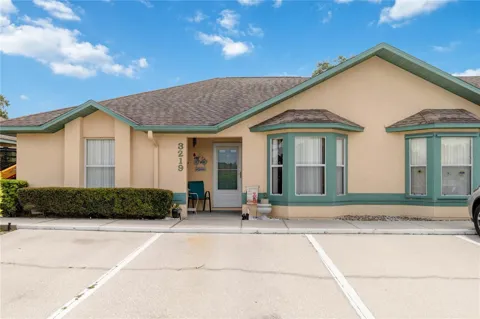
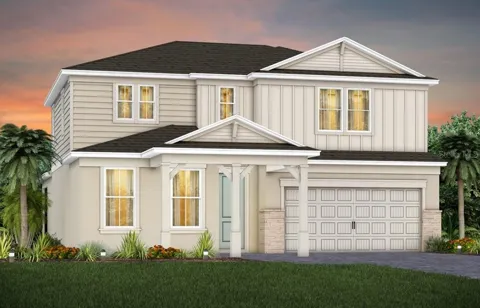
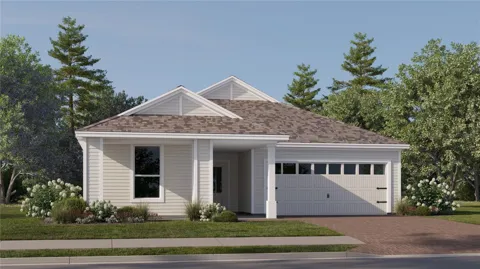
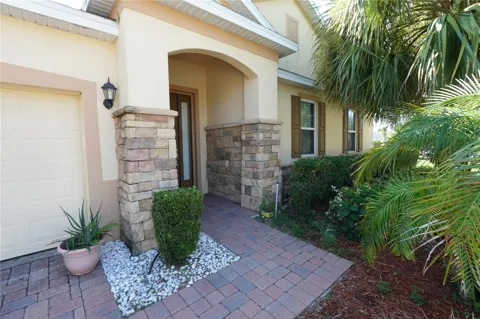
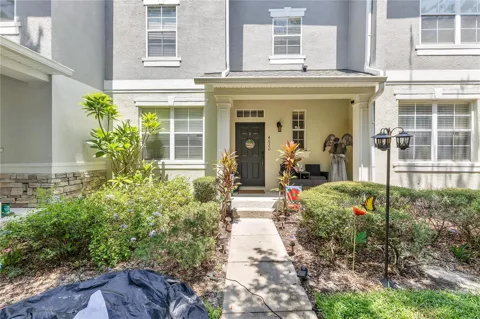
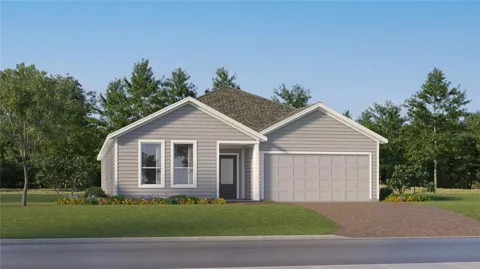
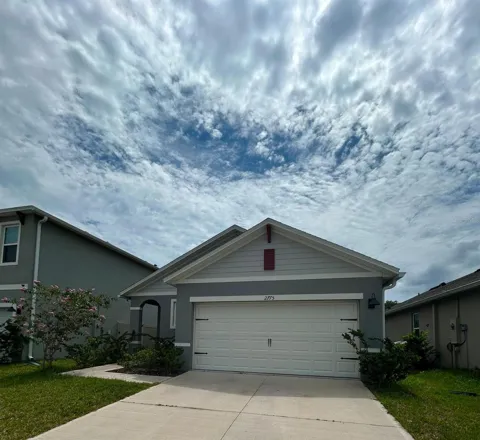
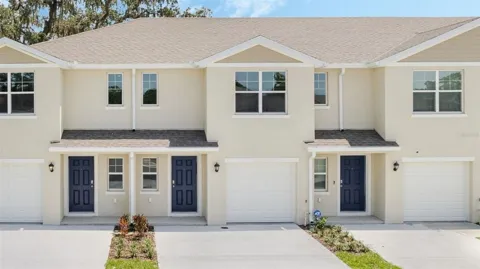
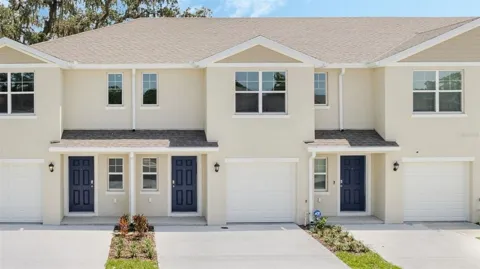
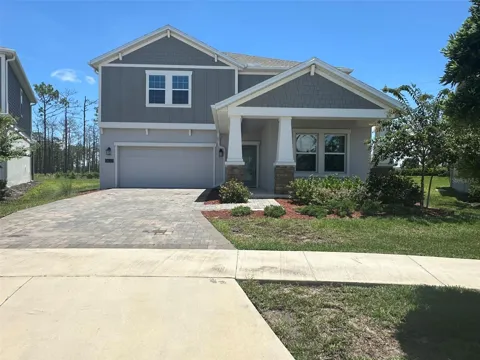
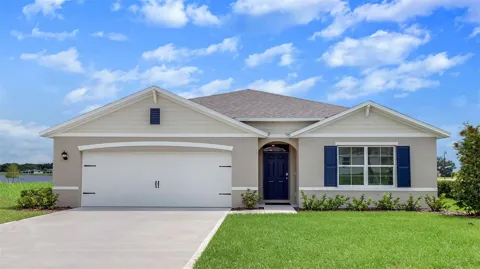
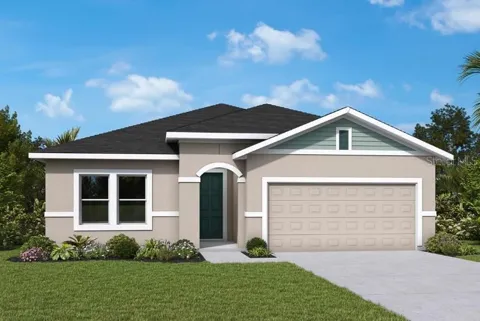
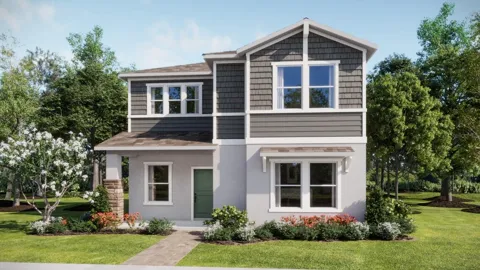
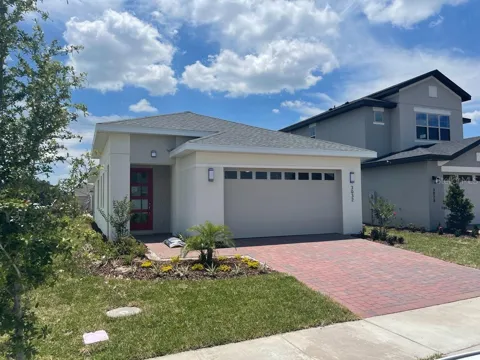
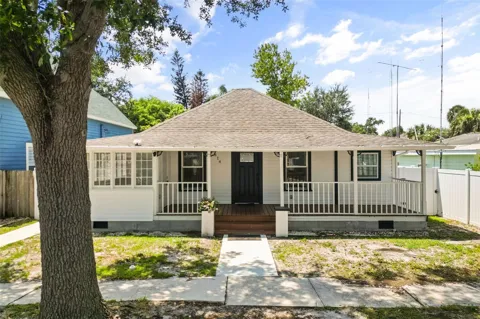
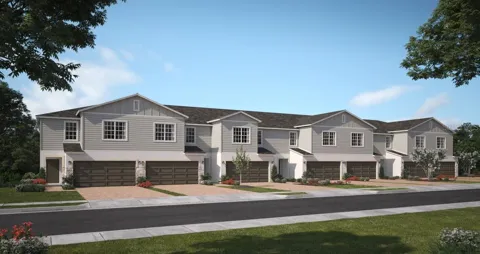
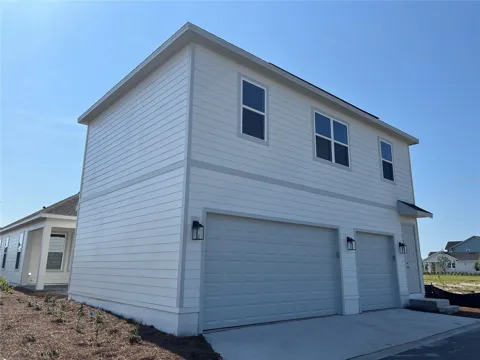
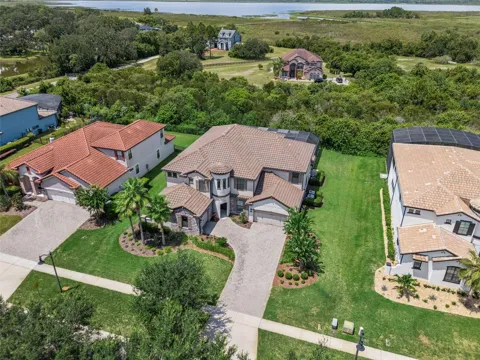
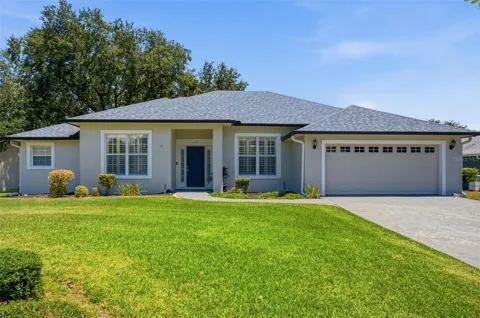
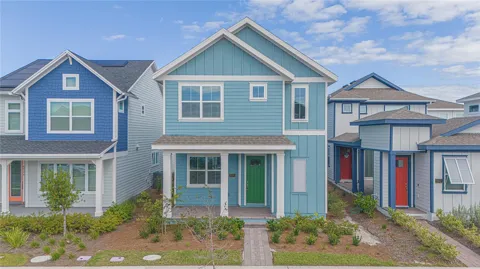
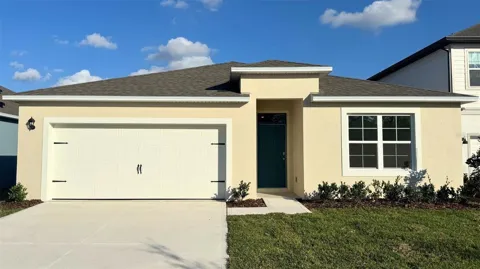
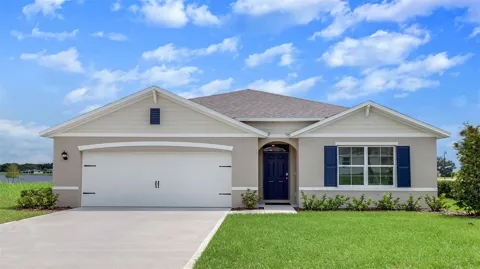
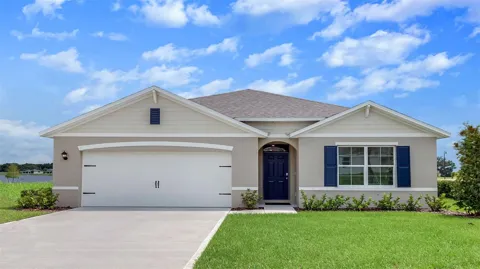
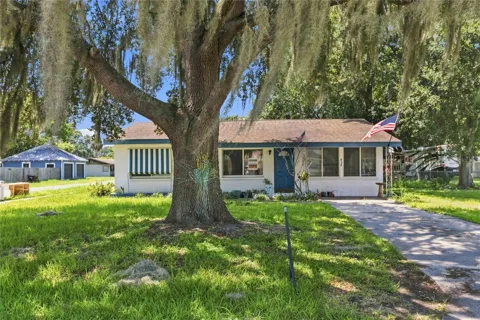
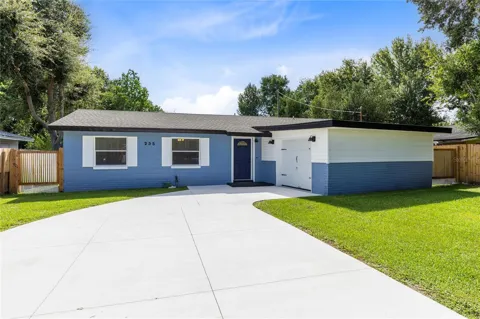
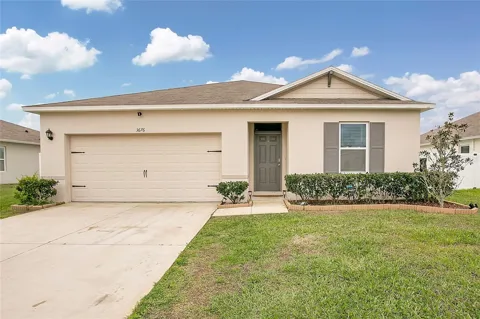
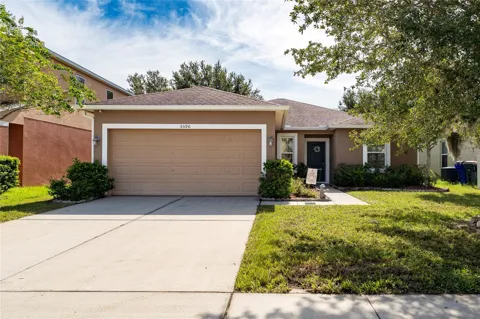
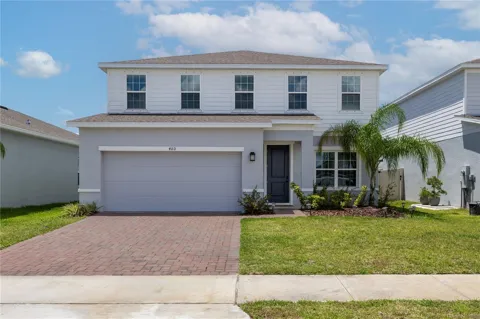
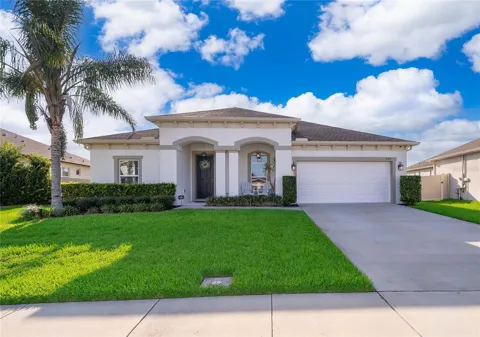
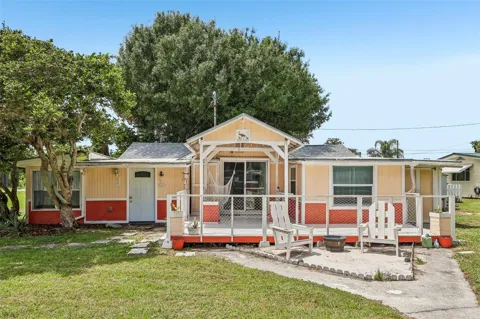
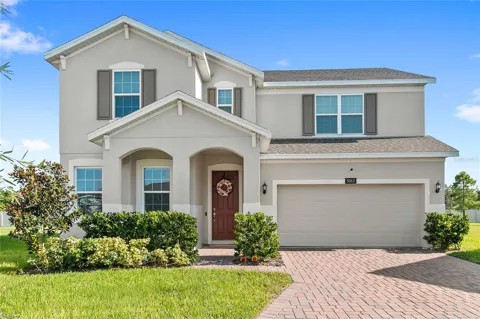
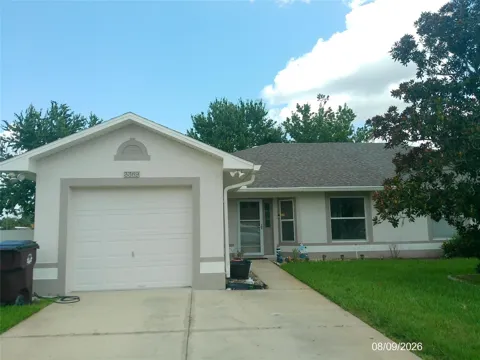
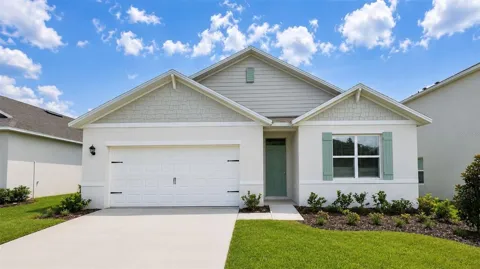
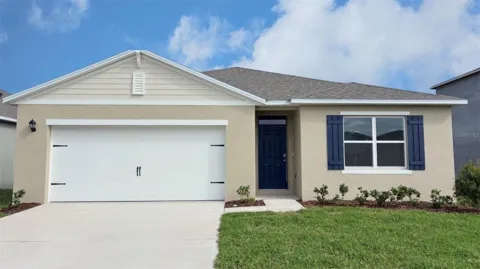
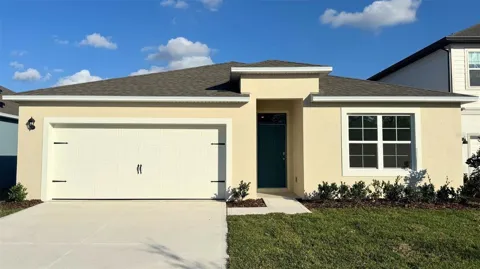
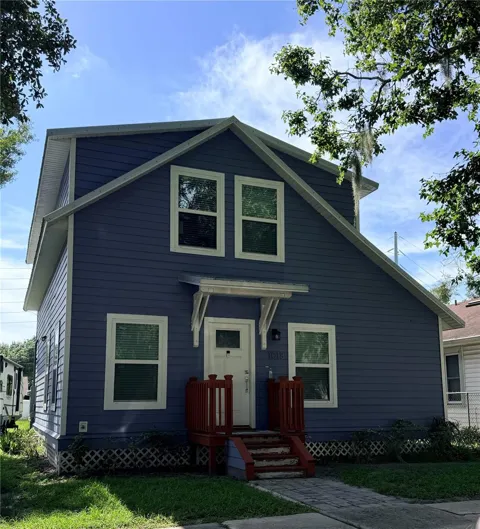
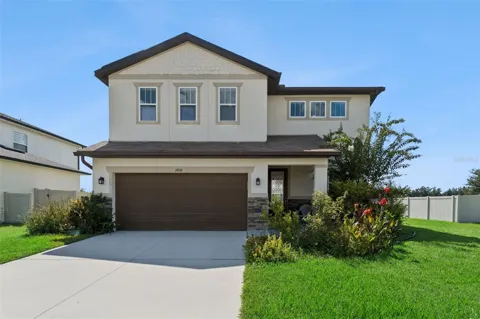
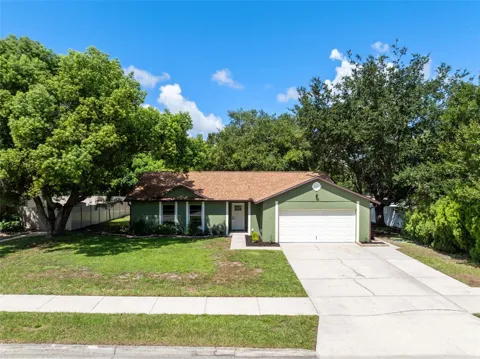
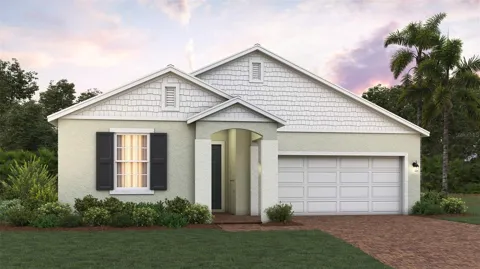
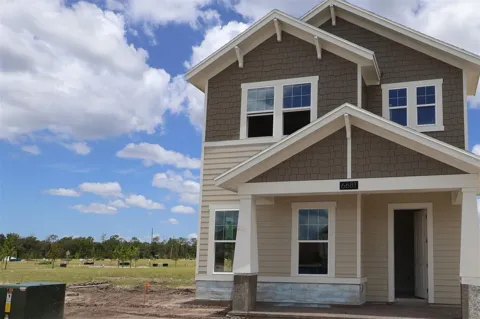
St. Cloud's housing stock spans a broad range of eras and styles. Older neighborhoods near downtown and along the lake include mid-century and traditional single-family homes, many with lake views or water proximity. The city's continued growth has added master-planned communities on its edges, including Canoe Creek, Twin Lakes, Buena Lago, Live Oak Lake, Cross Prairie, and Tohoqua, which offer newer construction often built around community pools, playgrounds, and lake-oriented amenities. This range means buyers can compare established lakefront homes, modest in-town houses, and new-build subdivisions across the city, with the lakefront area and the newer planned communities representing distinct segments of the local market.
The historic downtown district is St. Cloud's centerpiece, with its Main Street storefronts and early-20th-century buildings near the lake. Immediately around it, established neighborhoods offer a mix of older and traditional single-family homes within walking distance of Lakefront Park. Canoe Creek, on the city's eastern edge, is known for waterfront and traditional homes near East Lake Tohopekaliga. Newer master-planned communities — including Twin Lakes, Buena Lago, Live Oak Lake, Cross Prairie, and Tohoqua — have extended the city outward with amenity-rich subdivisions oriented around lakes and parks, giving home shoppers a clear contrast between St. Cloud's historic center and its newer growth areas.
St. Cloud's lifestyle centers on its lake and its historic downtown. Main Street hosts family-owned shops and restaurants, a biweekly farmers' market, and community gatherings, while food-truck events and lakefront activities give the city a laid-back, family-friendly rhythm. Residents describe the community as a blend of old-Florida charm and new planned development, with a strong sense of local identity that sets it apart from its larger neighbors. Osceola Heritage Park brings regional events and sports to town, and the proximity of Kissimmee and Orlando keeps theme parks, dining, and entertainment within easy reach, so residents can enjoy a quieter home base without sacrificing access to Central Florida's amenities.
Public education in St. Cloud is provided by the School District of Osceola County. The district operates campuses throughout the city, including St. Cloud High School, St. Cloud Middle School, and St. Cloud Elementary School, along with additional schools serving the city's growing neighborhoods. The district offers school-choice programs for families. Because St. Cloud has expanded significantly, attendance zones and school assignments vary by neighborhood, so relocating families typically check the district's boundaries for the specific community they are considering. The broader St. Cloud area is served by dozens of public schools as development continues across Osceola County.
St. Cloud sits about 26 miles southeast of Orlando, connected to the region by Florida's Turnpike, State Road 417, Narcoossee Road, and U.S. 192. These corridors give commuters routes to Kissimmee, Orlando International Airport, and employment centers across Central Florida. During peak periods, Narcoossee Road and the Turnpike can see heavy traffic, a common consideration for commuters weighing a move to the area. The city itself is largely car-dependent, with a street network that radiates from the historic downtown and lakefront. Regional travel is straightforward, with Orlando's attractions and airport within a manageable drive for most residents.
East Lake Tohopekaliga is the heart of St. Cloud's recreation. Lakefront Park offers a sand beach, a marina with boat tie-outs, a fishing pier, a splash pad, playground, pavilions, a public boat ramp, and more than two miles of paved bike paths along the water. The lake supports boating, fishing, and paddling throughout the year. Osceola Heritage Park hosts regional events, sports, and entertainment. The city's trail system connects the lakefront to neighborhoods, and a collection of community parks provides playgrounds and green space across the city, reinforcing St. Cloud's outdoors-oriented, lake-centered lifestyle.
MARKET SNAPSHOT
How homes have been selling here over the last 90 days.
Market data reflects closed sales over the last 90 days and is provided for informational purposes.
BROWSE BY ZIP
Browse listings by postal code in this area.