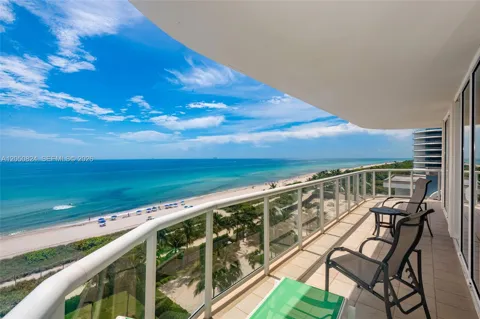
Walkable Beach Town in Miami-Dade
Welcome to Surfside, a walkable beachfront town on the Atlantic, set between Miami Beach's North Beach and Bal Harbour.
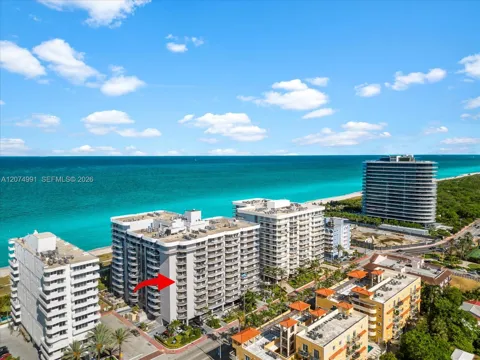
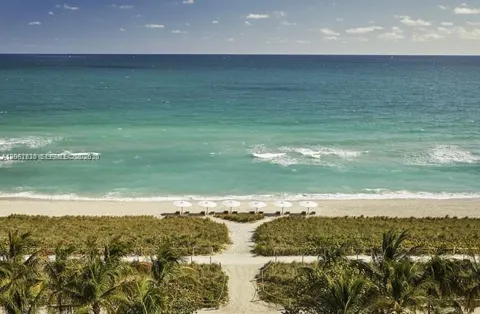
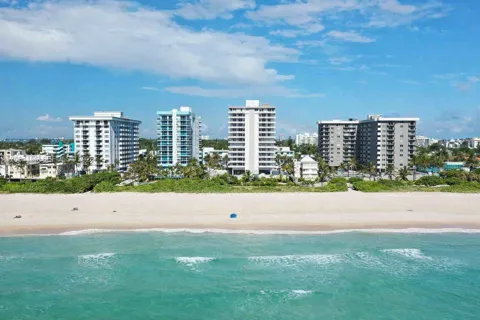
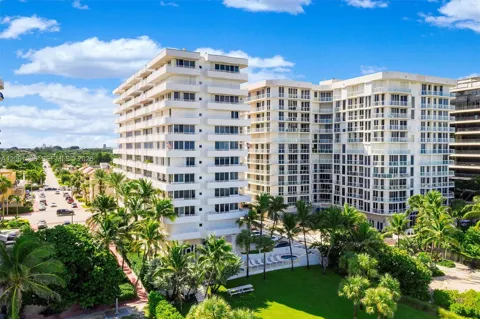
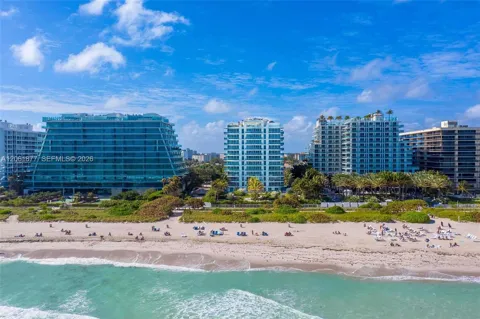
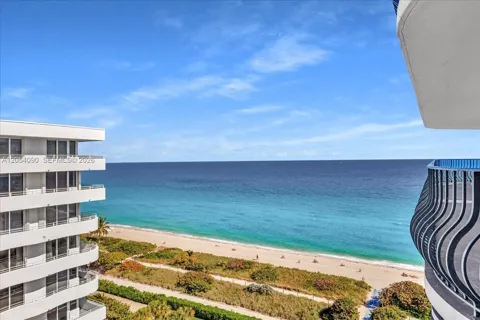
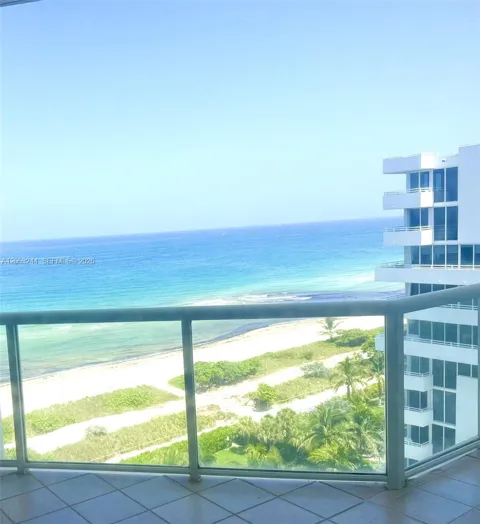
Surfside is a small incorporated town in Miami-Dade County, Florida, occupying roughly 361 acres on the barrier island between the Atlantic Ocean and Biscayne Bay. It sits north of Miami Beach's North Beach neighborhood and south of the village of Bal Harbour, making it one of the narrow, oceanfront municipalities that string along Collins Avenue. About 5,700 residents call the town home, most of them living in the multistory condominium and apartment buildings that line the beach. Despite its modest size, Surfside has a distinct civic identity, with its own local government, a walkable business district, and a long history as a fashionable oceanfront retreat. That history is anchored by the Surf Club, a private social club opened in 1930 and designed by architect Russell Pancoast. Built on Collins Avenue, it became a gathering place for entertainers, industrialists, and socialites through the middle of the 20th century, hosting gala dinners, poolside events, and celebrity guests. Today it survives as the Four Seasons Hotel and residences, preserving much of the original architecture while adding modern hotel and condominium uses. The club's legacy still colors the town's character, lending Surfside an air of old South Florida glamour tempered by a relaxed, family-friendly present. For residents, Surfside's appeal is its walkability and its calm. The beach is the centerpiece, backed by a compact commercial strip of restaurants, cafes, and shops, while Bal Harbour's luxury shopping and Miami Beach's cultural scene are both steps away. The population mixes full-time families, retirees, and seasonal owners, giving the town a stable, low-key feel year-round. It suits people who want oceanfront, condominium living in a small-town setting, with the conveniences and energy of greater Miami immediately accessible.
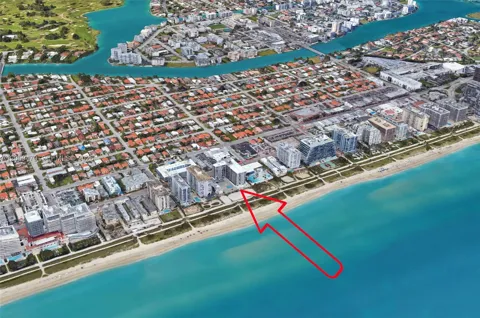
Surfside is in Miami-Dade County, Florida, on the barrier island between the Atlantic Ocean and Biscayne Bay. It is bordered to the south by the North Beach neighborhood of Miami Beach and to the north by the village of Bal Harbour.
Surfside is a separate incorporated town, not part of Miami Beach. It sits immediately north of Miami Beach's North Beach neighborhood and south of Bal Harbour, functioning as its own municipality with its own local government.
Surfside is best known as a compact, walkable beach town, and for the Surf Club, a historic social club opened in 1930 that now houses the Four Seasons Hotel and residences. Its condominium-lined beachfront and laid-back character distinguish it from busier Miami Beach.
Public school students in Surfside attend Miami-Dade County Public Schools, one of the largest districts in the country. Nearby schools include Bay Harbor Elementary, Nautilus Middle School, the Ruth K. Broad K-8 Center, and Miami Beach Senior High.
Surfside covers roughly 361 acres, making it one of the smaller municipalities in Miami-Dade County. Its population is about 5,700 residents, and the town is known for being highly walkable, with Collins Avenue running through its center.
City Guide
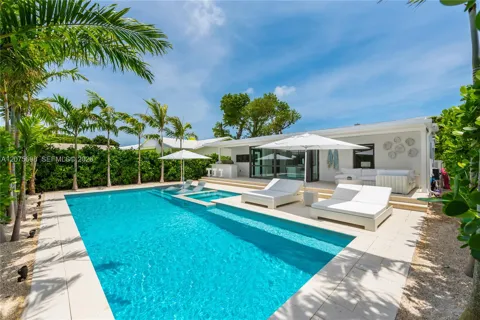
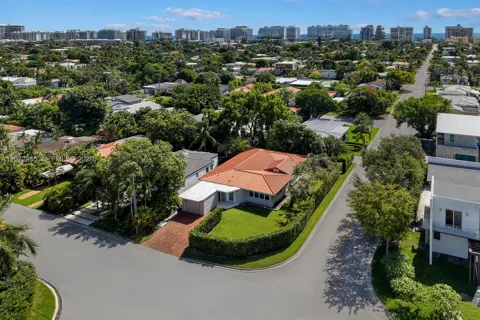
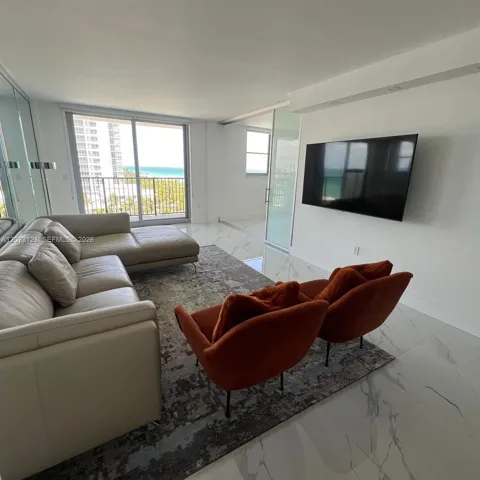
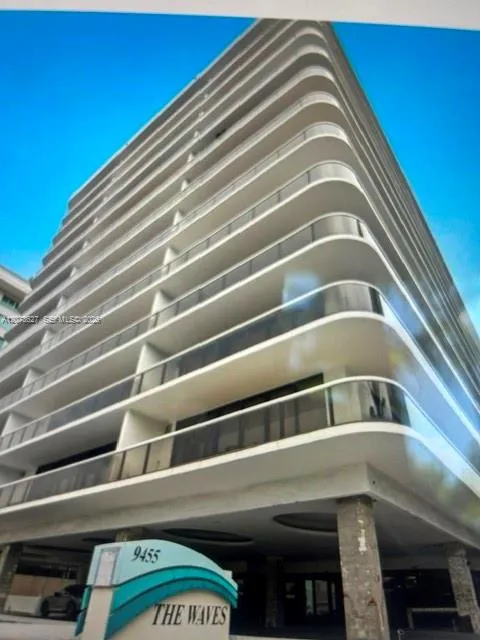
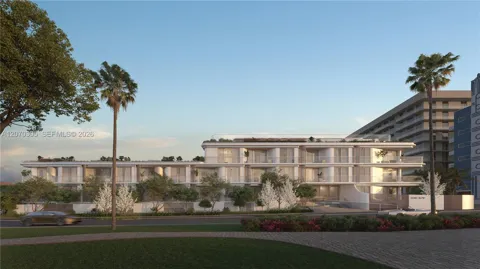
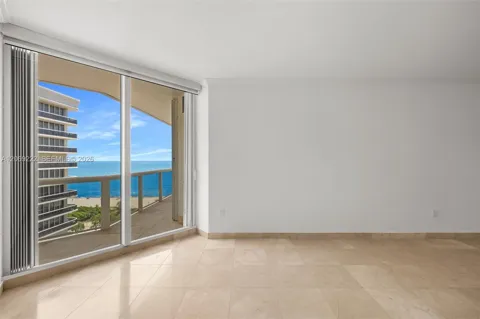
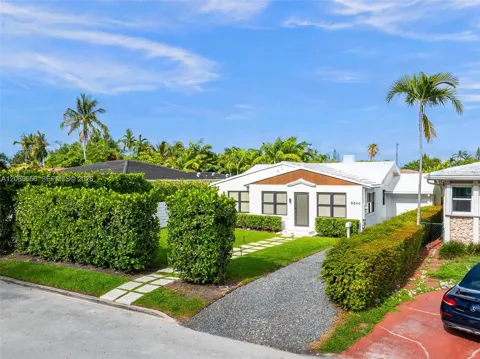
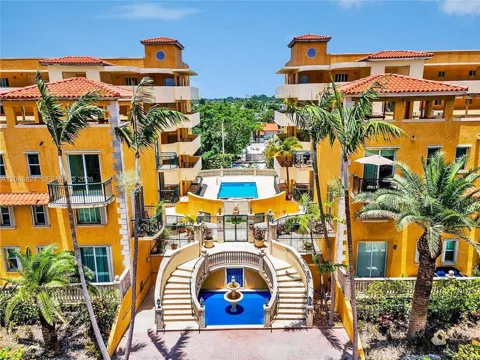
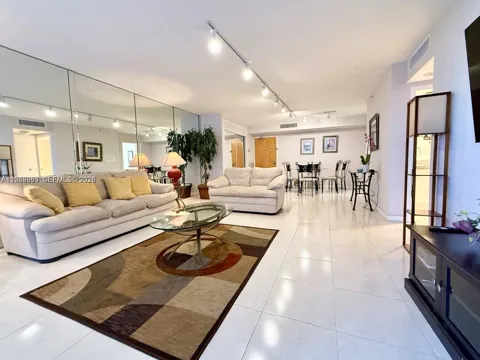
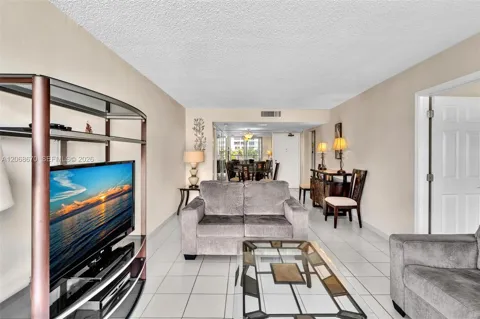
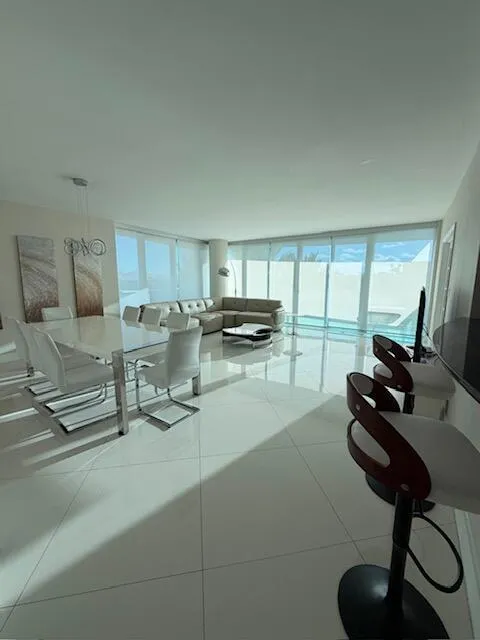
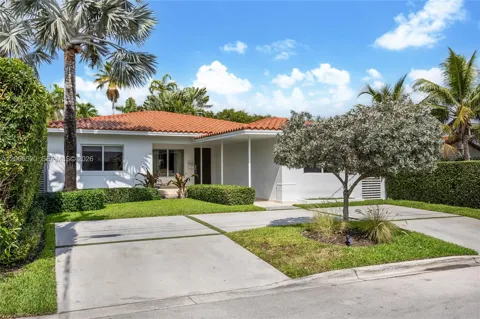
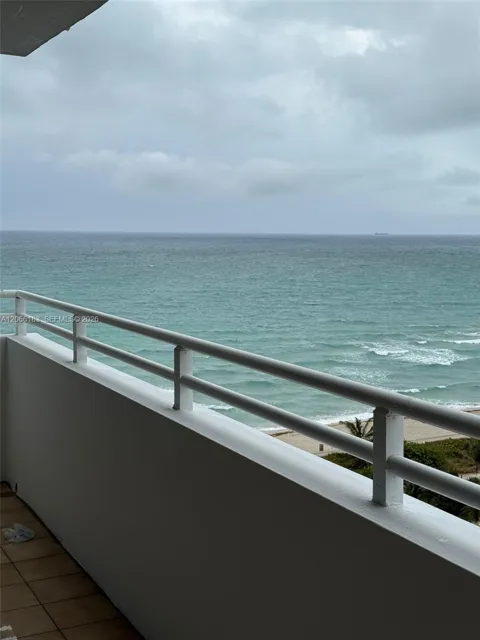
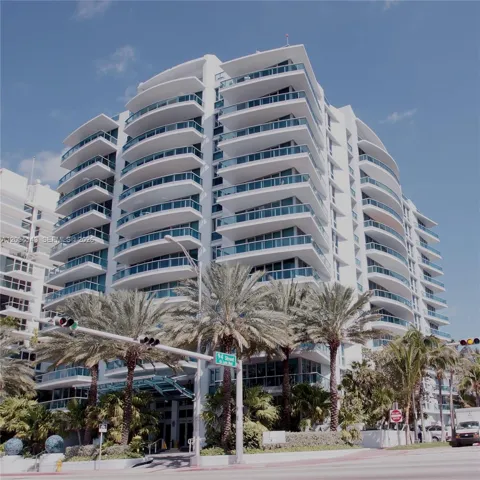
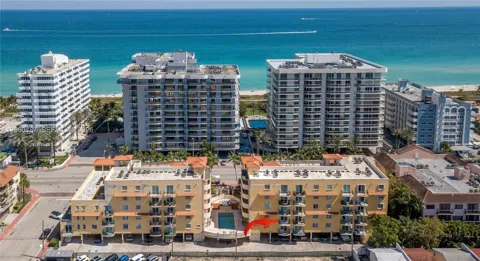
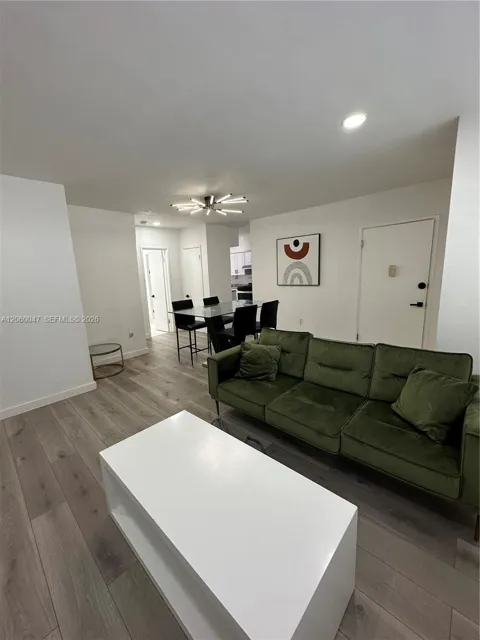
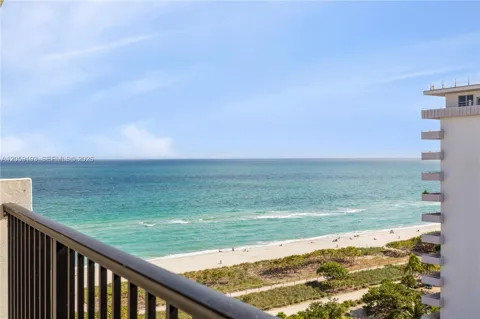
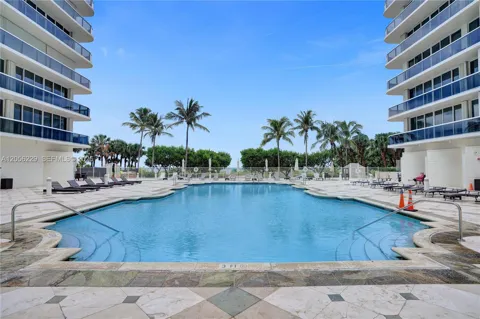
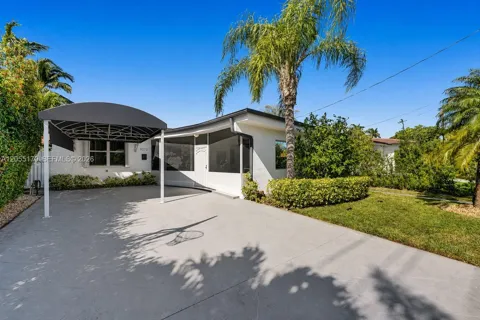
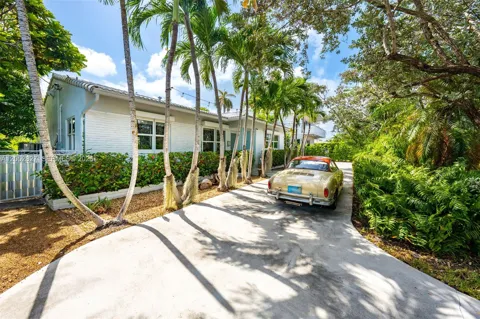
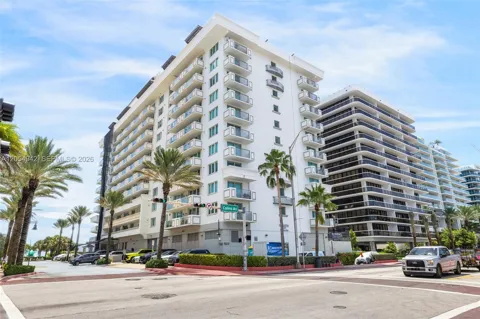
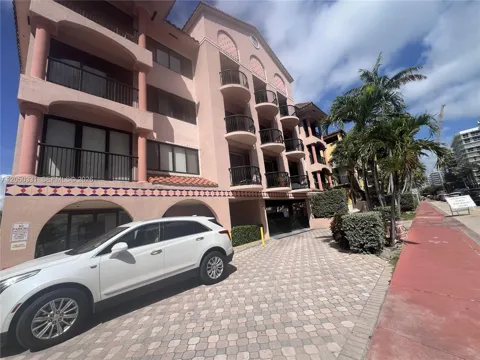
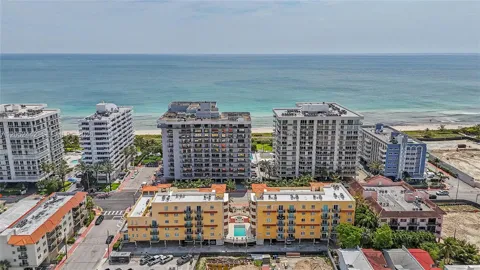
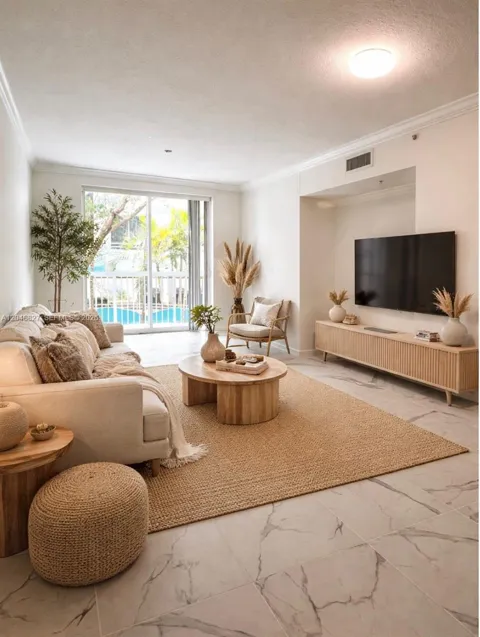
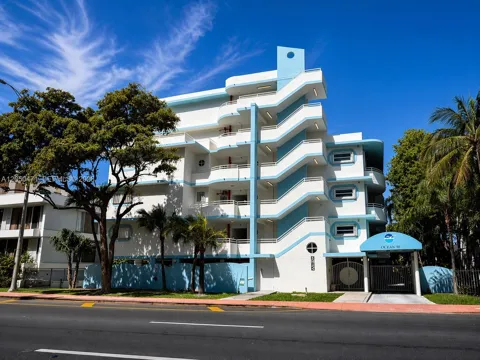
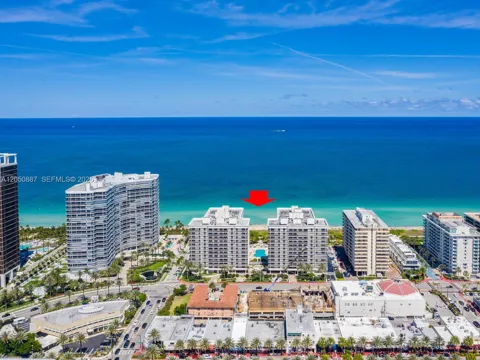
Surfside's housing stock is defined by its geography and its small footprint. With only about 361 acres, the town is built primarily upward, dominated by multistory condominium and apartment buildings, many fronting the Atlantic. The inventory mixes mid-century beachfront condos with newer luxury towers and hotel-branded residences, reflecting the town's evolution from a 1930s resort enclave into a modern oceanfront community. Single-family homes are scarce compared with the broader Miami area, so the market is overwhelmingly oriented toward condominium living. Buyers are typically drawn by direct beach access, walkability, and the prestige of a South Florida oceanfront address rather than by yard space or suburban scale.
Surfside is small enough that it functions almost as a single neighborhood, organized around Collins Avenue and the beachfront. The residential core sits between the ocean and the town's compact commercial district, with condominium buildings stepping down from the shoreline. To the south, the town blends into Miami Beach's North Beach neighborhood, while to the north it meets Bal Harbour, whose high-end shopping district is just across the municipal line. This positioning means Surfside residents enjoy a self-contained, walkable center while sitting between two of the region's best-known communities, sharing their amenities without surrendering the town's smaller, more residential character.
Surfside offers a deliberately quieter take on South Florida beach living. Where Miami Beach can feel busy and tourist-driven, Surfside reads as a low-key residential town with a compact business district of shops, restaurants, and cafes along Collins Avenue. The town is highly walkable, and its public beach, community center, and small commercial core put daily amenities within strolling distance. Residents skew toward families, retirees, and seasonal owners, many living in the condominium buildings that line the beach. Upscale shopping and dining are minutes away in Bal Harbour, while the broader energy of Miami Beach sits directly to the south, giving Surfside the balance of a calm home base next to major destinations.
Surfside students attend Miami-Dade County Public Schools, one of the largest school districts in the United States. Local options serving the area include Bay Harbor Elementary, Nautilus Middle School, and the Ruth K. Broad K-8 Center, with Miami Beach Senior High serving older students. The district's scale gives families access to a wide range of magnet, charter, and specialized programs across the county. Because Surfside is a compact town, most schools are a short drive away, and families benefit from being part of a large, well-resourced system while living in a small beachfront community.
Surfside is threaded by Collins Avenue, the historic oceanfront corridor that runs the length of the barrier island and connects the town to Bal Harbour and Miami Beach. State Road A1A follows this route, providing the main north-south spine. Access to the mainland comes via the causeways that link Miami Beach to the city of Miami, with the 79th Street and other cross-bay bridges within a short drive. Miami International Airport lies across the bay, and the region's expressways open up the wider Miami-Fort Lauderdale area. As in most of South Florida, the car is the default mode, though Surfside's compact, walkable layout makes many daily errands possible on foot.
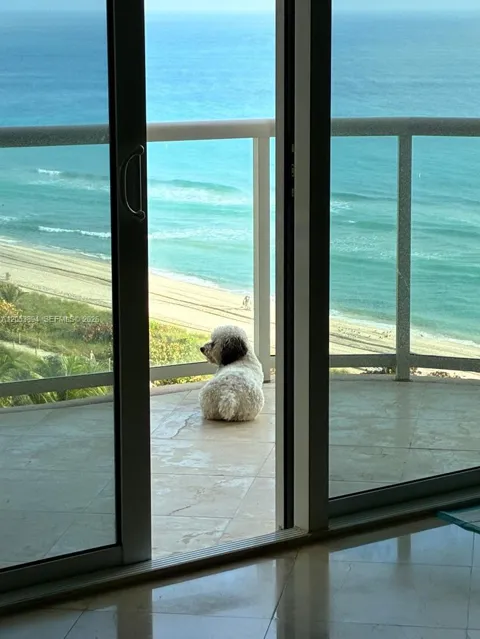
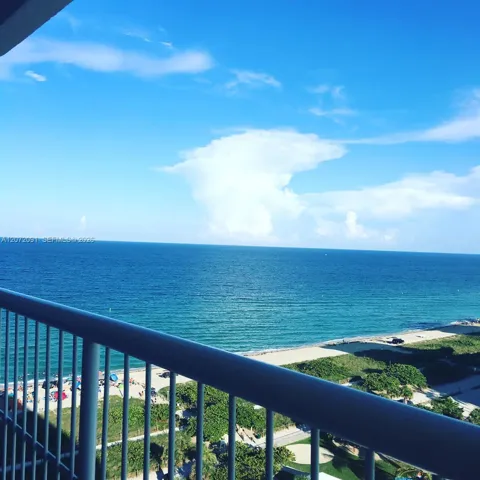
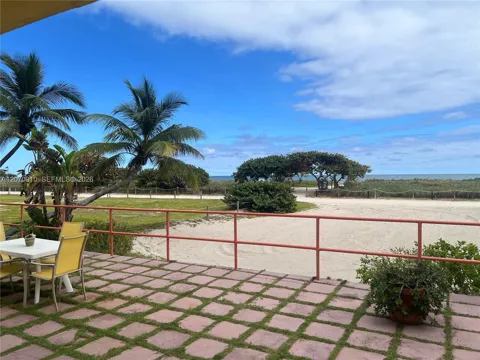
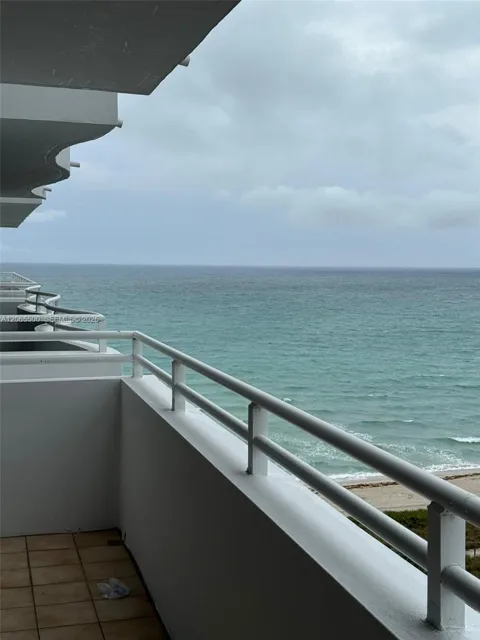
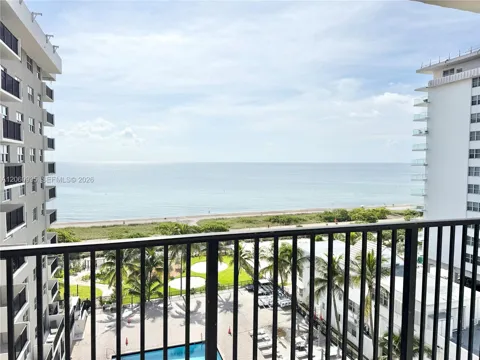
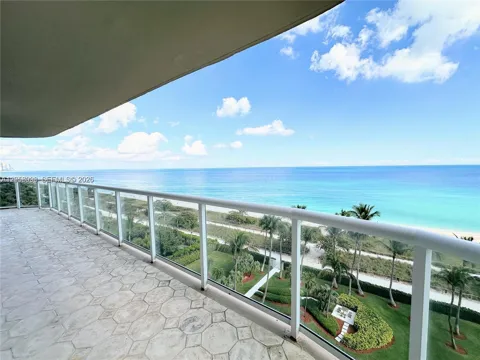
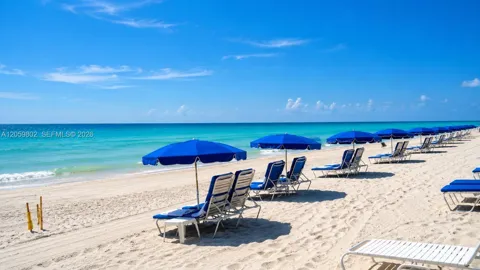
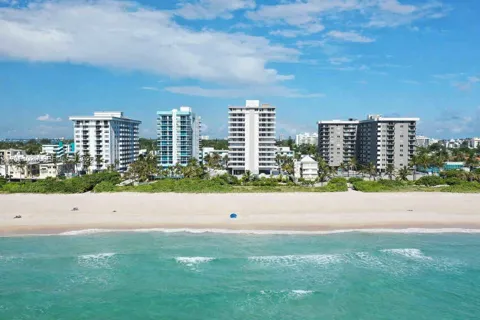
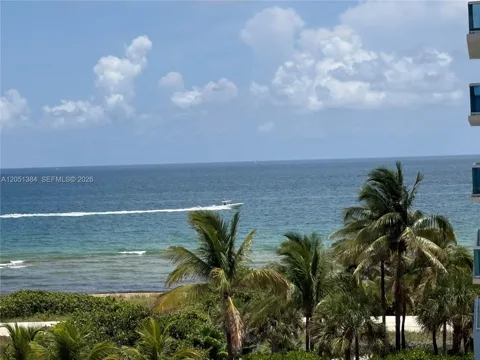
Recreation in Surfside begins with Surfside Beach, a wide stretch of Atlantic shoreline served by the town's public beach facilities and community center. The oceanfront supports swimming, sunbathing, and beach walking, while the town's walkable streets and small parks make everyday outdoor life easy. The Four Seasons at the Surf Club offers resort amenities within the historic 1930s club property. Beyond the town line, residents have immediate access to Bal Harbour's shops and the full recreational and cultural landscape of Miami Beach, including its boardwalk, parks, and dining. Surfside's recreation is thus compact and self-contained at home, with one of the country's major beach destinations as its backyard.
MARKET SNAPSHOT
How homes have been selling here over the last 90 days.
Market data reflects closed sales over the last 90 days and is provided for informational purposes.
EXPLORE COMMUNITIES
Browse the neighborhoods and subdivisions in this area.
BROWSE BY ZIP
Browse listings by postal code in this area.