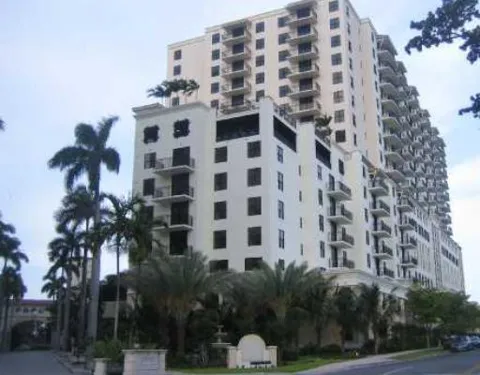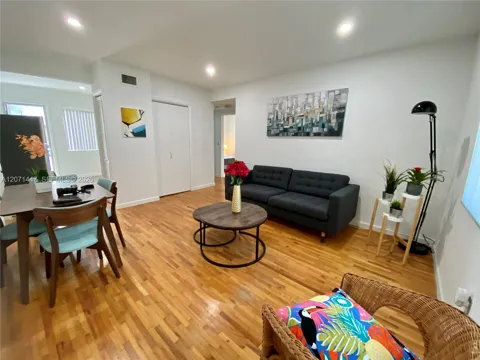
The City Beautiful
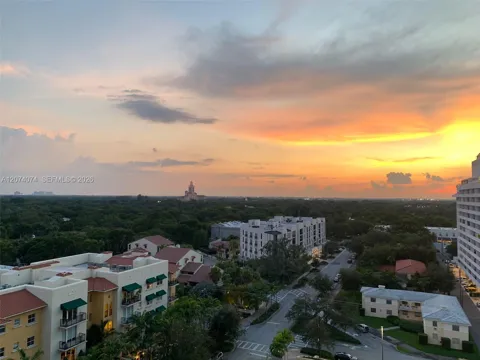
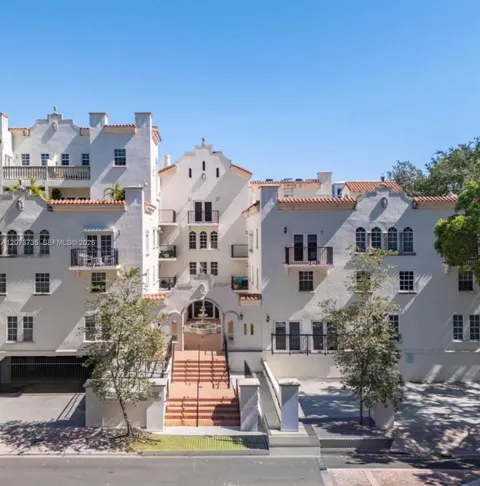
Welcome to Coral Gables, the George Merrick-planned City Beautiful of Mediterranean Revival architecture, seven miles southwest of downtown Miami.
Coral Gables is a city in Miami-Dade County, Florida, located about seven miles southwest of downtown Miami. With a population of 49,248 at the 2020 census, it is one of the most architecturally distinctive cities in South Florida and among the nation's best-known examples of early-20th-century planned-community design. Developer George Merrick began assembling land for the city in the early 1920s and incorporated Coral Gables on April 29, 1925, guided by the City Beautiful movement's ideals of order, greenery, and grand civic design. Merrick's vision shaped the city's enduring character. He built Coral Gables around Mediterranean Revival architecture, wide tree-lined avenues named for Spanish and Italian towns, and a network of plazas, fountains, and gateways. His builders produced themed residential villages in styles ranging from Italian and French Normandy to Chinese and Dutch South African, and the city's strict zoning has preserved much of that original design language for a century. The result is a cohesive, low-rise streetscape that feels distinct from the rest of Miami-Dade County. Coral Gables is also a major institutional and cultural center. The University of Miami's main campus anchors the city's south side, bringing students, faculty, and cultural venues such as the Lowe Art Museum. The Biltmore Hotel, a landmark of the 1920s boom era, remains one of the region's most recognizable buildings, and the downtown's Miracle Mile commercial corridor supports upscale retail, dining, and financial offices. Two unique attractions — the Venetian Pool, a spring-fed swimming pool built from a coral rock quarry in 1923, and the 83-acre Fairchild Tropical Botanic Garden — add to the city's national profile. The city's public schools, operated by Miami-Dade County Public Schools, are consistently strong, with nearly all campuses in and around the city holding A or B ratings. Coral Gables appeals to professionals, academics, and families seeking a stable, architecturally coherent community with excellent schools and a central location minutes from downtown Miami, Coconut Grove, and Miami International Airport.
Coral Gables is in Miami-Dade County, Florida, about seven miles southwest of downtown Miami. It is part of the Miami metropolitan area of South Florida, near Coconut Grove and Miami International Airport.
Coral Gables is served by Miami-Dade County Public Schools, one of the nation's largest districts. Nearly all of the public schools in and around the city hold A or B ratings, and several highly regarded magnet and choice programs operate nearby.
Coral Gables is home to the University of Miami, a major private research university whose campus anchors the city's south side. The university's Lowe Art Museum and athletics programs add to the city's cultural and community life.
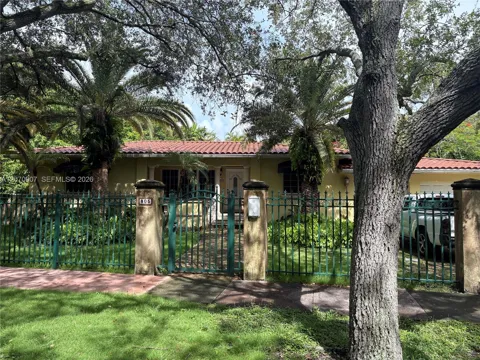
Coral Gables is known for its Mediterranean Revival architecture and its origins as a planned City Beautiful community designed by developer George Merrick in the 1920s. Landmarks include the Biltmore Hotel, the Venetian Pool, Fairchild Tropical Botanic Garden, and the Miracle Mile shopping district.
Coral Gables had a population of 49,248 at the 2020 census. It is a low-rise, single-family-home-oriented city with strict zoning, situated just a few miles from downtown Miami, Coconut Grove, and Miami International Airport.
City Guide
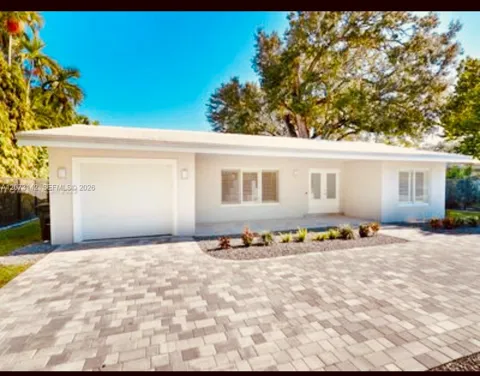
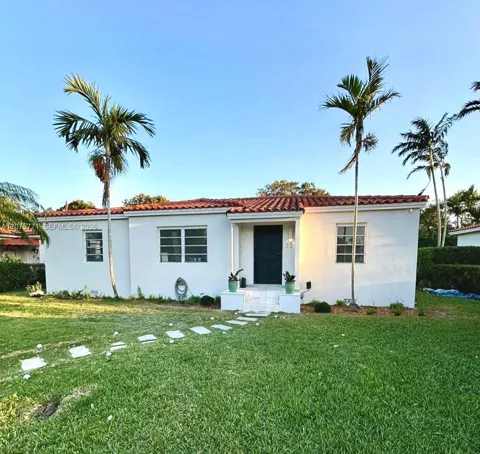
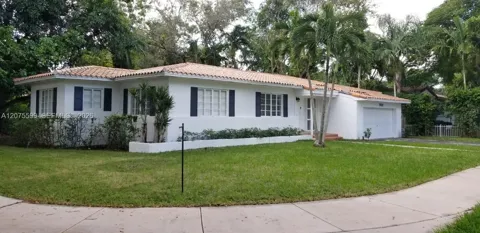
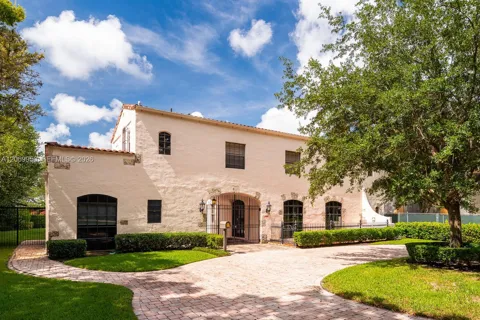
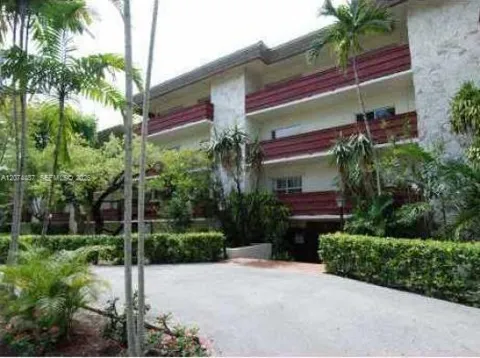
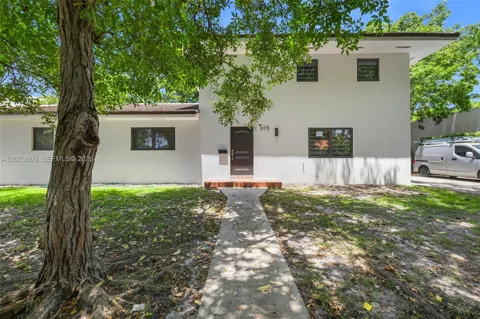
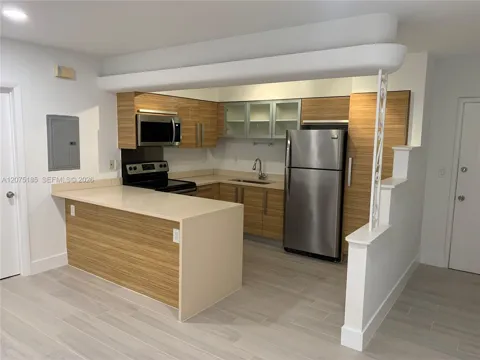
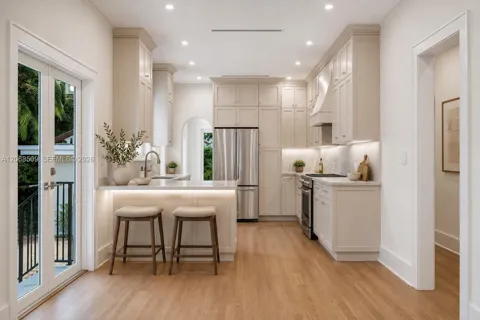
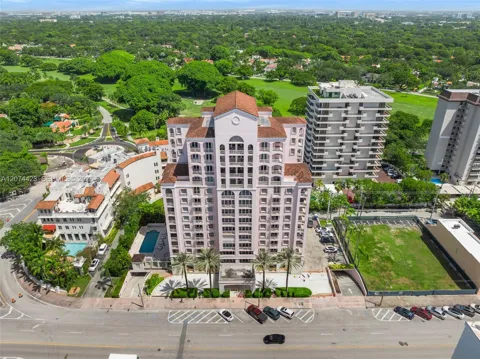
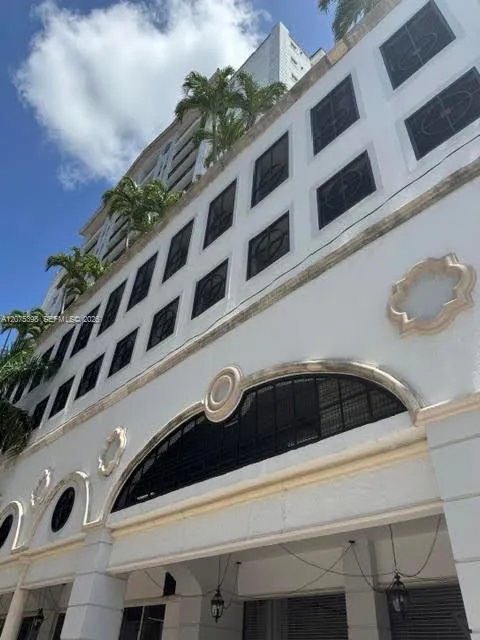
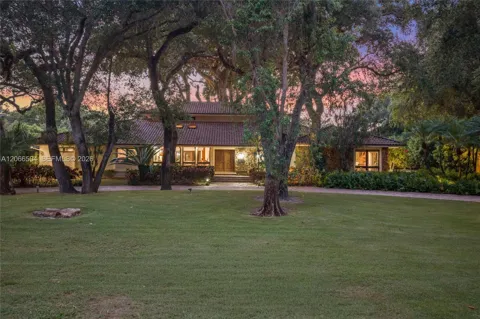
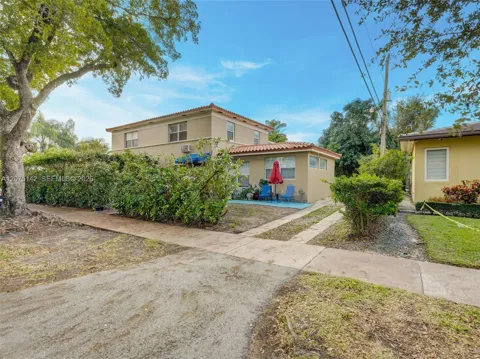
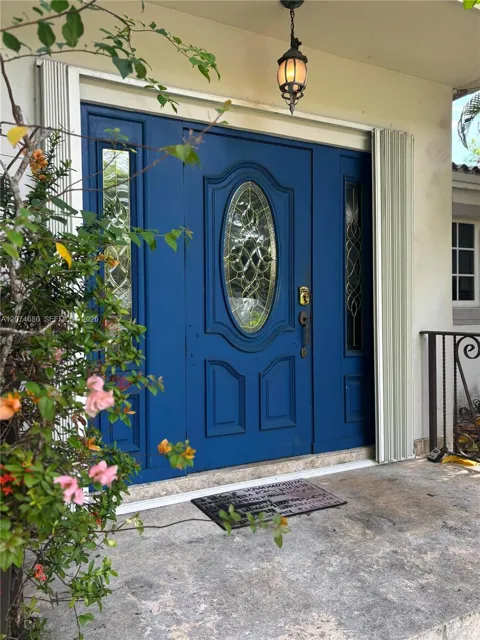
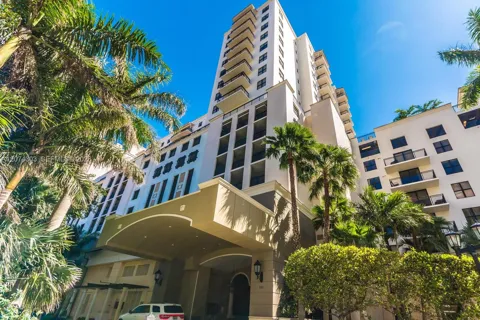
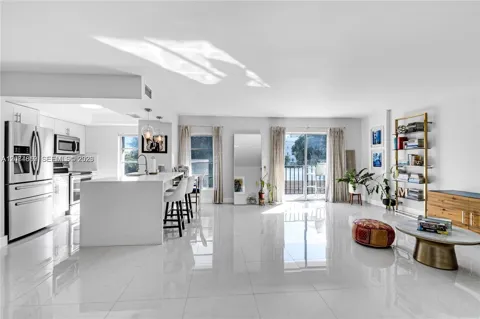
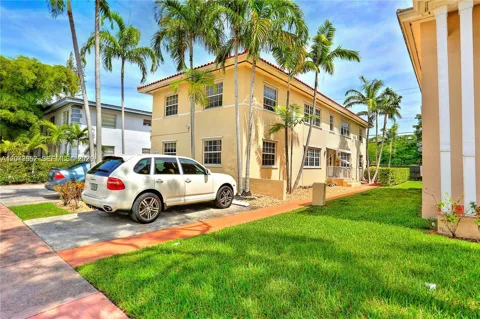
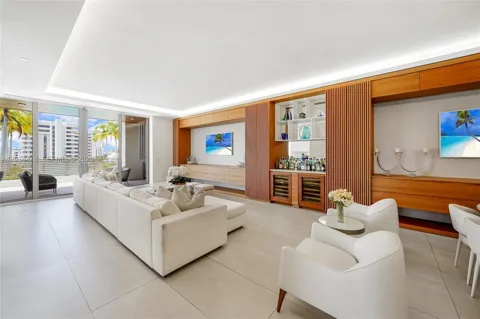
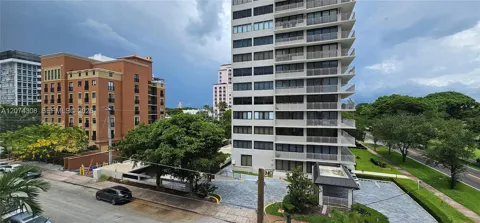
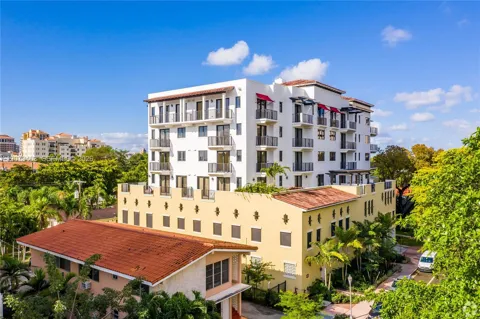
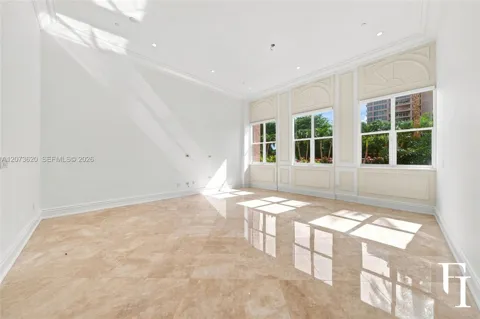
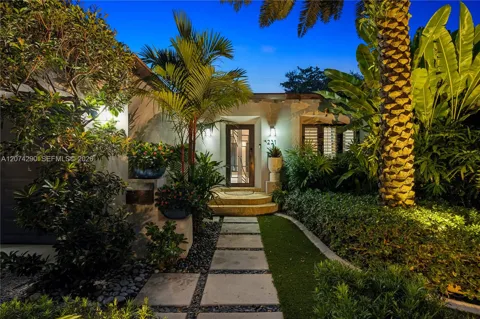
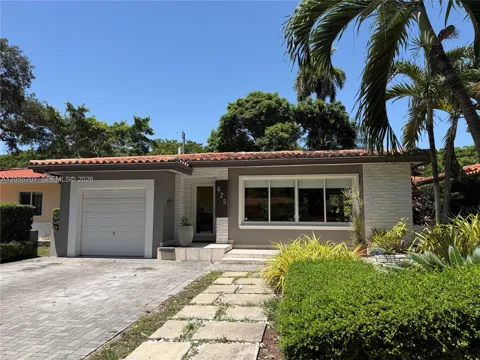
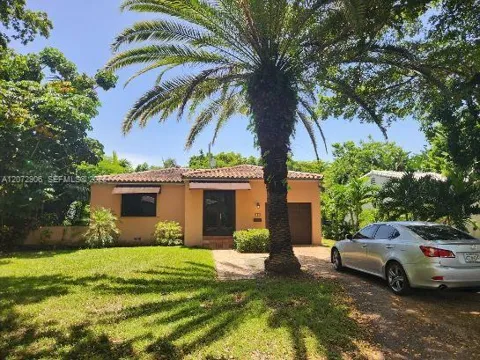
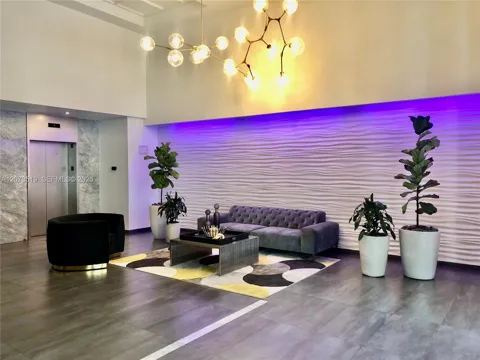
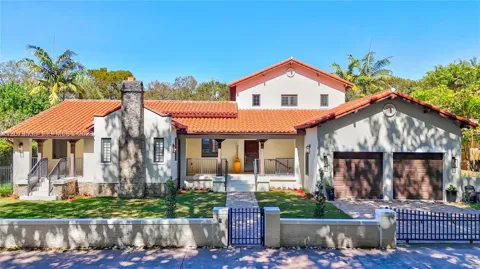
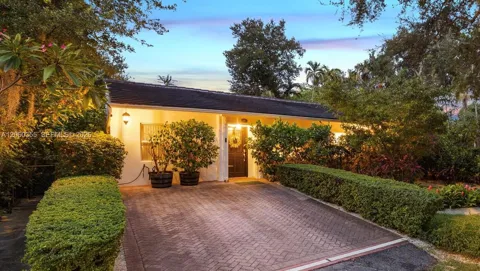
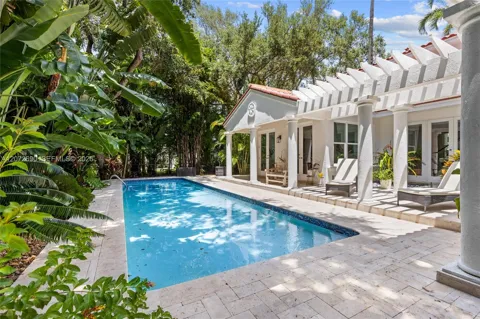
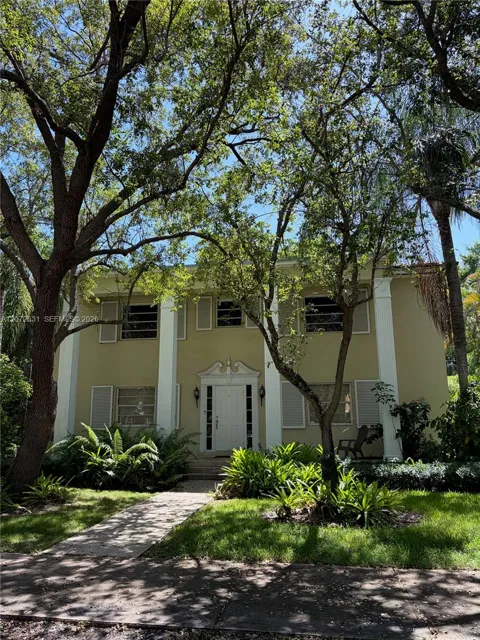
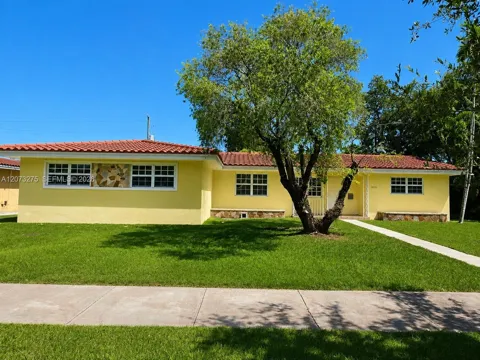
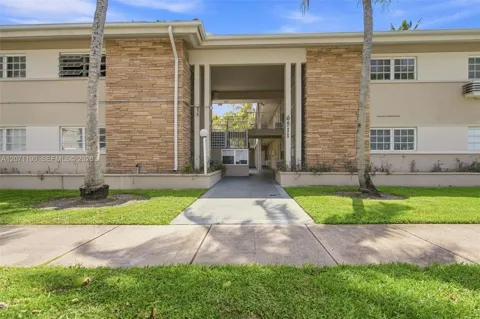
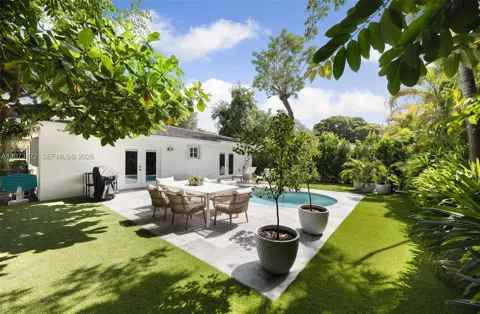
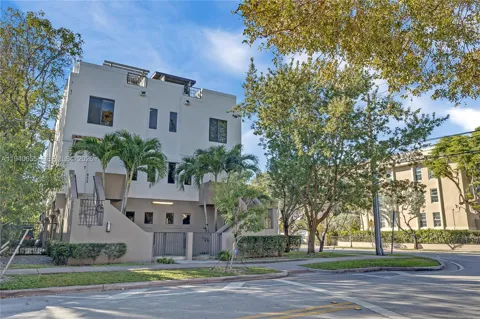
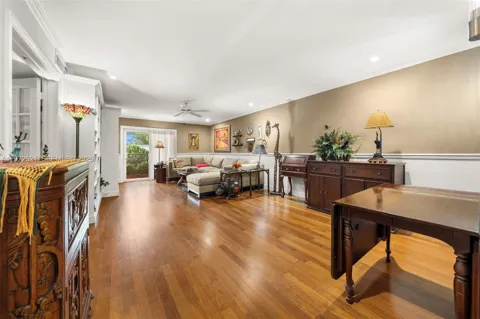
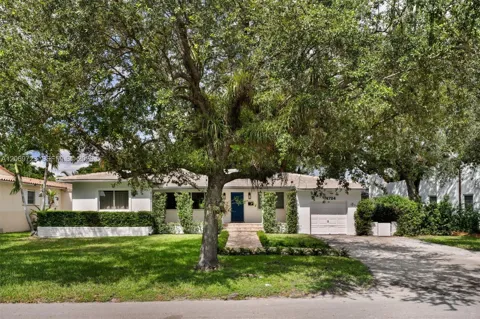
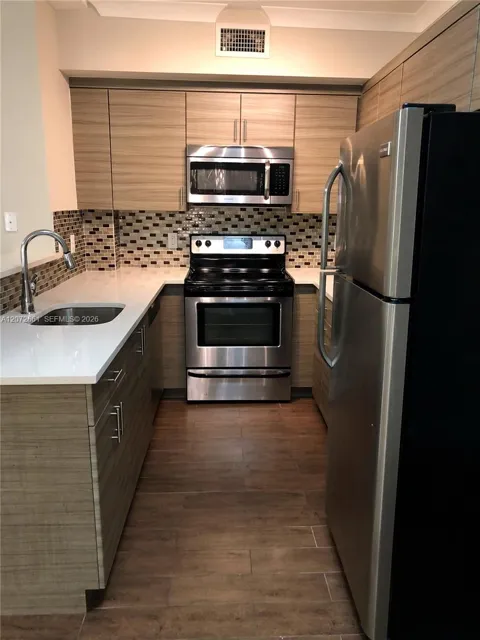
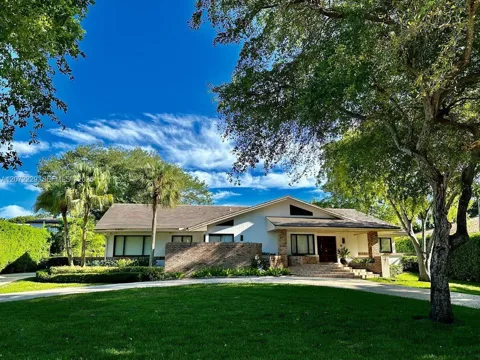
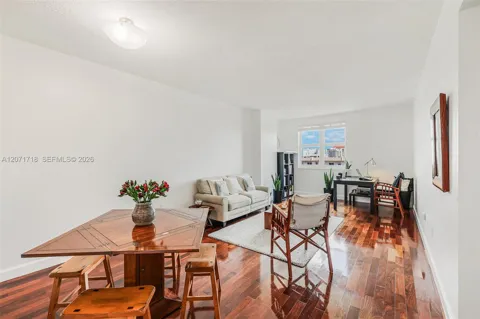
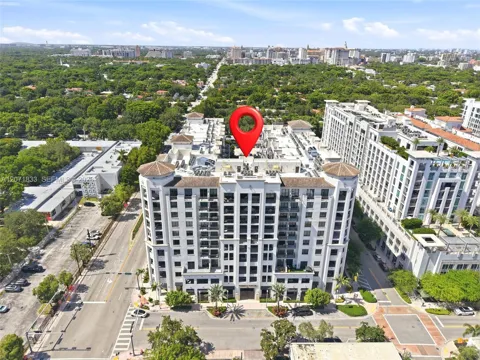
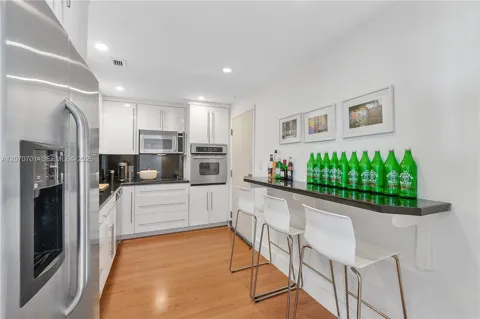
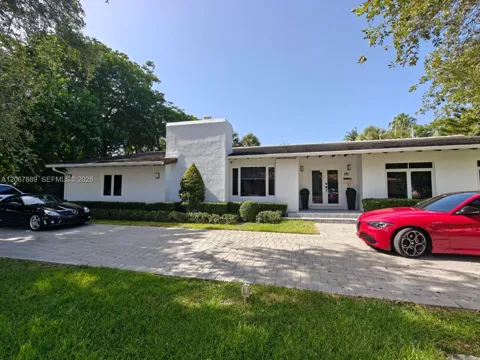
Coral Gables' housing market is defined by its architectural heritage and strict zoning. The city is known for Mediterranean Revival homes and historic estates, along with later additions of Spanish Colonial, French Normandy, and other period styles Merrick's original builders introduced. Beyond the historic core, the market includes ranch and contemporary homes, luxury waterfront properties along the city's canals, and a limited stock of condominiums and townhomes near downtown. Because the city is largely built out and preserves its character through regulation, much of the inventory is established rather than new, and properties command a premium for the city's design standards, tree canopy, and proximity to the University of Miami and Miracle Mile.
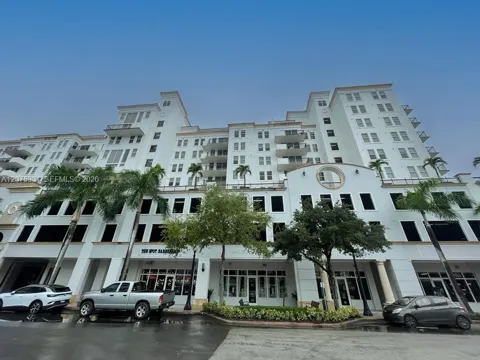
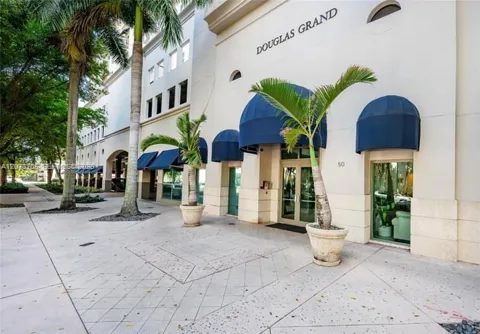
Coral Gables' neighborhoods are tied to Merrick's original plan, with wide avenues named for Spanish and Italian towns and distinct villages built in period styles. The French Normandy, French Country, Chinese, Italian, Dutch South African, and Florida Pioneer villages near the historic core showcase themed architecture from the 1920s. The Biltmore section, around the landmark hotel, holds some of the city's grandest historic homes, while the Riviera and Tahiti Beach areas offer waterfront estates along the city's canals and Biscayne Bay frontage. The area near the University of Miami anchors the south side, and downtown Coral Gables offers condominium and apartment living around Miracle Mile for those seeking a more urban, walkable setting.
Coral Gables offers a refined, low-rise South Florida lifestyle centered on its planned, walkable downtown. Miracle Mile and the surrounding streets of downtown Coral Gables hold upscale boutiques, bridal shops, galleries, and a strong restaurant scene, anchored by the Coral Gables Art Cinema and cultural institutions like the Lowe Art Museum. The city's tree-lined avenues, fountains, and plazas give everyday life a European garden-city feel unusual in Miami-Dade County. Residents enjoy proximity to the University of Miami's campus life, the Biltmore Hotel's grounds, and the city's parks, while downtown Miami, Coconut Grove, and the airport sit just minutes away. It is a community prized for aesthetics, order, and a family- and professional-oriented pace.
Coral Gables is served by Miami-Dade County Public Schools, the nation's third-largest school district, and the city is notable for the strength of its local campuses — all but one of the public schools in and around the city hold A or B ratings. The city is also home to the University of Miami, a leading private research university whose presence shapes the community's educational and cultural life. Families have access to a range of magnet, charter, and private school options in addition to strong neighborhood schools. School quality and proximity are frequently cited as central reasons households choose Coral Gables, and campus assignments follow Miami-Dade's attendance zones by address.
Coral Gables sits at the center of Miami-Dade County's road network, seven miles southwest of downtown Miami and convenient to U.S. Route 1, the Palmetto Expressway, and the Dolphin Expressway. Miami Metrorail serves the downtown Coral Gables and Miracle Mile area indirectly through nearby stations, linking commuters to the broader Miami transit system, while the city's low-rise, tree-lined streets are highly walkable and bikeable within the core. Miami International Airport lies a short drive to the northwest, and Coconut Grove, Brickell, and Coral Way are all within minutes. Most residents rely on cars for regional travel, but the central location keeps commutes short by South Florida standards.
Coral Gables pairs cultivated attractions with everyday green space. The Venetian Pool, built in 1923 from a coral rock quarry and fed by an underground aquifer, offers a historic swimming experience with waterfalls and grottos. The 83-acre Fairchild Tropical Botanic Garden is among the nation's leading tropical botanical gardens, with extensive rare plant collections near Biscayne Bay. The city's parks system includes neighborhood green spaces, while the Biltmore Hotel's grounds and the University of Miami campus add open, landscaped settings. Golfers have access to the historic Biltmore Golf Course, and the Coral Gables Art Cinema and Lowe Art Museum anchor the city's cultural scene. Nearby, Biscayne Bay and the larger Miami area expand outdoor options.
MARKET SNAPSHOT
How homes have been selling here over the last 90 days.
Market data reflects closed sales over the last 90 days and is provided for informational purposes.
EXPLORE COMMUNITIES
Browse the neighborhoods and subdivisions in this area.
BROWSE BY ZIP
Browse listings by postal code in this area.