Miami-Dade Residential Enclave
Welcome to South Miami, a walkable Miami-Dade city centered on historic Sunset Drive, with Metrorail access to Coral Gables and downtown Miami.
South Miami is a city in Miami-Dade County, Florida, situated in the southwestern suburbs of the Miami metropolitan area, immediately south of Coral Gables. It is a compact, close-in community defined by its historic downtown, mature tree canopy, and direct access to the region's transit network. The city was incorporated in 1927, but its roots reach back earlier, to a small settlement that grew around the Florida East Coast Railway at the crossing of Sunset Drive and Dixie Highway. The area's early development centered on the Larkins family, who farmed the surrounding land, ran a dairy, and operated the post office and general store that anchored the community. As the railroad and south Florida's early tourism economy grew, the settlement shifted toward the rail line and steadily matured into the city that was formally chartered in 1927. That heritage remains visible today in the historically designated buildings of Sunset Drive, many dating from 1914 to 1955 and reflecting the Mediterranean Revival style. Modern South Miami is an established residential enclave of roughly 13,900 residents. Its walkable downtown along Sunset Drive, officially renamed Marjory Stoneman Douglas Sunset Drive, provides a neighborhood-scale commercial center that distinguishes it from larger, more car-oriented suburbs. The city is served by Miami-Dade County Public Schools and sits just north of the Downtown Dadeland retail and transit hub. South Miami's appeal is its combination of village character and metropolitan convenience. Metrorail's Green Line runs through the city on its way from Kendall to downtown Miami, and US 1 (South Dixie Highway) runs along its eastern edge. With the University of Miami in adjacent Coral Gables and landmarks such as Dante Fascell Park within the city, South Miami offers a rare blend of historic charm, walkability, and urban access in southwest Miami-Dade.
South Miami is located in Miami-Dade County, in the southeastern part of Florida. It sits immediately south of Coral Gables and southwest of downtown Miami, within the Miami metropolitan area.
Sunset Drive is South Miami's historic downtown corridor, also known as Southwest 72nd Street. Its historically designated buildings, dating from 1914 to 1955, include Mediterranean Revival architecture, and the street was later renamed Marjory Stoneman Douglas Sunset Drive.
South Miami is served by Miami-Dade County Public Schools, one of the largest school districts in the United States. The area also sits close to the University of Miami in neighboring Coral Gables, extending educational options from elementary school through college.
Yes. Metrorail's Green Line runs through South Miami on its route from Kendall through South Miami and Coral Gables to downtown Miami, with connections to Miami International Airport and Tri-Rail. A station in the city links residents to the regional rail network.
South Miami was incorporated as a city in 1927. It grew from a small settlement around the Florida East Coast Railway at Sunset Drive and Dixie Highway, where the Larkins family farm, post office, and general store anchored the early community.
City Guide
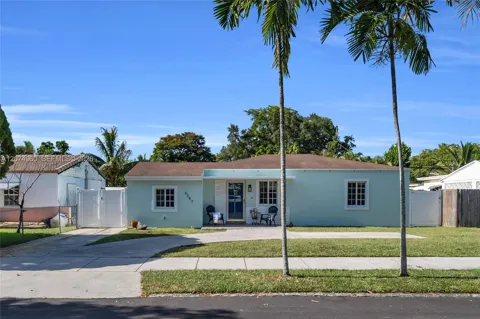
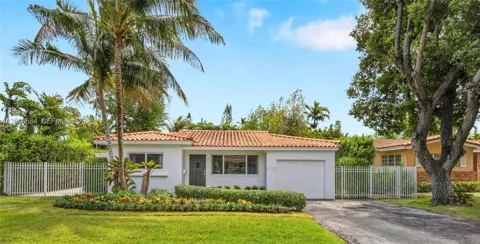
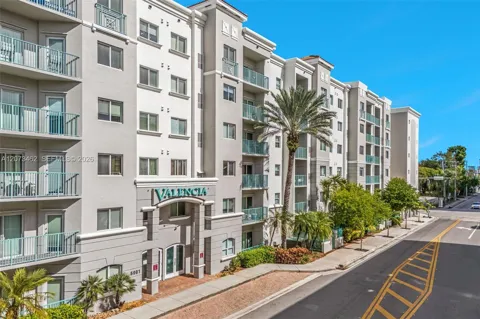
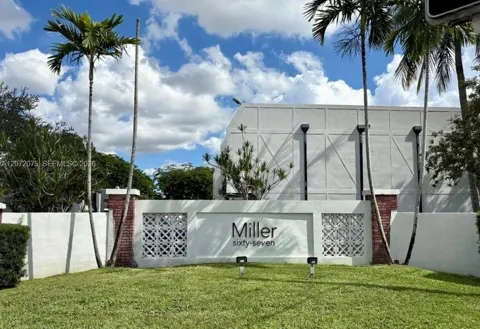
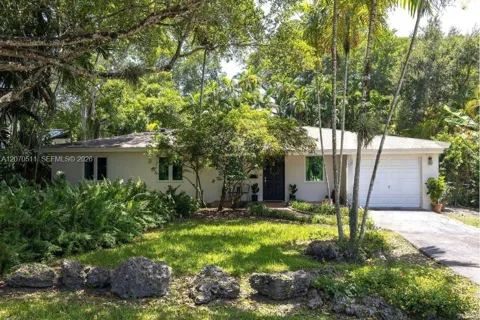
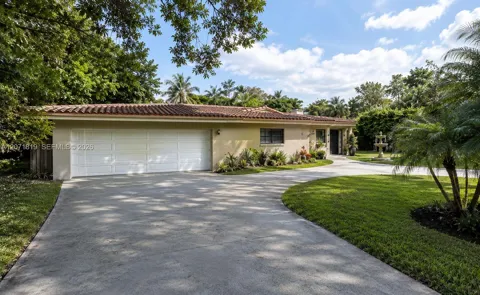
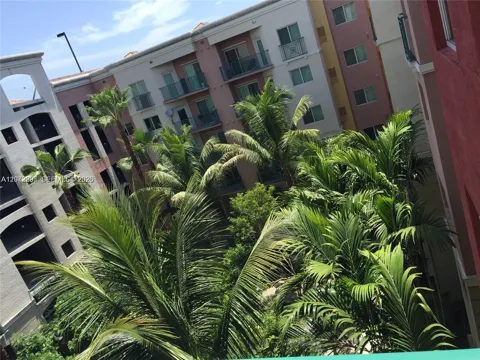
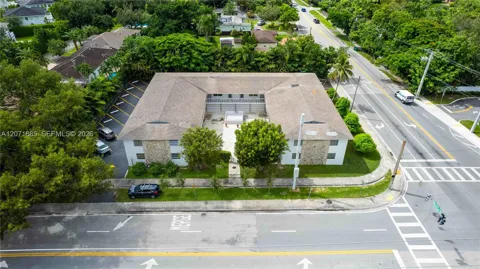
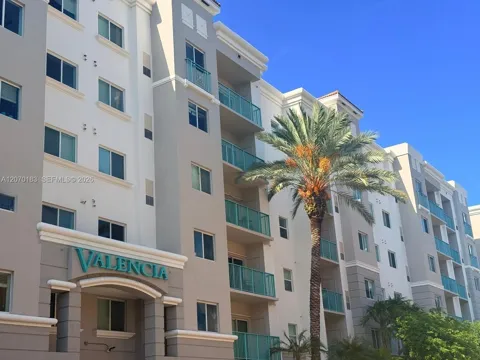
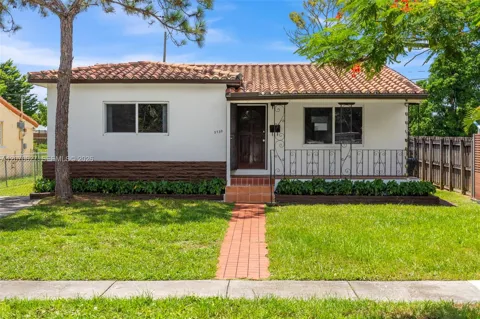
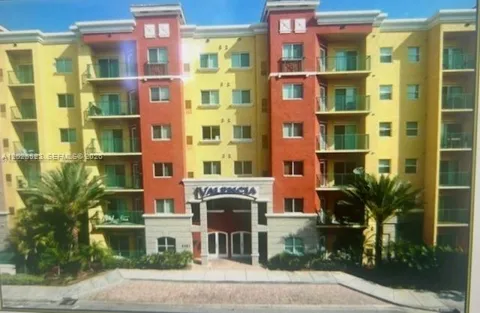
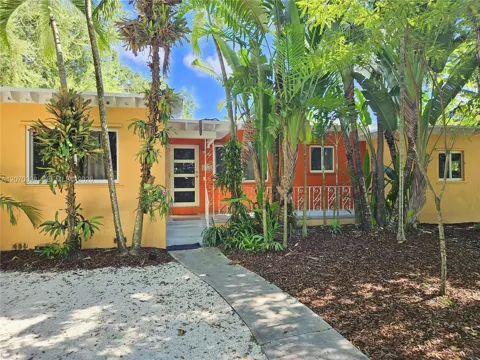
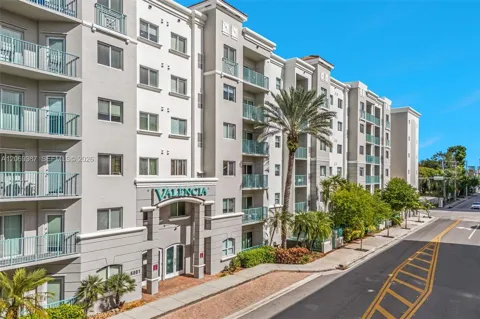
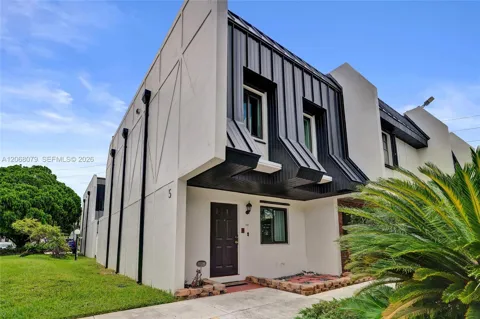
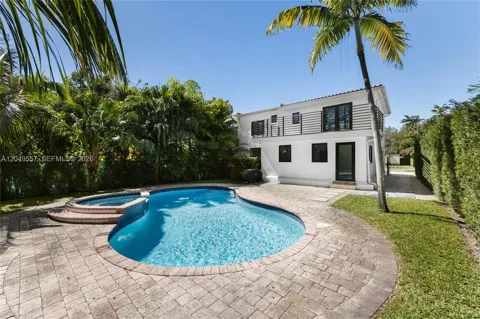
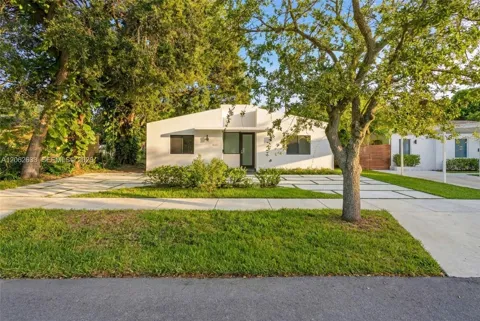
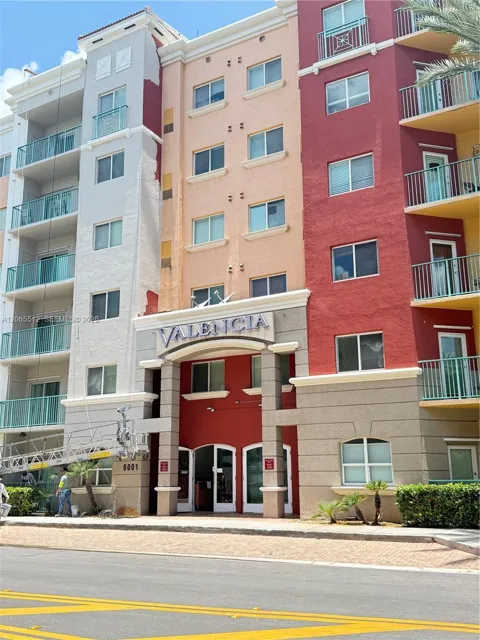
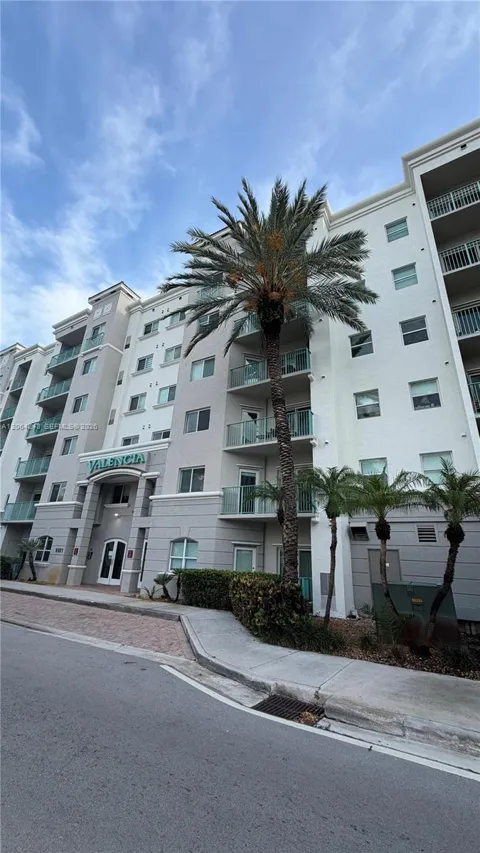
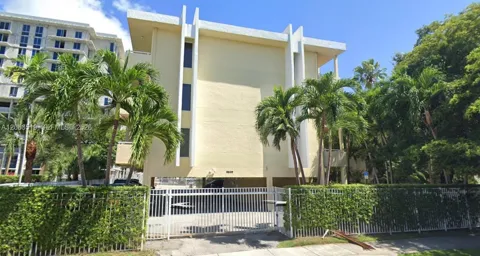
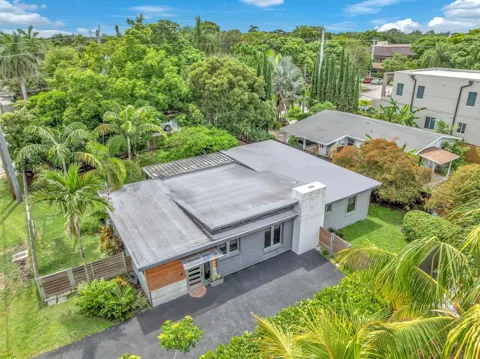
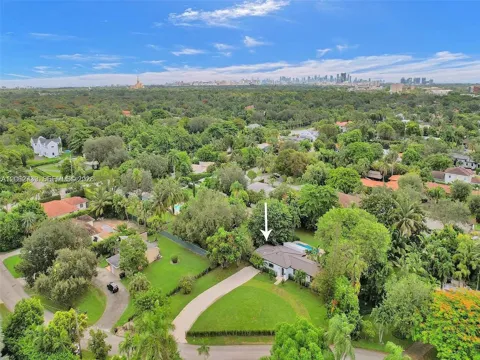
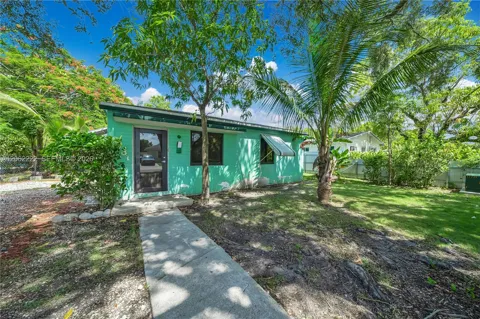
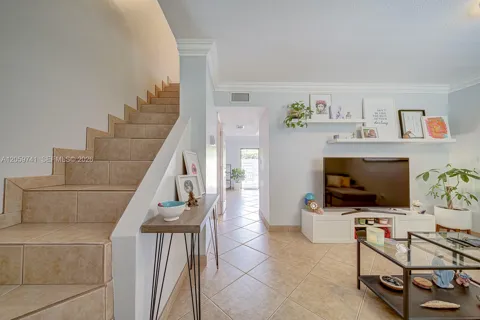
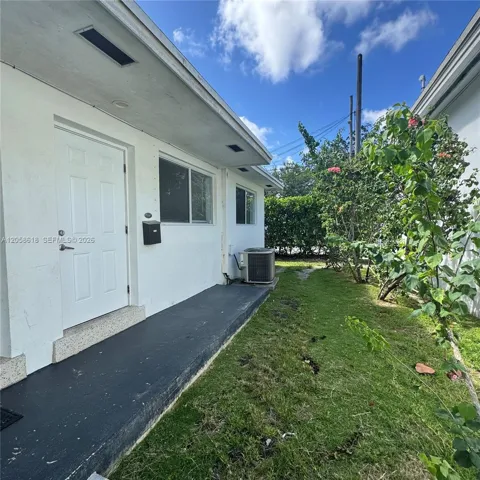
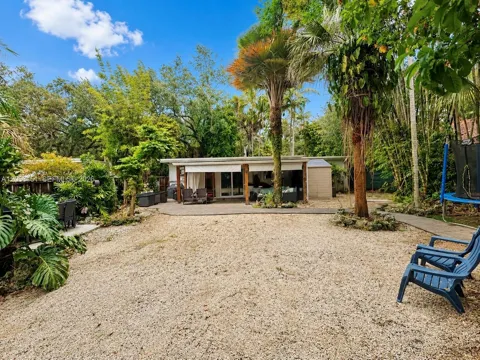
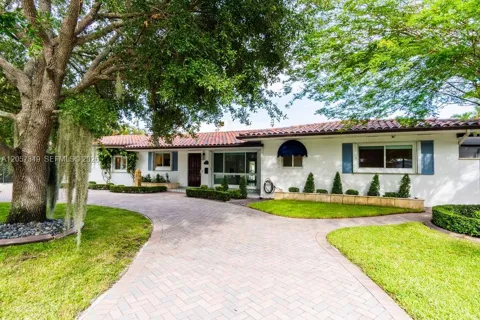
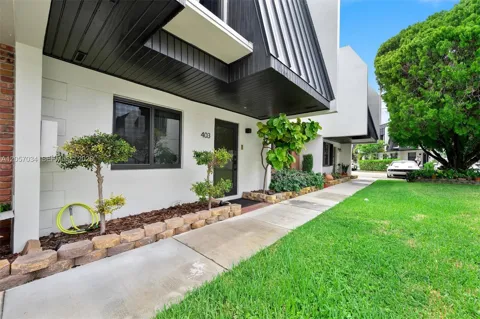
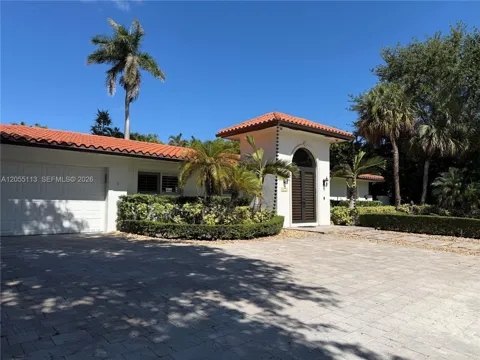
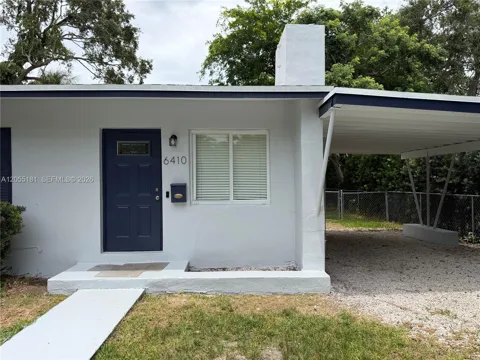
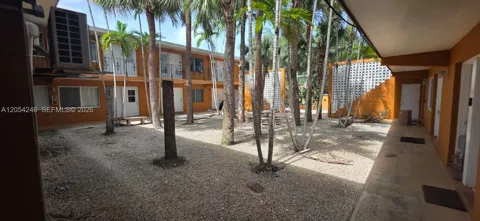
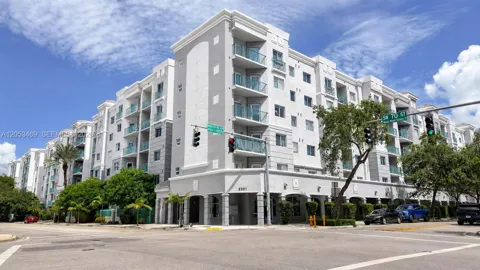
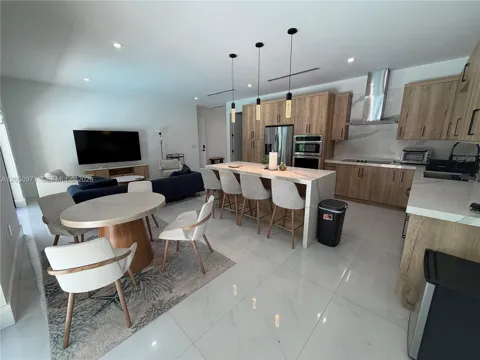
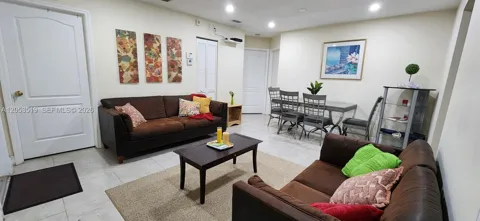
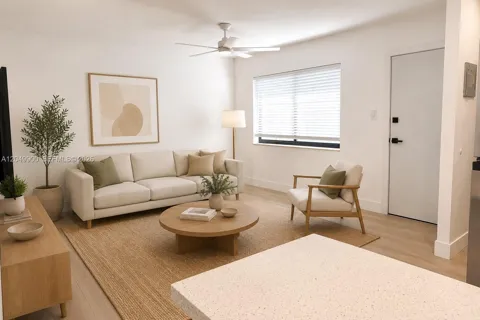
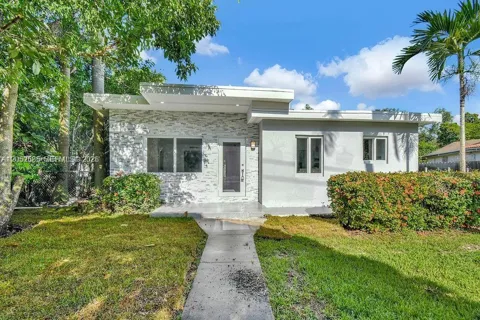
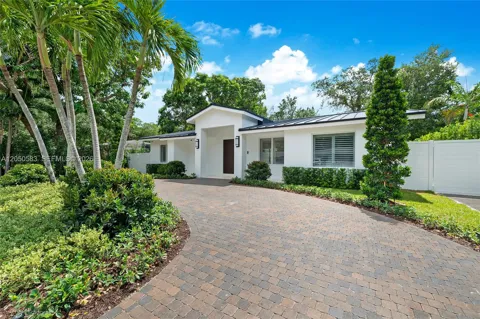
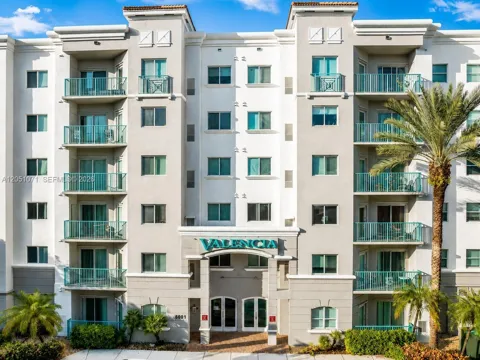
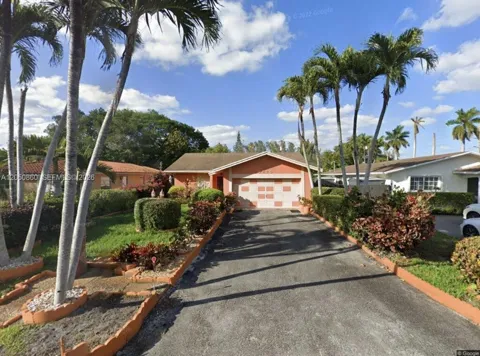
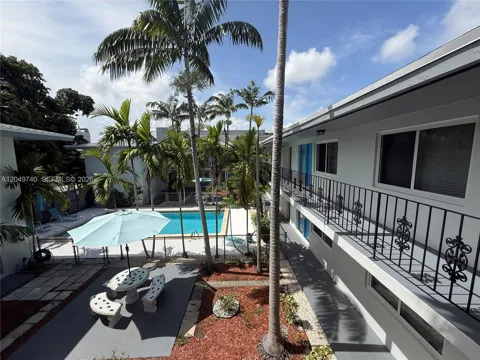
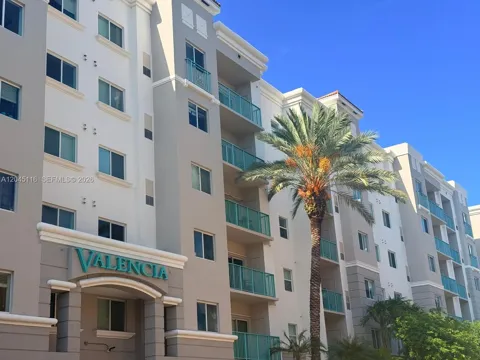
South Miami's housing stock reflects its long-established, close-in location. The city is known for tree-lined streets and a strong presence of single-family homes, many built in Mediterranean Revival and other early-to-mid-twentieth-century styles. Neighborhoods such as Beverly Hills feature homes on notably large, half-acre-plus lots, while secluded enclaves like Mango Terrace offer newer, custom-built residences. The mix of historic homes, mature landscaping, and limited infill gives South Miami a settled, sought-after residential character. Because the city sits immediately south of Coral Gables with Metrorail and US 1 access, its housing is among the most desirable in southwest Miami-Dade.
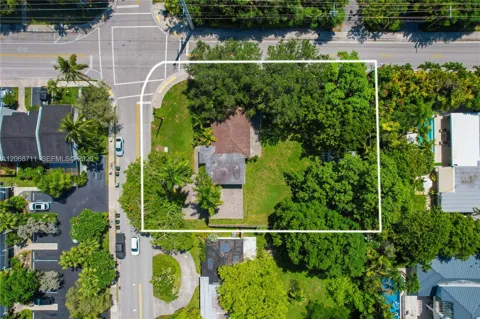
South Miami's neighborhoods range from historic streets to established estates and newer enclaves. Beverly Hills is a prestigious subdivision known for larger lots and Mediterranean-style homes, some sitting on half an acre or more. Mango Terrace is a quieter, more secluded pocket of newer custom construction in the heart of the city. The historic Sunset Drive corridor anchors the downtown, surrounded by long-established residential blocks of mature trees and mid-century homes. To the south, the city edges toward the Downtown Dadeland area, extending access to shopping and transit. This variety gives South Miami a layered, established residential fabric.
South Miami offers a walkable, village-like lifestyle unusual for South Florida suburbs. The historic Sunset Drive corridor serves as the community's downtown, lined with shops, restaurants, and historically designated buildings that give the city a distinctive sense of place. Residents value the tree-lined streets, neighborhood parks, and the ability to reach Coral Gables, the University of Miami, and downtown Miami quickly by car or Metrorail. The city's mature canopy, Mediterranean Revival architecture, and civic events create a close-knit, established atmosphere, while the broader Miami metro supplies culture, dining, and entertainment within minutes.
South Miami is served by Miami-Dade County Public Schools, one of the largest public school districts in the United States, offering a wide range of elementary, middle, and high school options, including magnet and choice programs. The city's close proximity to the University of Miami in neighboring Coral Gables brings higher education and its associated cultural and athletic resources directly into the community's orbit. Families also have access to area charter and private schools across southwest Miami-Dade. This layered educational landscape, from neighborhood public campuses to a major research university minutes away, is a defining asset for South Miami households.
South Miami is unusually well connected for a close-in Miami suburb. Metrorail's Green Line runs through the city, carrying riders from Kendall through South Miami and Coral Gables to downtown Miami, with connections to Miami International Airport, Tri-Rail, and Brightline at regional transfer points. US 1 (South Dixie Highway) forms the city's eastern boundary, providing a direct north-south arterial into Coral Gables and downtown Miami, while Sunset Drive (State Road 986) offers an east-west route across the southwestern suburbs. The nearby Downtown Dadeland area serves as a major transit and retail hub, reinforcing South Miami's position as a car-optional community within the greater Miami area.
Dante Fascell Park is South Miami's signature green space and a local landmark. The park offers six clay tennis courts, a jogging trail, outdoor fitness equipment, sand volleyball, a basketball half-court, and a gated playground and tot lot, all beneath the city's mature shade trees, along with picnic shelters and large open lawns. Beyond the city, residents have easy access to Coral Gables' parks and amenities, the University of Miami campus, and Miami-Dade County's broader recreational network. The city's own tree-lined streets and walkable downtown also make everyday recreation, from walking to outdoor dining, a natural part of life in South Miami.
MARKET SNAPSHOT
How homes have been selling here over the last 90 days.
Market data reflects closed sales over the last 90 days and is provided for informational purposes.
BROWSE BY ZIP
Browse listings by postal code in this area.