North Dade Sports & Cultural Hub
Welcome to Miami Gardens, north Miami-Dade's third-largest city and home to Hard Rock Stadium, midway between Miami and Fort Lauderdale.
Miami Gardens is a city in north-central Miami-Dade County, Florida, positioned midway between Miami and Fort Lauderdale. With a population of roughly 114,000, it is the county's third-largest city after Miami and Hialeah, and it is the largest predominantly African-American municipality in Florida, with a substantial Caribbean population that shapes its culture. The city is relatively young. Incorporated on May 13, 2003, it was formed from a collection of established communities including Carol City, Norland, Scott Lake, and Andover, following years of advocacy by residents seeking self-determination. Its best-known landmark, Hard Rock Stadium, opened in 1987 as Joe Robbie Stadium and has been home to the Miami Dolphins ever since, anchoring the city's identity as a regional sports and entertainment destination. Miami Gardens is also a cultural hub. The stadium hosts major concerts and international sporting events, and the annual Jazz in the Gardens festival draws large audiences for jazz, R&B, and hip-hop performances. The city's Caribbean and Latin influences are visible in its dining, community life, and civic events, and its incorporation brought new investment to commercial corridors across the city. The city's location is among its strongest assets. Interstate 95, the Palmetto Expressway (State Road 826), and the Florida Turnpike all pass through or near the city, placing downtown Miami roughly 15 miles to the south and Fort Lauderdale a similar distance north. Public education is provided by Miami-Dade County Public Schools, one of the nation's largest districts. Miami Gardens offers established single-family neighborhoods, strong community identity, and unmatched expressway access within South Florida, appealing to households seeking a culturally rich, centrally located base in the metro.
Miami Gardens is a city in north-central Miami-Dade County, Florida, located midway between Miami and Fort Lauderdale. With a population of roughly 114,000, it is the county's third-largest city, after Miami and Hialeah.
Miami Gardens is about 15 miles north of downtown Miami, roughly an 18-minute drive via Interstate 95 or the Palmetto Expressway. Fort Lauderdale is a similar distance to the north, giving the city a central position in South Florida.
Miami Gardens is home to Hard Rock Stadium, which hosts the Miami Dolphins, major concerts, and large sporting events. The city also hosts the annual Jazz in the Gardens music festival, a major celebration of jazz, R&B, and hip-hop culture at the stadium.
Miami Gardens was incorporated on May 13, 2003, becoming the 33rd municipality in Miami-Dade County. It formed from a collection of existing communities, including Carol City and Norland, after years of advocacy by local residents.
Miami Gardens is served by Miami-Dade County Public Schools, one of the largest school districts in the United States. The city is also home to private and charter school options, and households should confirm school assignments for a specific address.
City Guide
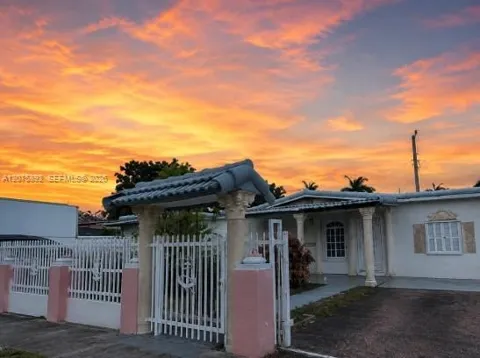
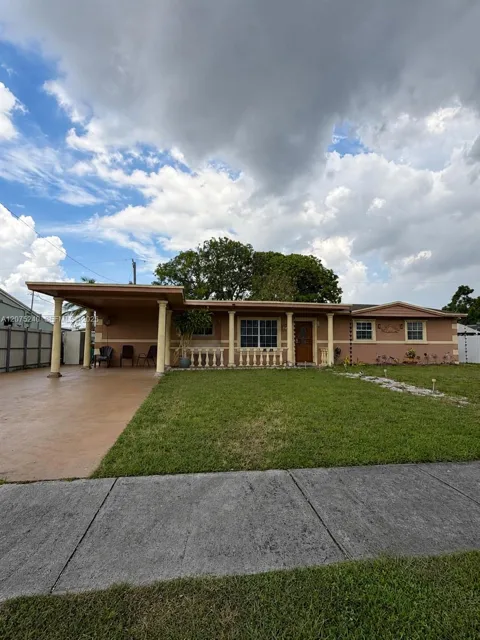
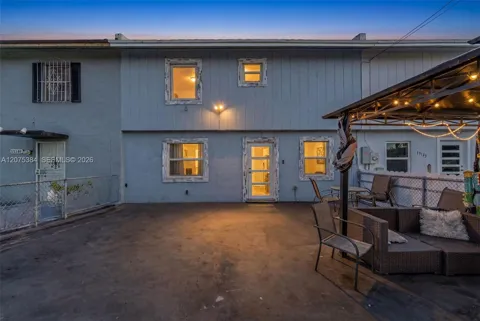
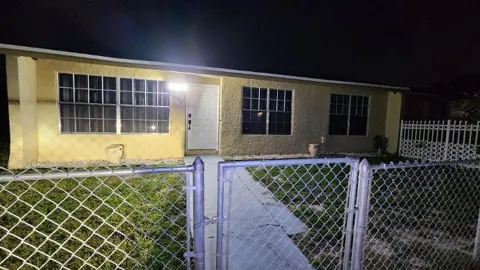
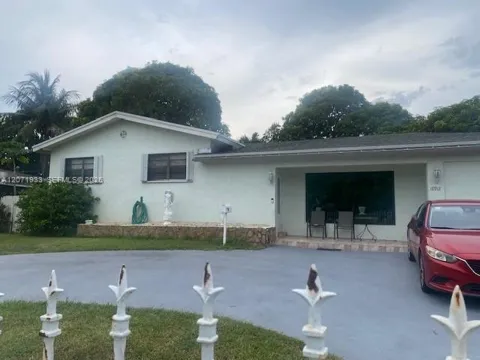
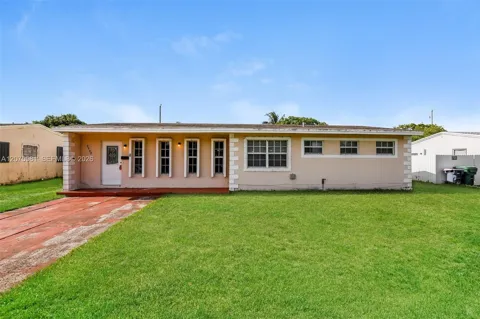
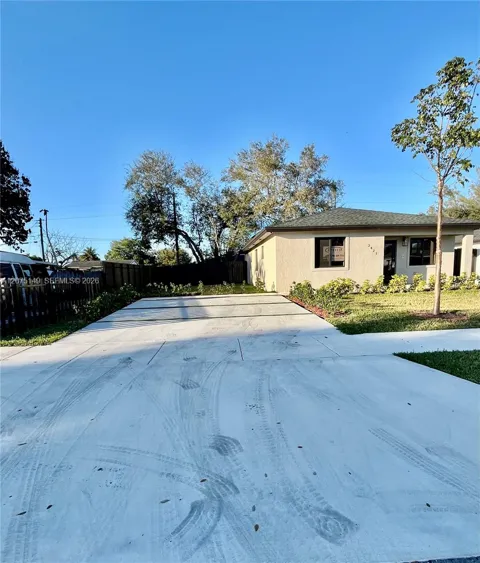
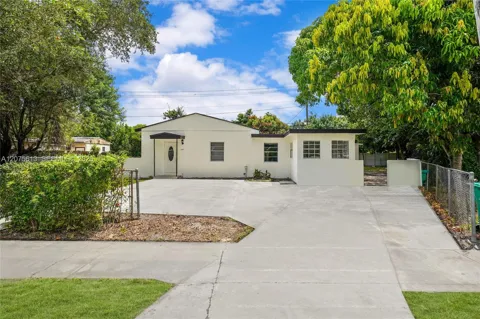
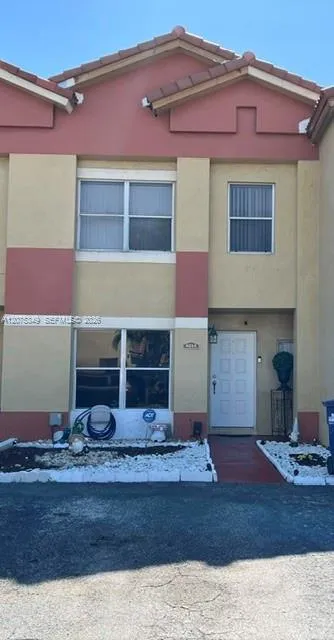
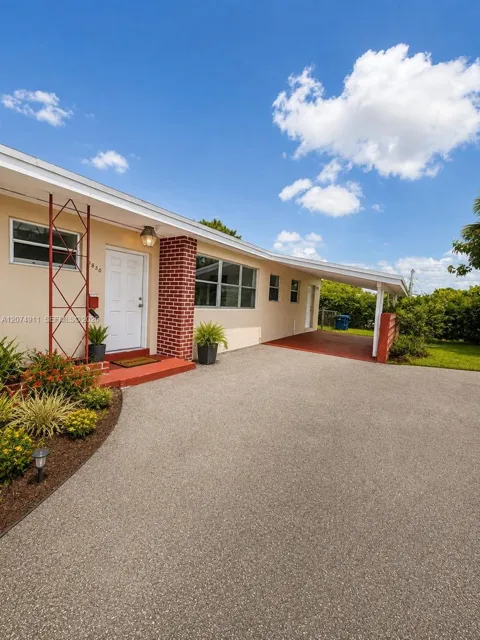
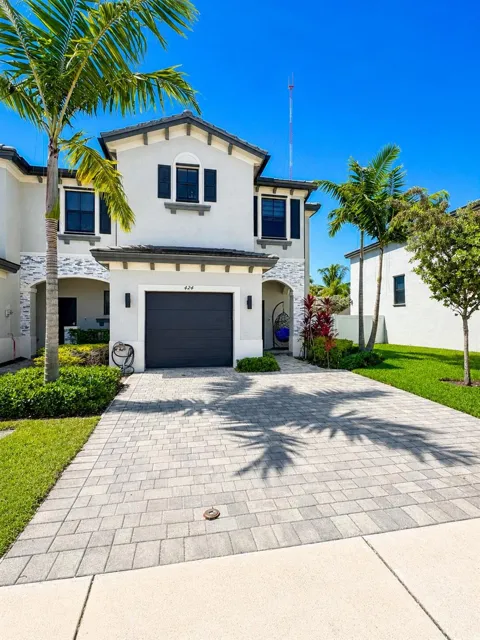
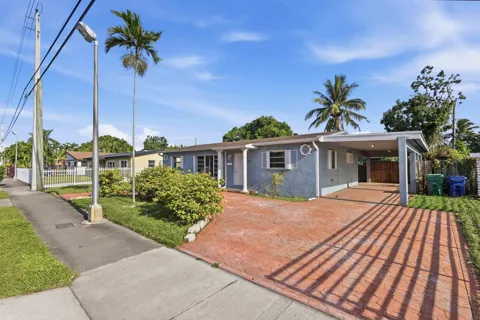
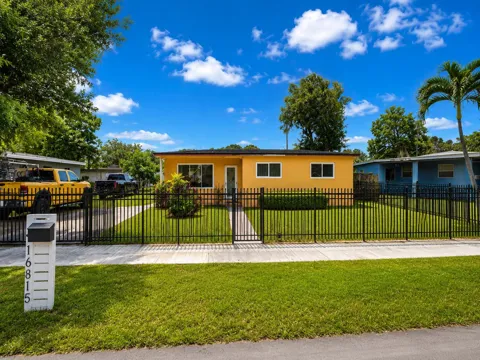
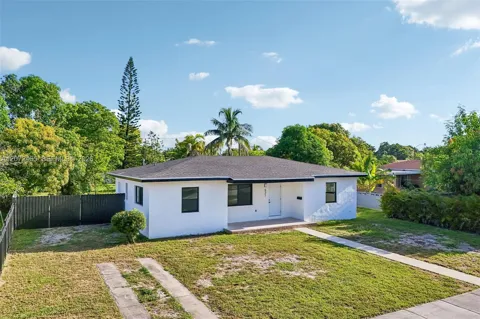
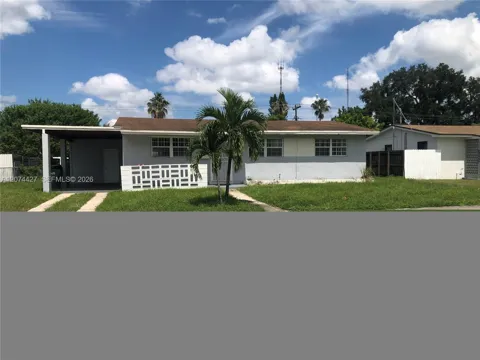
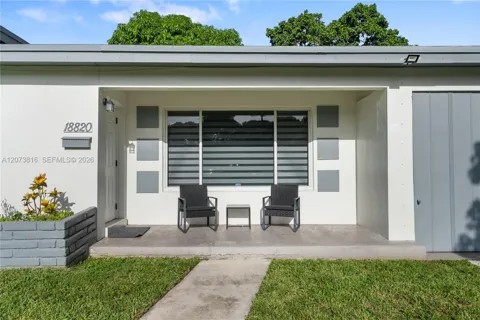
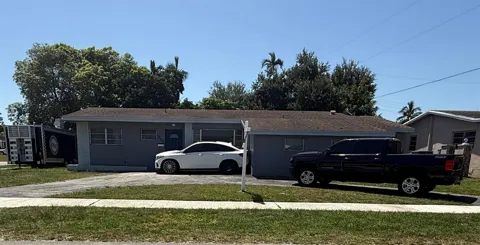
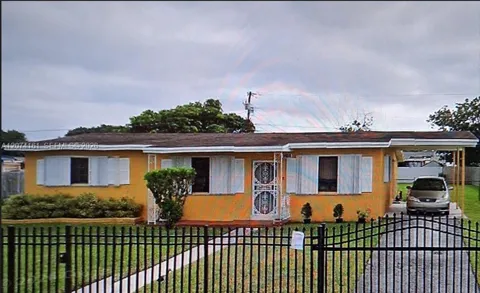
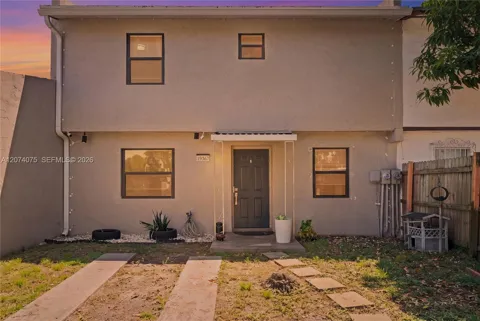
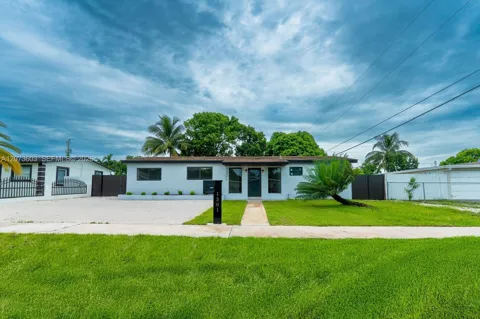
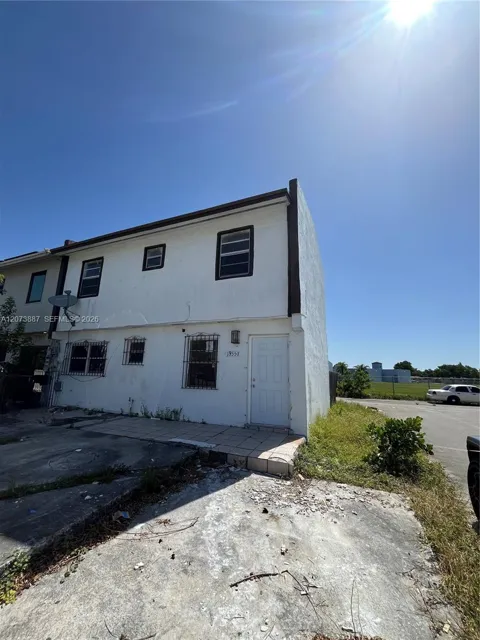
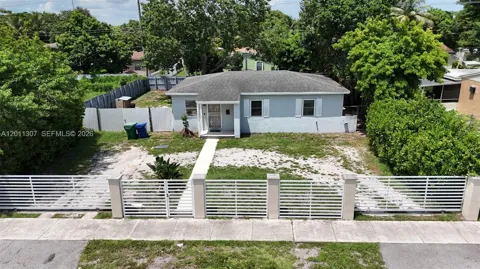
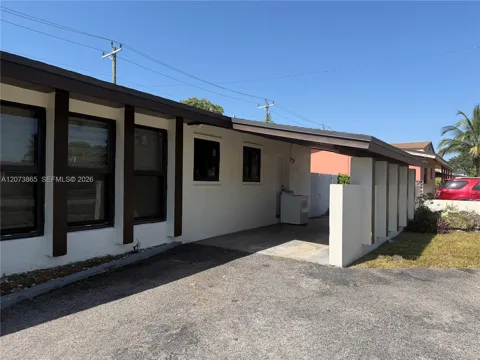
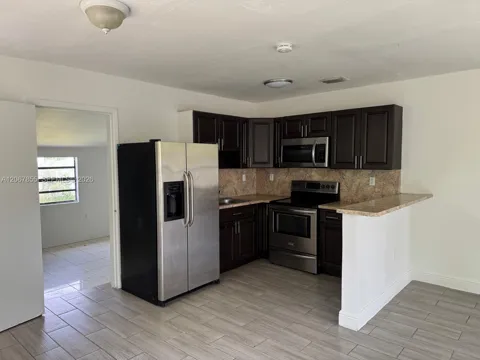
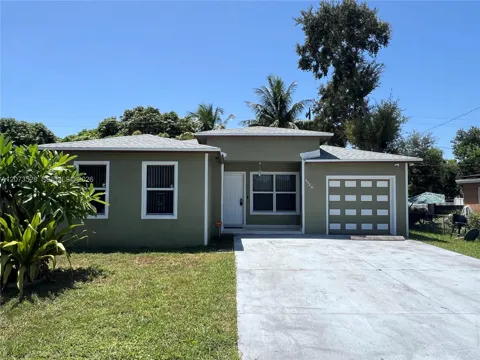
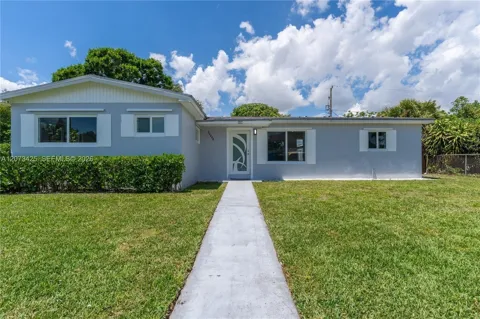
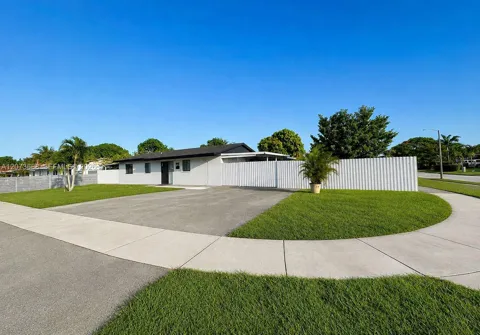
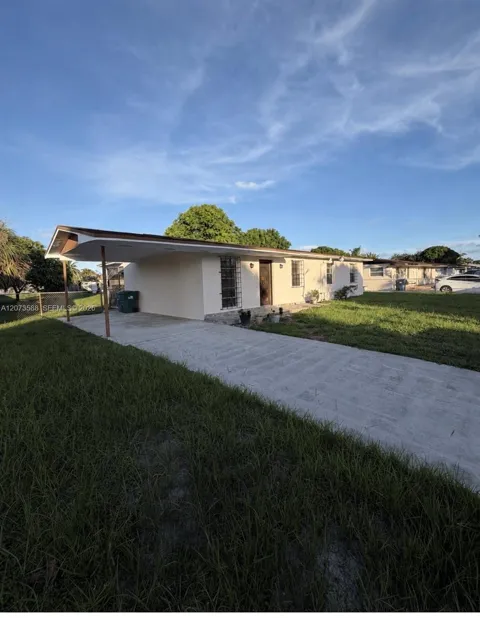
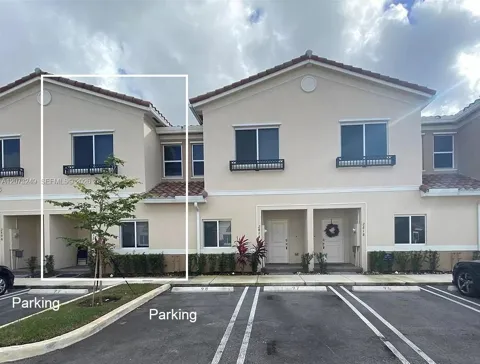
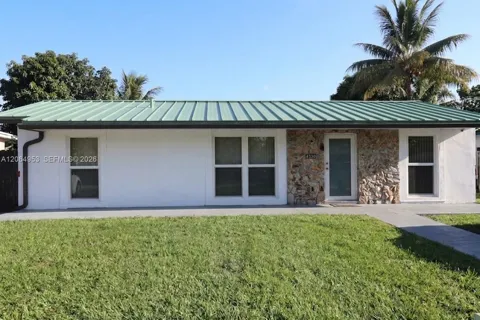
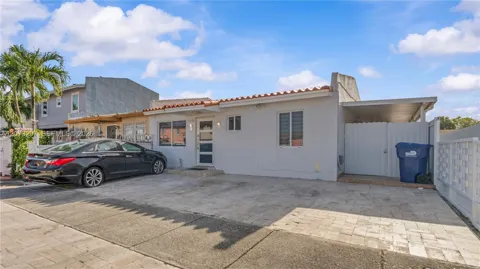
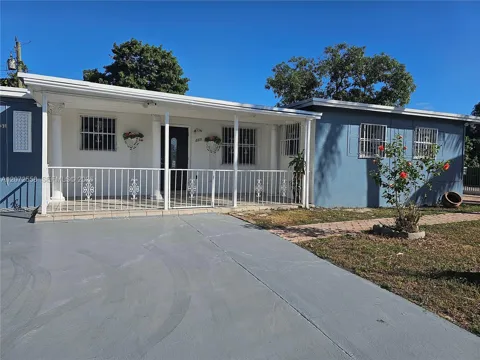
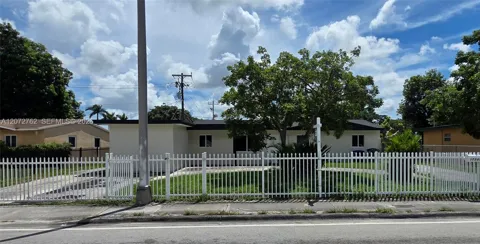
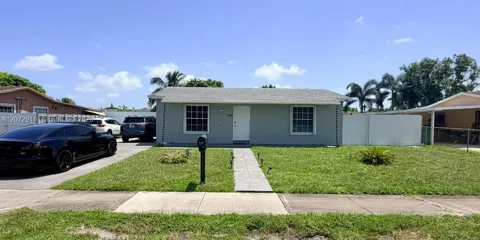
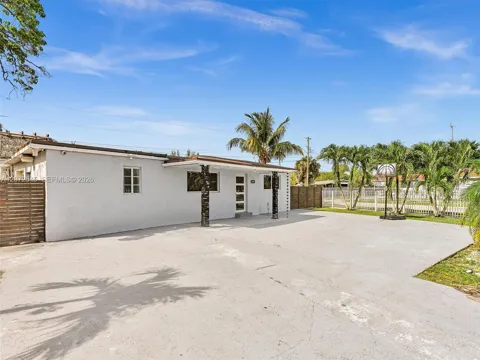
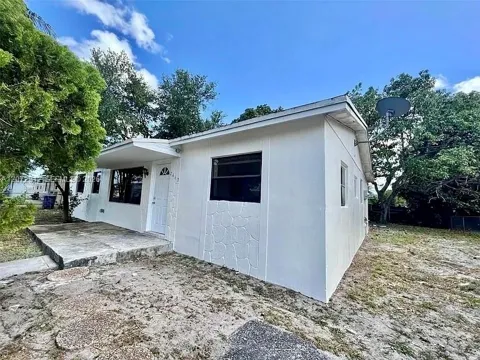
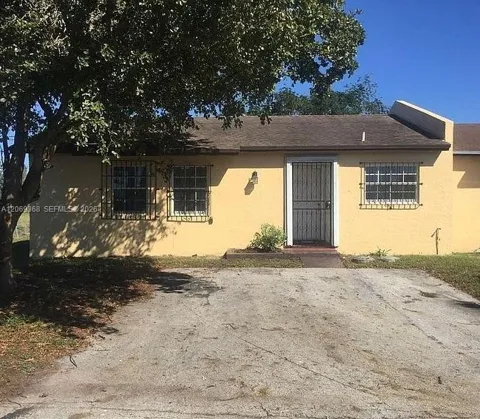
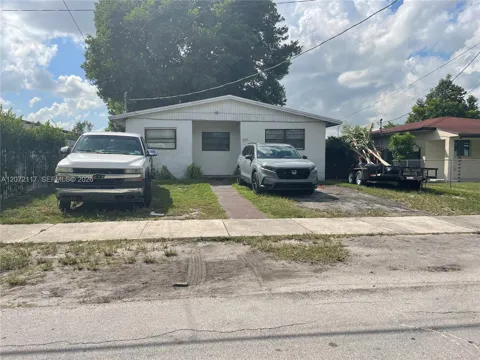
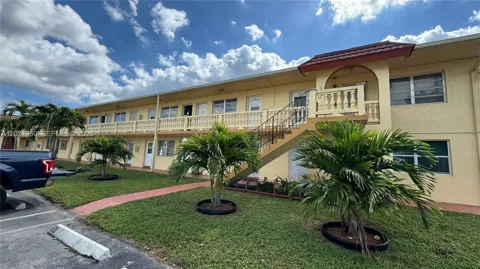
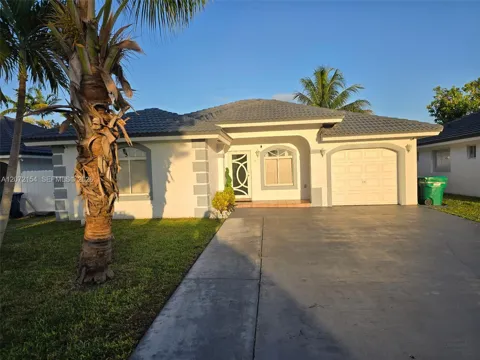
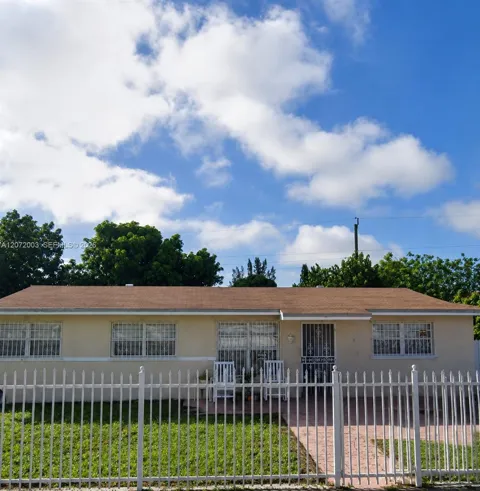
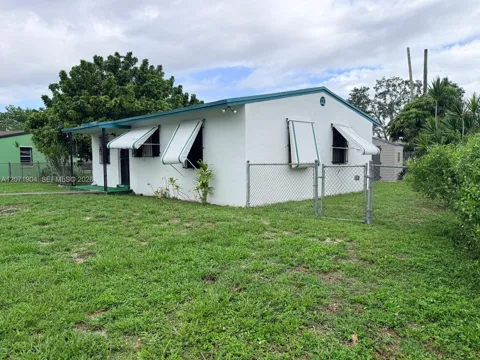
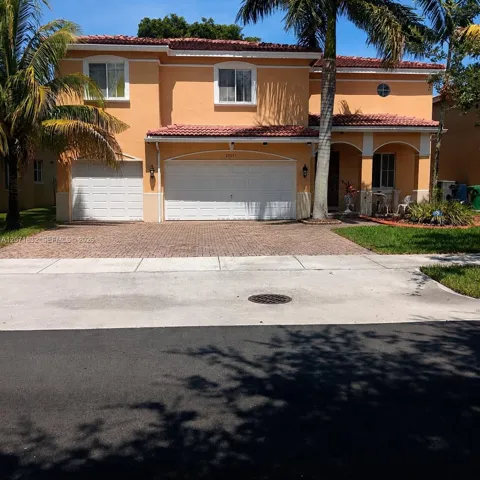
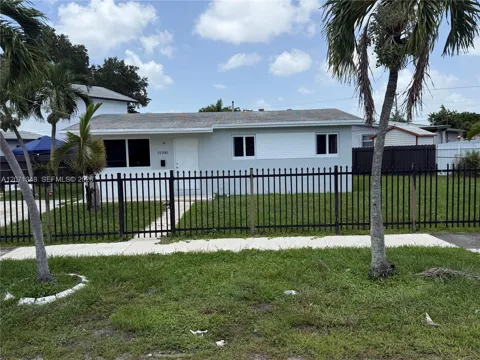
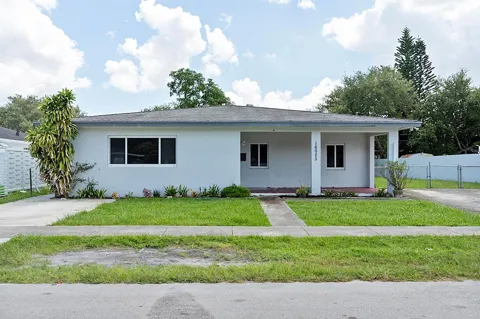
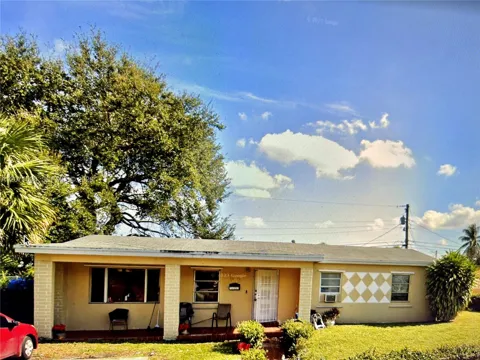
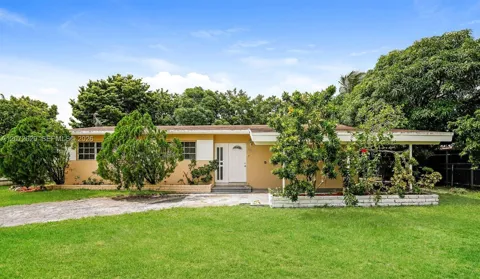
Miami Gardens's housing stock consists largely of established single-family homes built during the mid-to-late 20th century as the area developed as a working- and middle-class suburb. Many neighborhoods feature ranch-style and one-story homes on modest lots, along with some duplexes, townhomes, and apartment communities. The city's incorporation brought renewed investment and redevelopment in certain corridors. The housing mix provides a relatively established, suburban character within South Florida, offering single-family living at a scale uncommon in denser parts of the metro area.
Miami Gardens was formed in 2003 from a set of long-established communities, including Carol City, Norland, Scott Lake, and Andover, each with its own residential character. Carol City and Norland, in particular, carry deep local identity and community history. Residential streets are arranged in a classic mid-century South Florida grid, with schools, churches, and parks woven throughout. This neighborhood structure gives the city a stable, established feel while the surrounding expressways connect residents quickly to the wider region.
Miami Gardens has a vibrant, culturally rich lifestyle shaped by its African-American and Caribbean communities. Hard Rock Stadium anchors the city's entertainment identity, hosting Dolphins games, major concerts, and the annual Jazz in the Gardens festival, a signature celebration of jazz, R&B, and hip-hop. The city's dining scene reflects its Caribbean and Latin influences, and community events, youth sports, and civic programs run throughout the year. As a relatively young municipality, Miami Gardens combines established neighborhood character with an active civic identity and strong community pride.
Miami Gardens is served by Miami-Dade County Public Schools, one of the largest school districts in the United States. The city contains numerous elementary, middle, and high school campuses, along with charter and private options. School assignment varies by address within the district, so households should confirm boundaries for a specific property. The surrounding region also offers higher-education institutions accessible to Miami Gardens residents across Miami-Dade and Broward counties.
Miami Gardens benefits from exceptional highway access. Interstate 95, the Palmetto Expressway (State Road 826), and the Florida Turnpike all serve the city, placing downtown Miami about 15 miles to the south and Fort Lauderdale a comparable distance to the north. Miami-Dade County Transit operates bus routes through the city, supplemented by the local Miami Gardens Express shuttle and municipal trolley service. This connectivity makes the city a practical base for commuters across the South Florida metro.
Recreation in Miami Gardens centers on Hard Rock Stadium, which brings major sporting events, concerts, and the annual Jazz in the Gardens festival to the city. The city maintains a network of parks, playgrounds, and community centers that support youth sports leagues, fitness programs, and neighborhood gatherings. Residents also benefit from proximity to the beaches, cultural institutions, and entertainment districts of both Miami and Fort Lauderdale, reachable within a short drive along the area's expressways.
MARKET SNAPSHOT
How homes have been selling here over the last 90 days.
Market data reflects closed sales over the last 90 days and is provided for informational purposes.
BROWSE BY ZIP
Browse listings by postal code in this area.