America's Oldest City
Welcome to St. Augustine, the nation's oldest continuously occupied city, founded in 1565, with a Spanish colonial downtown, waterfront fort, and barrier-island beaches.
St. Augustine is a city in St. Johns County, Florida, on the state's northeast coast between Jacksonville and Daytona Beach. It holds a singular place in American history: founded in 1565 by Spanish admiral Pedro Menéndez de Avilés, it is the oldest continuously occupied European-established settlement in the continental United States. The city's population is roughly 16,000, though it anchors a much larger county of more than 300,000 people that has become one of Florida's most desirable residential areas. The historic core is the city's defining feature. The St. Augustine Town Plan Historic District, a National Historic Landmark, preserves one of the earliest examples of a planned European community, with streets laid out in the Spanish colonial pattern of the 16th century. Within it stand the Castillo de San Marcos, the masonry fort begun in 1672 and the oldest of its kind in the country; the Plaza de la Constitución; and Flagler College, housed in the former Ponce de León Hotel built by railroad and hotel magnate Henry Flagler in the 1880s. Pedestrian streets, historic inns, and centuries-old coquina buildings draw millions of visitors each year. Across the Matanzas River and the Intracoastal Waterway, the city's recreational side unfolds. Anastasia State Park protects 1,600 acres of barrier-island habitat and four miles of white quartz-sand beach, while the St. Augustine Lighthouse & Maritime Museum rises over the island. To the north, Vilano Beach and the quieter stretches of the Historic Coast offer surf fishing, boating, and beach living. Modern St. Augustine is both a tourism destination and a fast-growing residential community. St. Johns County Schools serve the area and are consistently ranked among Florida's best, drawing families to neighborhoods from the historic Lincolnville and Davis Shores districts to the beach communities of Anastasia Island and the newer subdivisions along the county's growth corridors. The result is a city that pairs unmatched history with a coastal, family-oriented lifestyle.
St. Augustine is in St. Johns County, Florida, on the state's northeast coast about 40 miles south of Jacksonville. It is the county seat and part of the broader Jacksonville metropolitan area.
St. Augustine was founded in 1565 by Spanish admiral Pedro Menéndez de Avilés, making it the oldest continuously occupied European-established settlement in the continental United States. Its historic district preserves a 16th-century Spanish colonial street plan.
St. Augustine is served by St. Johns County School District, a consistently top-rated Florida district. Flagler College, a private liberal-arts college in the former Ponce de León Hotel, is located downtown.
Anastasia State Park offers four miles of white-sand beach on Anastasia Island, while St. Augustine Beach and Vilano Beach provide additional public shoreline with fishing, surfing, and amenities. The St. Johns County pier is a popular fishing spot.
The Castillo de San Marcos is a masonry fort on St. Augustine's bayfront, begun in 1672 and built of coquina stone. It is the oldest masonry fort in the continental United States and is preserved as a national monument.
City Guide
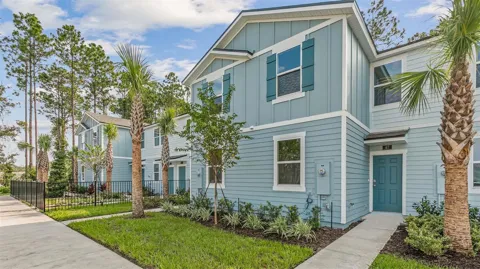
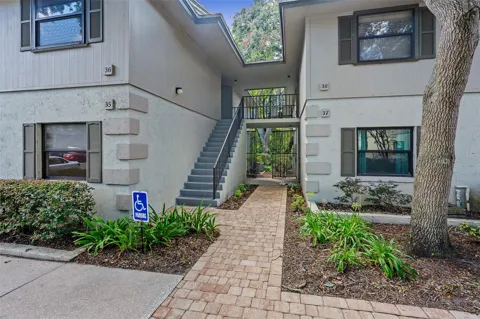
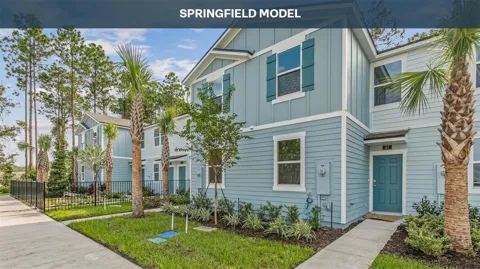
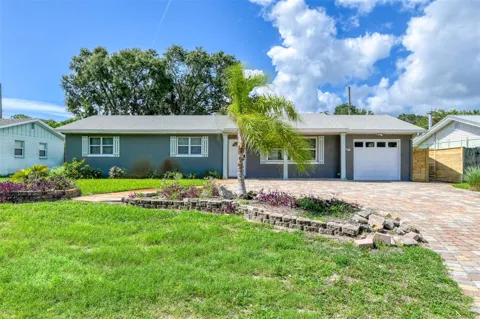
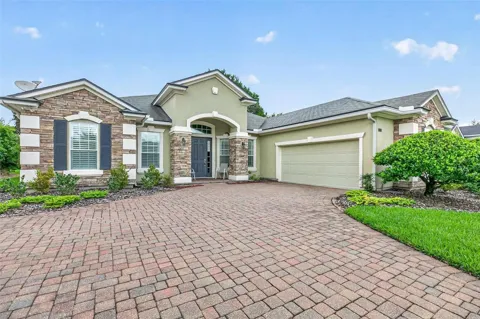
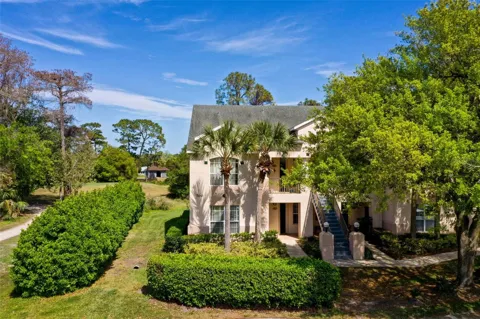
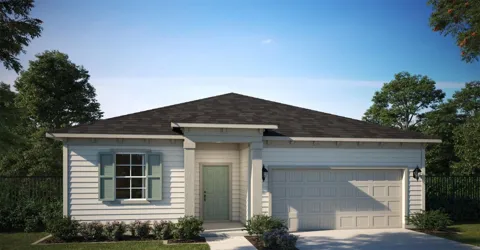
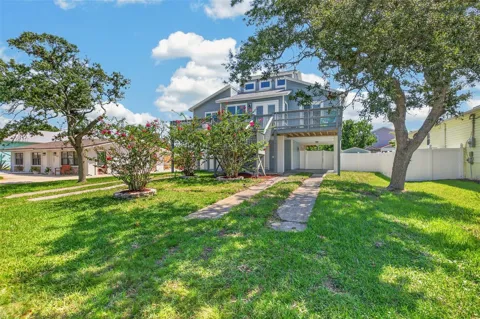
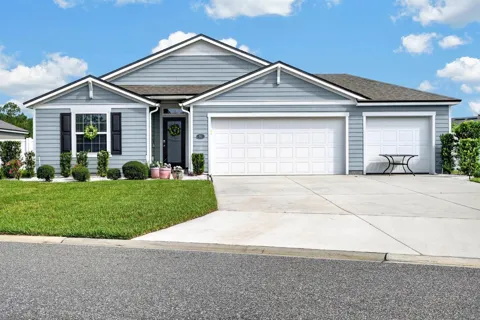
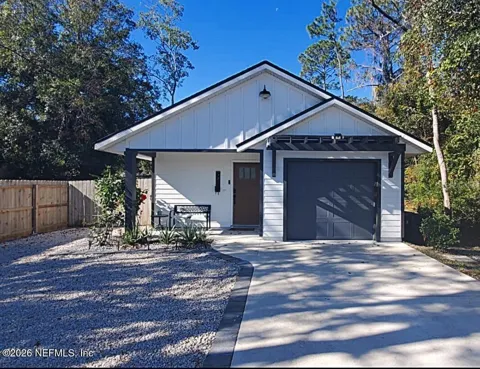
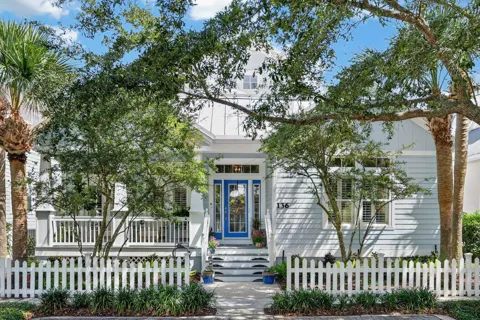
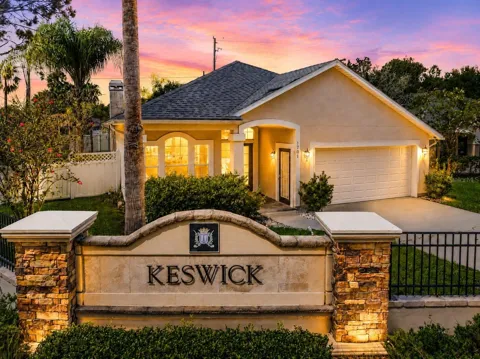
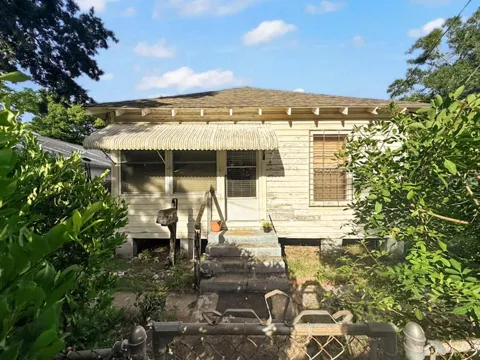
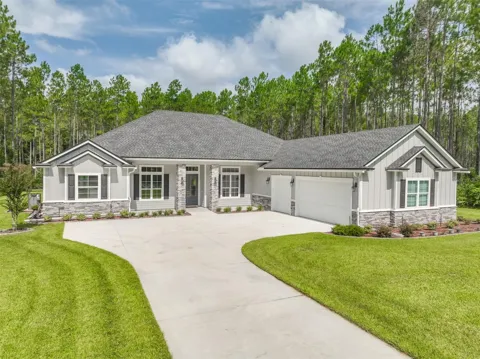
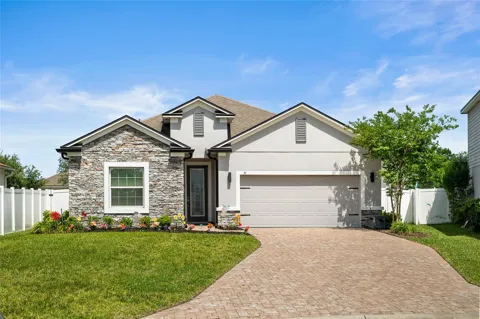
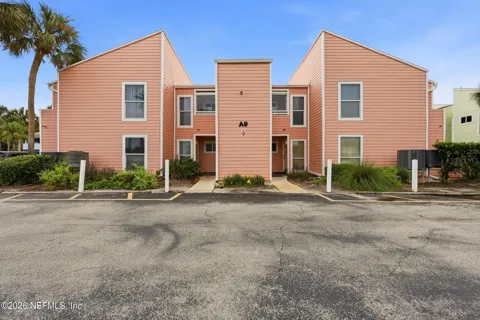
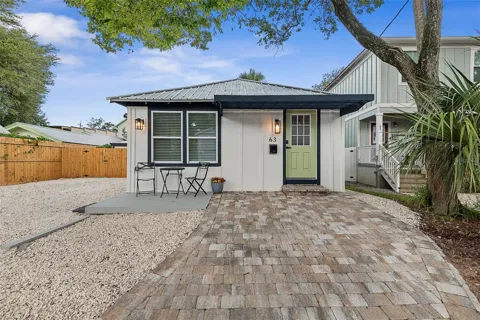
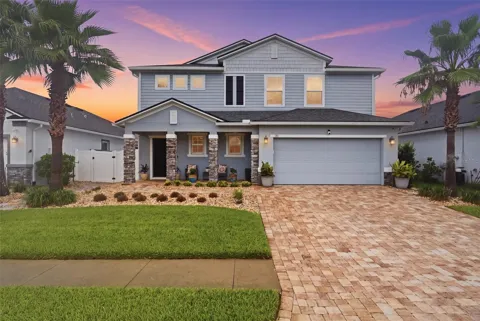
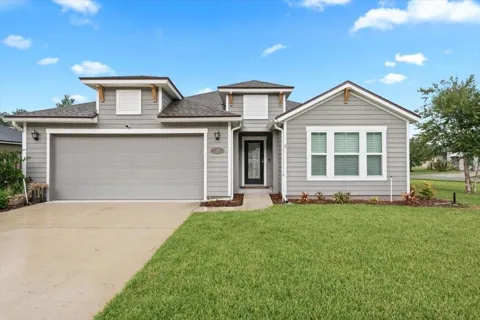
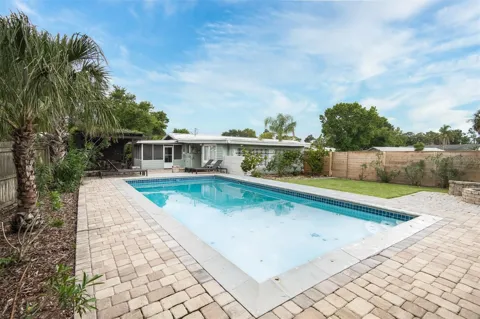
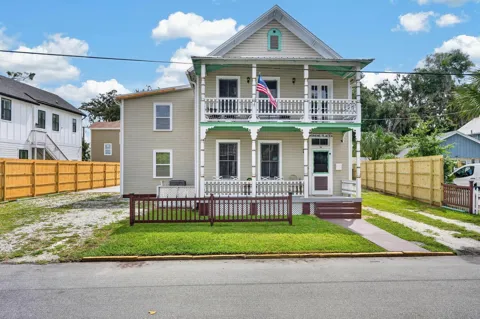
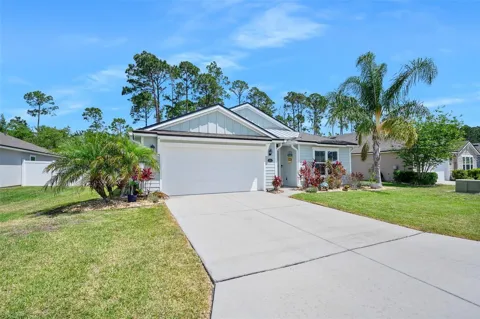
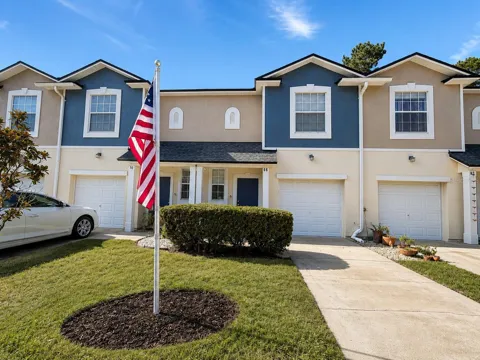
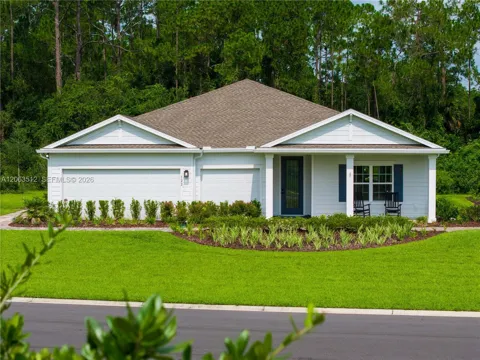
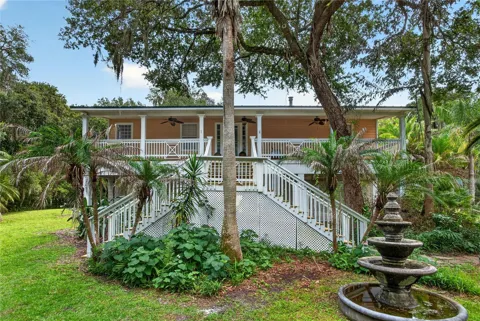
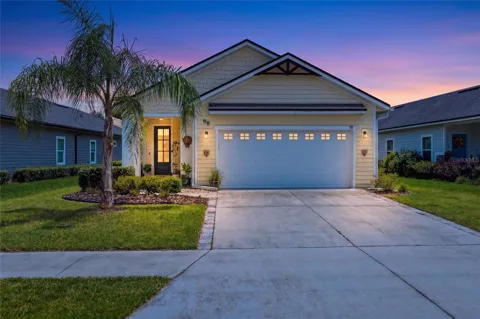
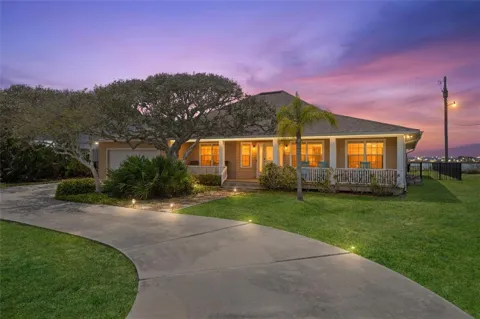
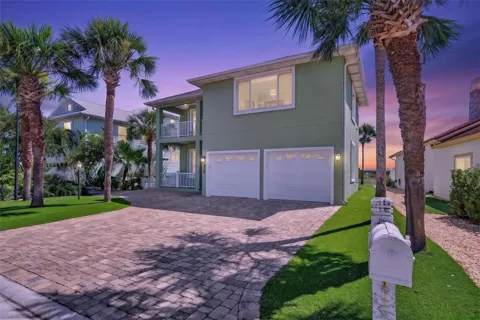
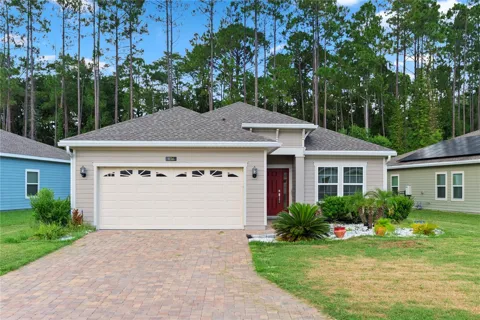
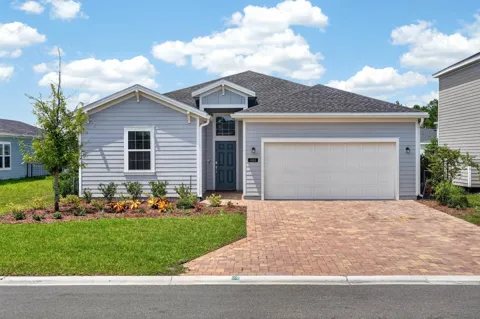
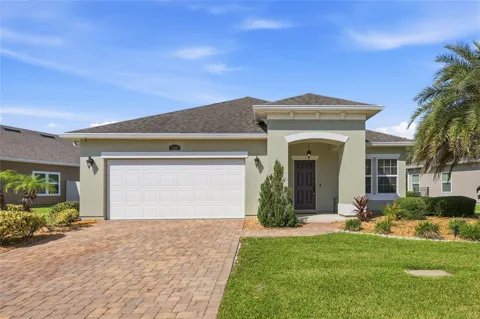
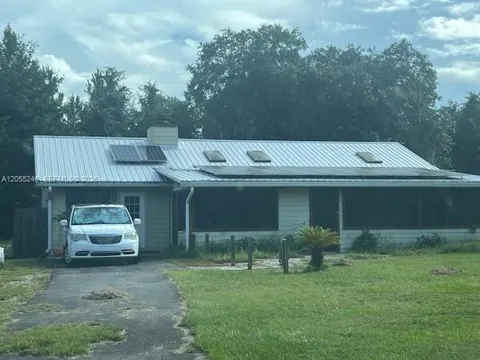
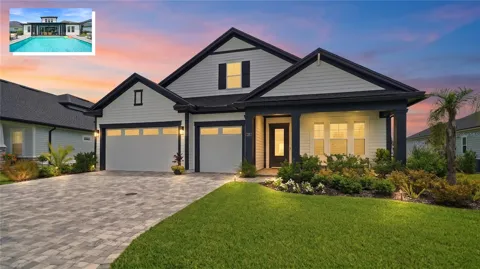
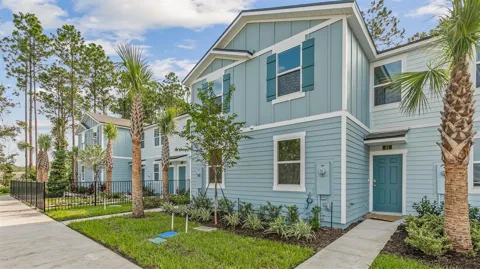
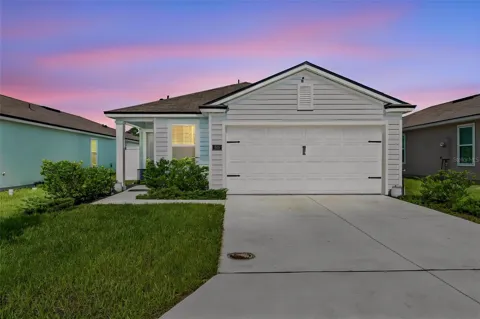
St. Augustine's housing stock is unusually diverse for a coastal Florida city. The historic downtown and Lincolnville districts hold restored cottages and Victorian-era homes, many built of coquina and wood-frame construction, alongside newer infill. Davis Shores and Anastasia Island offer mid-century and waterfront homes, while Vilano Beach and St. Augustine Beach mix beach cottages with newer coastal construction. The surrounding St. Johns County growth corridors add large master-planned communities. Historic-district regulations guide downtown character, and proximity to the water, the beaches, and the city's attractions shapes values throughout.
St. Augustine's neighborhoods span the historic core and the barrier islands. Downtown and Lincolnville, the city's historically significant districts, hold the oldest homes near the shops and landmarks of the colonial city. Davis Shores, on Anastasia Island, offers established mid-century neighborhoods close to downtown via the Bridge of Lions. St. Augustine Beach and Anastasia Island provide beach-oriented living, while Vilano Beach, across the Tolomato River, mixes older cottages with newer construction and a pier. Beyond the city, communities such as St. Augustine South, St. Johns, and Nocatee extend the residential landscape along the county's growth corridors.
Life in St. Augustine is shaped by tourism, history, and the coast. Residents walk the brick lanes of the historic district, dine in centuries-old buildings, and attend the city's festivals and Nights of Lights celebration, while the Castillo de San Marcos and the bayfront serve as everyday backdrops. Beach life — surfing, fishing, and boating — fills weekends, and the city's art galleries, music venues, and distillery scene add a lively cultural layer. The blend of a working historic town, a vacation destination, and a growing family community gives St. Augustine a distinctive energy.
St. Augustine is served by St. Johns County School District, a consistently top-rated district and a major draw for relocating families. Campuses serving the city and its beaches include St. Augustine High School, R.B. Hunt Elementary, and others across the district, with additional schools in the newer communities of St. Johns and Nocatee. Flagler College, a private liberal-arts college housed in a landmark former hotel, anchors downtown higher education, and the University of St. Augustine for Health Sciences and nearby Jacksonville institutions broaden the educational landscape.
St. Augustine sits along Interstate 95 and US 1 on Florida's northeast coast, about 40 miles south of Jacksonville and roughly an hour north of Daytona Beach. State Road 16, State Road 312, and the Bridge of Lions connect the mainland to Anastasia Island and the beaches. Jacksonville International Airport is the nearest major airport. Within the city, the historic district is highly walkable, and trolley and shuttle services serve visitors, while most beach and suburban trips are made by car.
Anastasia State Park anchors St. Augustine's outdoor recreation, with 1,600 acres of beaches, dunes, salt marsh, and trails and four miles of white quartz-sand shoreline. Surfing, paddleboarding, and fishing are popular at St. Augustine Beach, Vilano Beach, and the county pier, and the Matanzas River and Intracoastal Waterway provide boating and kayaking. The St. Augustine Lighthouse, Fort Mose Historic State Park, and the region's golf courses and nature preserves round out the options, with the broader Historic Coast's beaches stretching north and south.
MARKET SNAPSHOT
How homes have been selling here over the last 90 days.
Market data reflects closed sales over the last 90 days and is provided for informational purposes.
EXPLORE COMMUNITIES
Browse the neighborhoods and subdivisions in this area.
BROWSE BY ZIP
Browse listings by postal code in this area.