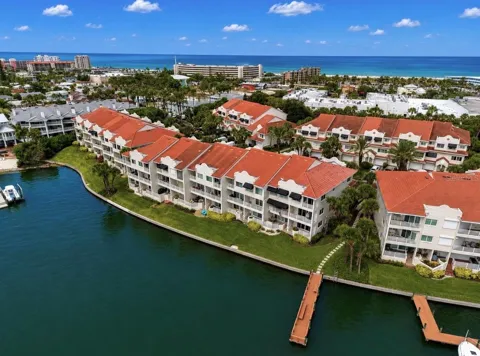
Pinellas County Barrier Island Resort
Welcome to St. Pete Beach, a Pinellas County barrier-island city known for its white-sand Gulf beaches, the historic Pass-a-Grille district, and the landmark Don CeSar.
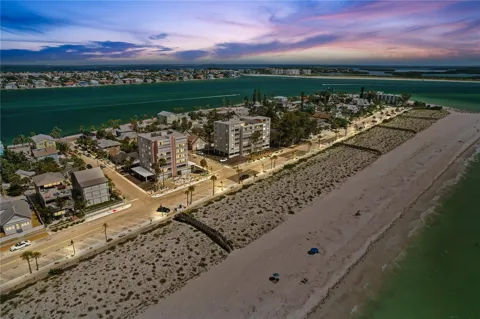
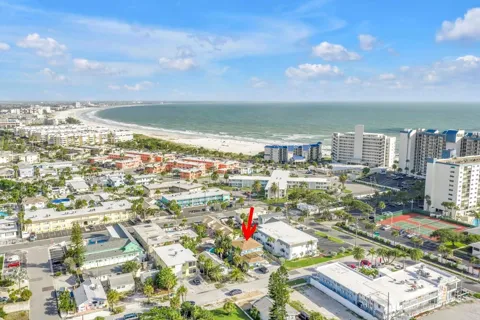
St. Pete Beach is a city in Pinellas County, Florida, occupying a barrier island along the Gulf of Mexico just west of St. Petersburg. With roughly 8,900 residents, it is a compact, long-established beach community whose economy and lifestyle revolve around tourism, the waterfront, and its celebrated shoreline. The city sits south of Treasure Island and is known for its wide stretches of white sand and its role as one of Florida's classic Gulf Coast resort towns. The island's identity is rooted in its history as a beach destination. The Don CeSar hotel, an iconic pink Mediterranean Revival landmark completed in the 1920s, anchors the beachfront and remains one of the most recognizable buildings on Florida's Gulf Coast. At the island's southern tip, Pass-a-Grille preserves a quieter, historic character with pastel cottages, a fishing pier, and independent shops, while the Gulf Beaches Historical Museum chronicles the barrier islands' past. Recreation is woven into daily life, from swimming and sunset watching at Pass-a-Grille and Upham Beach Park to boating, paddleboarding, and fishing in the Gulf and the Intracoastal Waterway. A walkable Gulf Boulevard corridor ties together resorts, restaurants, and beach access points. The city's population skews older, giving it a relaxed, established atmosphere distinct from more fast-paced resort destinations. Housing ranges from mid-century beach cottages and condominiums to newer waterfront homes with direct Gulf access, and a substantial portion of the island's units serve as vacation and seasonal residences. For homebuyers, St. Pete Beach offers a resort-style, beachfront lifestyle with proximity to downtown St. Petersburg and the broader Tampa Bay region, appealing to retirees, second-home buyers, and those seeking a permanent coastal address.
St. Pete Beach is a city in Pinellas County, Florida, on a barrier island along the Gulf of Mexico just west of St. Petersburg and immediately south of Treasure Island.
St. Pete Beach is served by Pinellas County Schools. Gulf Beaches Elementary Magnet School is located on the island and serves students in kindergarten through fifth grade as a magnet program.
Pass-a-Grille, at the island's southern tip, is the historic district known for pastel cottages and a fishing pier. Upham Beach Park anchors the northern end with beachfront parkland and volleyball courts.
The Don CeSar is a pink Mediterranean Revival hotel completed in the 1920s that has become the island's signature landmark, anchoring the beachfront of St. Pete Beach. It is among the most recognizable buildings on Florida's Gulf Coast.
City Guide
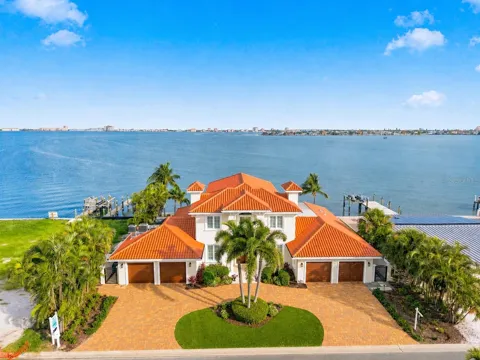
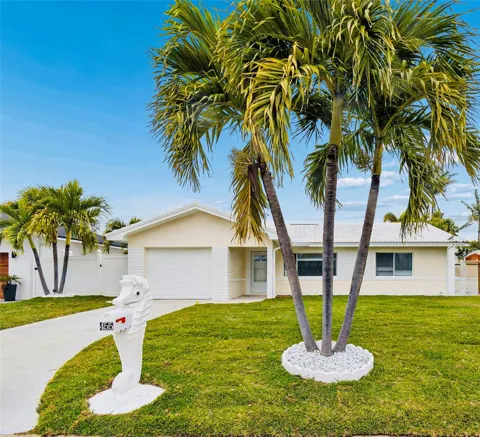
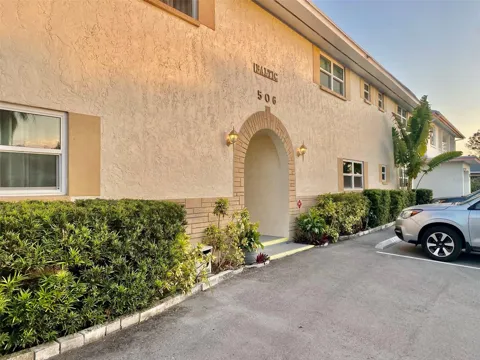
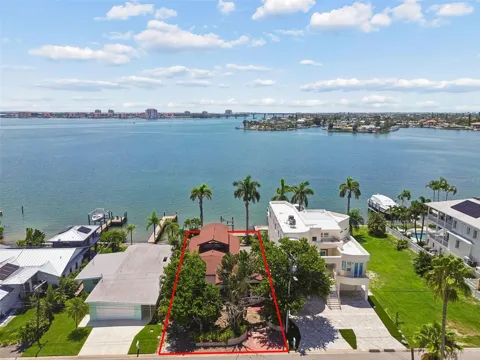
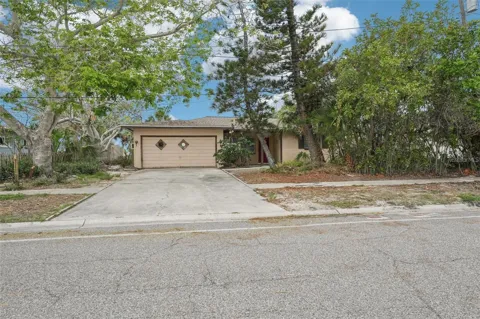
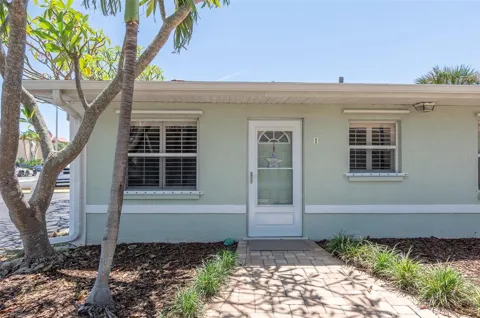
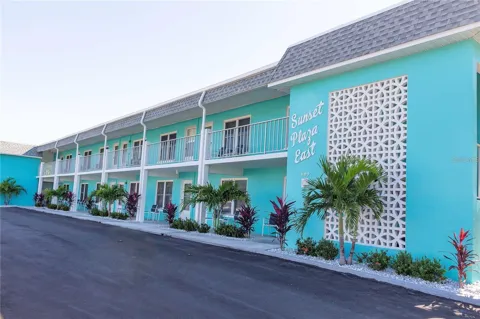
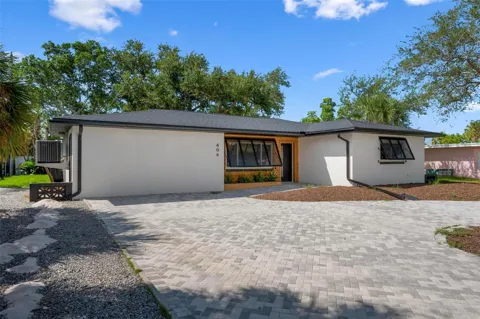
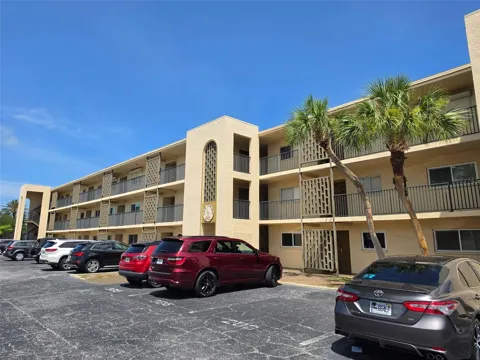
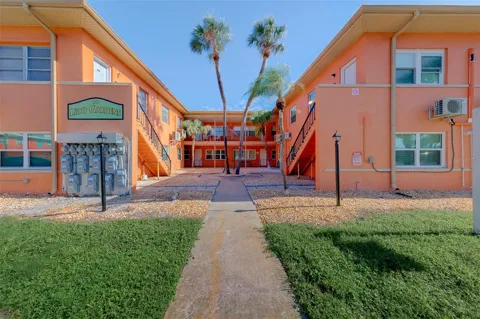
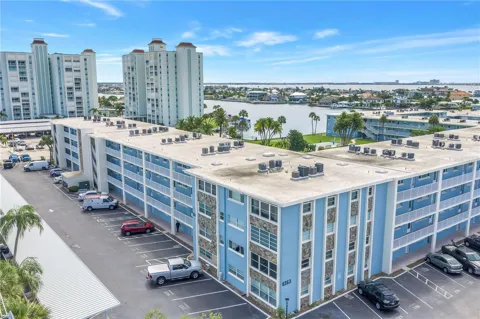
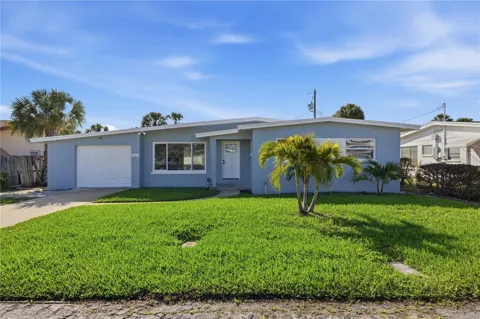
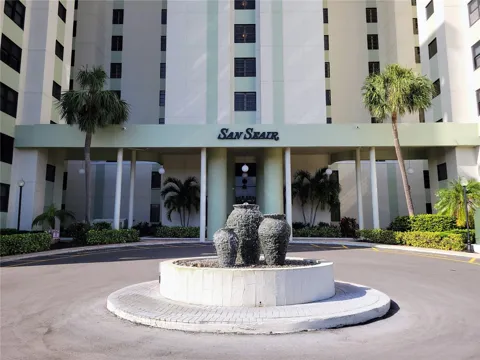
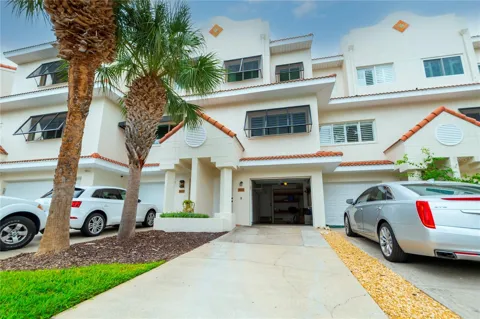
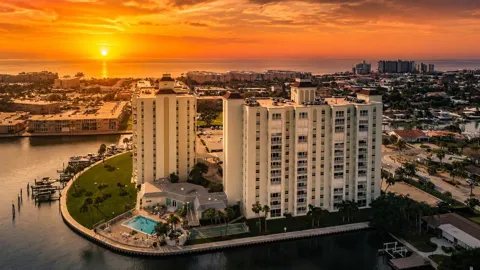
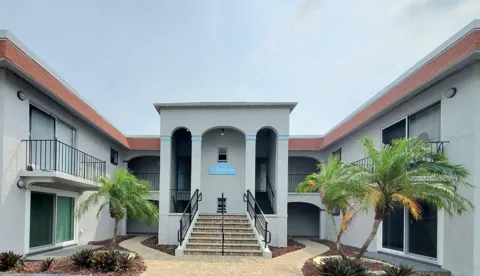
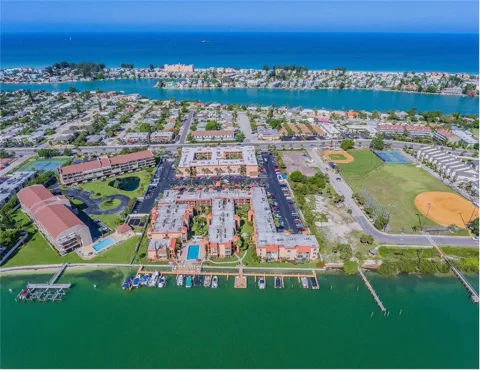
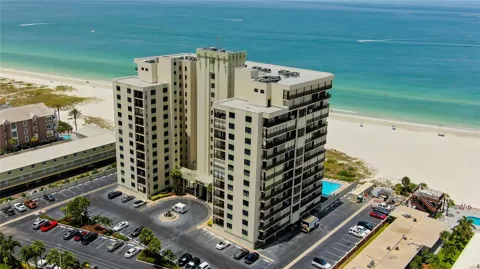
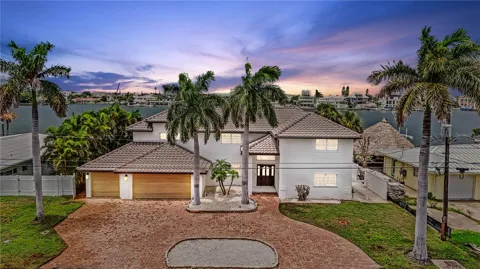
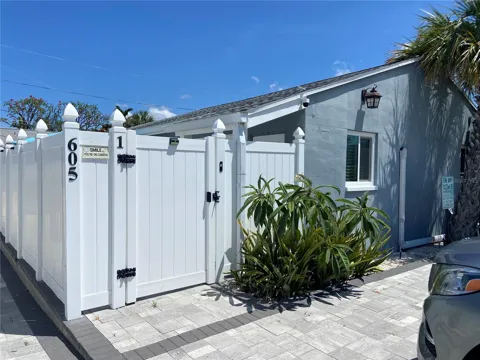
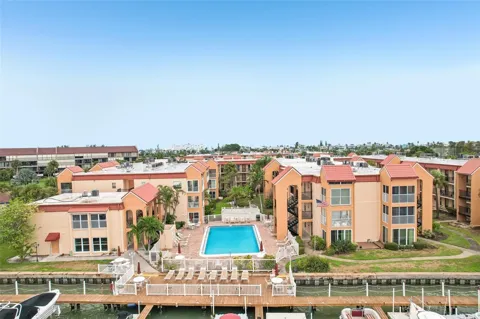
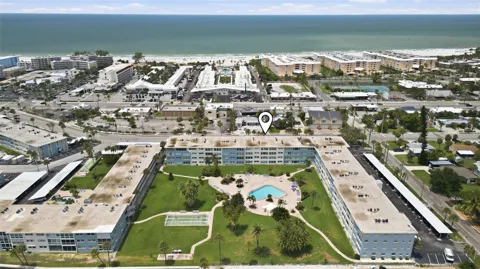
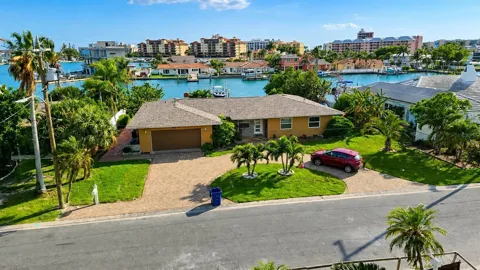
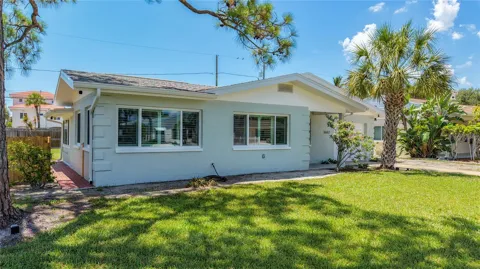
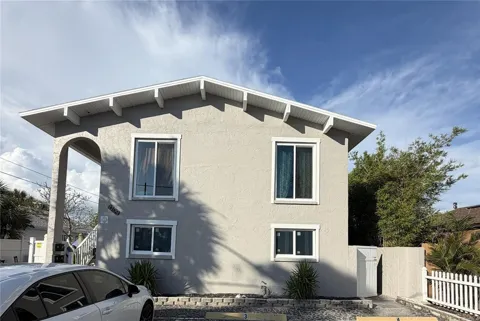
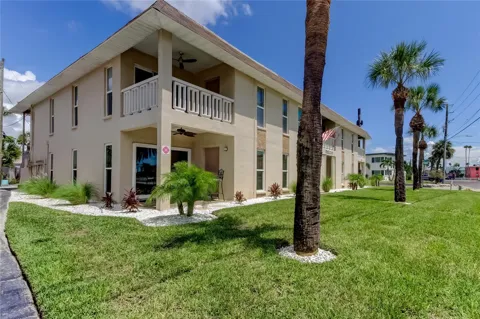
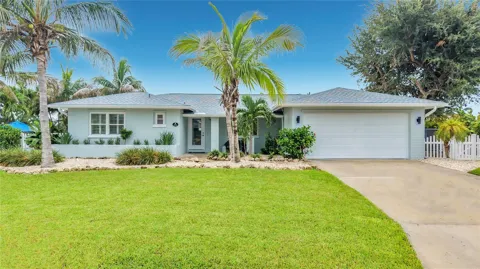
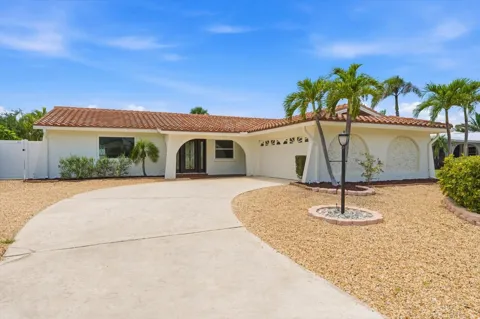
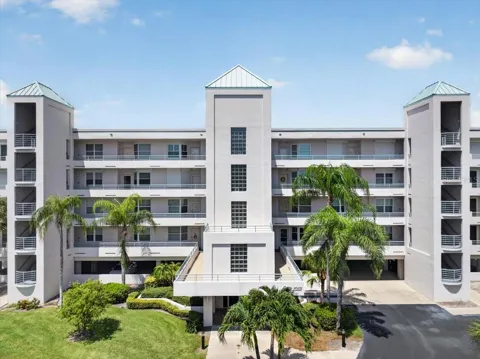
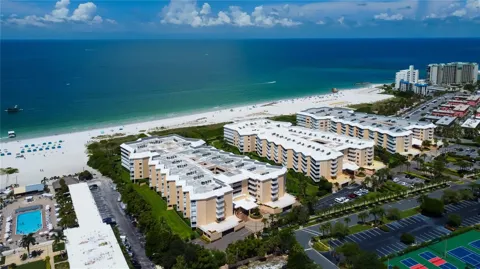
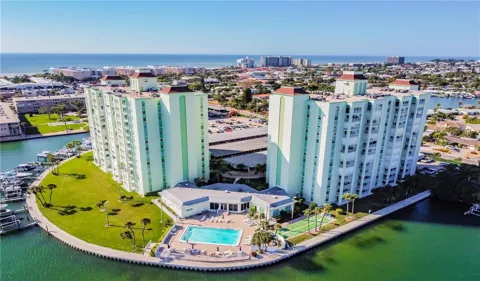
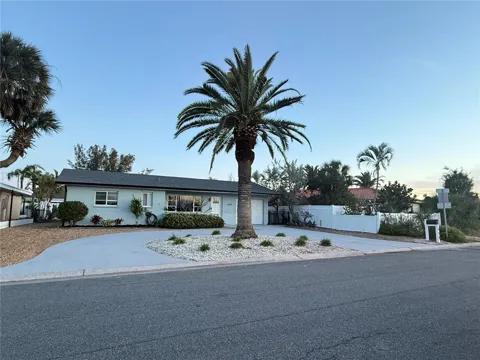
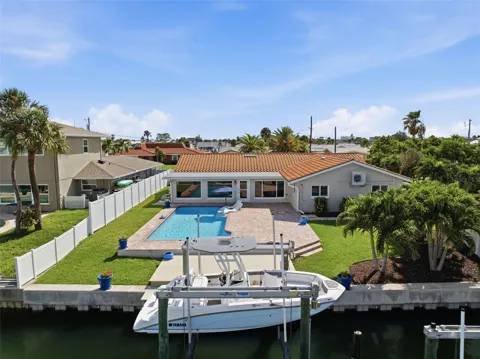
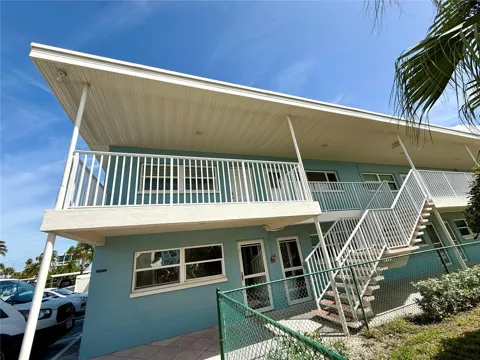
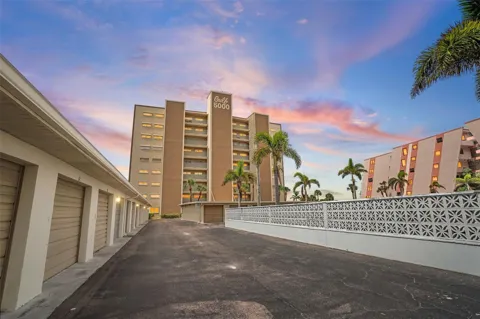
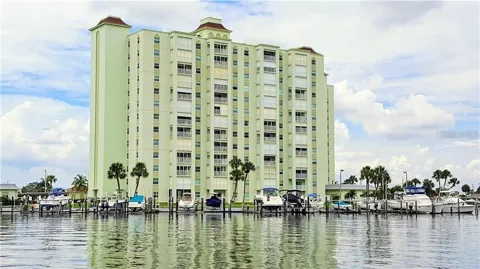
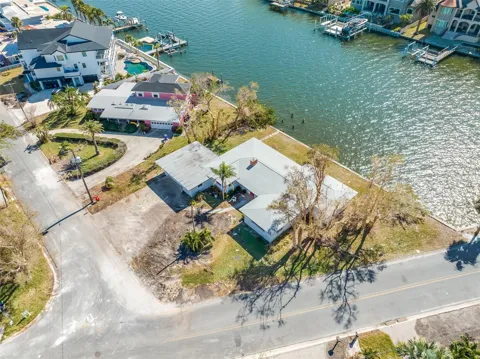
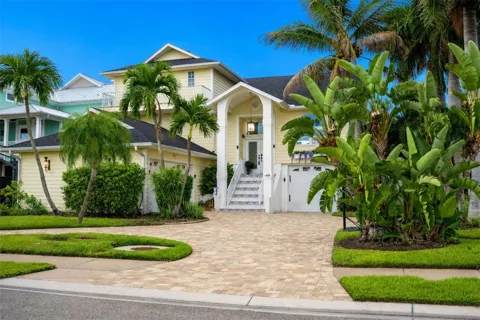
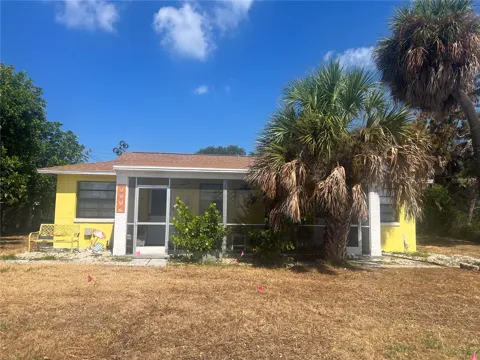
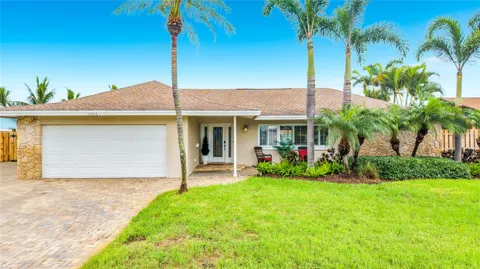
St. Pete Beach's housing market is shaped by its barrier-island setting. The stock includes mid-century beach cottages, condominium buildings, and resort-style properties, alongside newer single-family homes and residences with direct Gulf of Mexico access. Waterfront homes and Gulf-front condos anchor the upper end of the market, while inland and bayside units provide more varied options. Because the island is small and largely built out, the market emphasizes location — Gulf frontage, water access, and proximity to the beach all carry strong value. The city's population skews older, and a significant share of housing serves as vacation and seasonal properties. This blend of permanent residences and rental investment gives St. Pete Beach a distinct, tourism-influenced real-estate character compared with mainland Pinellas County.
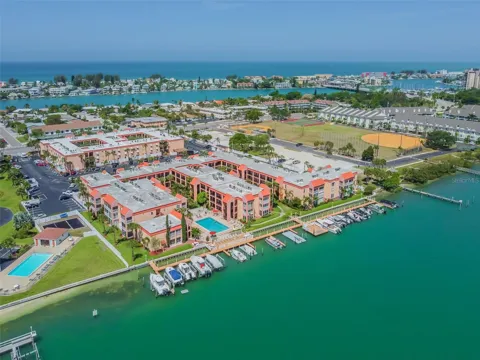
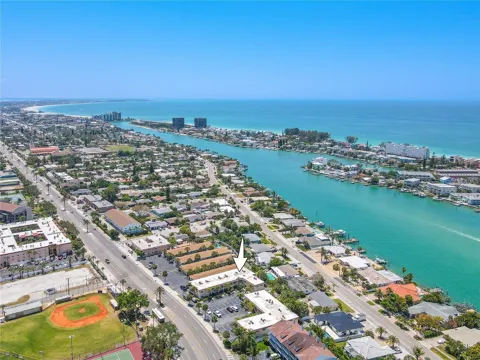
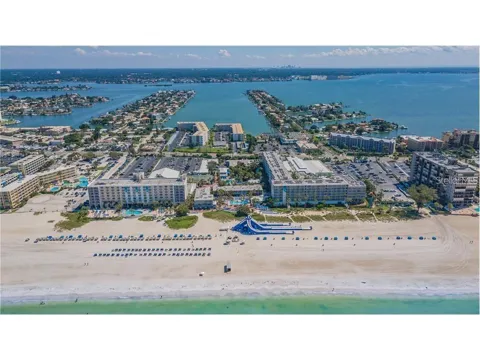
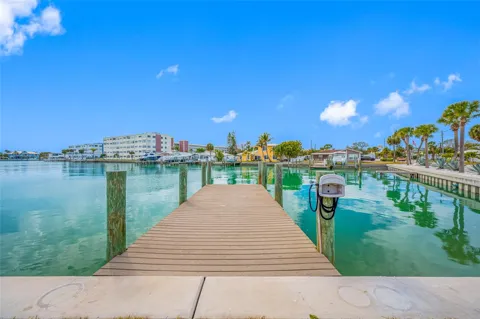
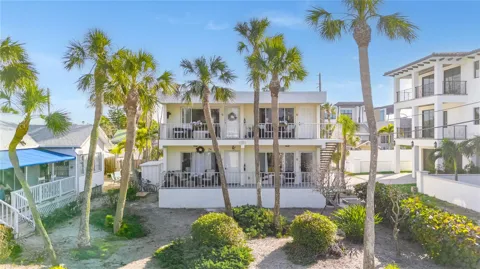
St. Pete Beach is organized along its barrier-island geography, with distinct areas defined by their relationship to the water. Pass-a-Grille, at the southern tip, is the island's historic core, known for pastel cottages, a fishing pier, and a relaxed, old-Florida atmosphere. The central beachfront stretches north along Gulf Boulevard, lined with resorts, condominiums, and the landmark Don CeSar. Upham Beach anchors the northern end with beachfront parkland and a quieter residential feel, while bayside areas along the Intracoastal Waterway offer boat access and marina-oriented living. The city's compact scale means residents move easily between these areas, and the entire community shares direct access to the Gulf beaches that define the island.
St. Pete Beach offers a laid-back, beach-centered lifestyle. Residents and visitors spend their days on the wide Gulf beaches, at Upham Beach Park and Pass-a-Grille, and on the water — boating, paddleboarding, and fishing in the Gulf and Intracoastal. Sunsets over the Gulf are a daily community ritual, particularly at Pass-a-Grille. The Gulf Boulevard corridor supplies restaurants, beach bars, and shops within walking distance, and the Gulf Beaches Historical Museum adds a cultural stop. Downtown St. Petersburg's arts, dining, and sports are a short drive across the bridge, while the island itself maintains a relaxed, resort pace. The city's older demographic contributes to a calm, established atmosphere that appeals to retirees and those seeking a quieter coastal life.
St. Pete Beach is served by Pinellas County Schools. Gulf Beaches Elementary Magnet School, located on the island, serves students in kindergarten through fifth grade and is known as a highly rated magnet school with a gifted and talented program. Older students attend middle and high schools in the broader St. Petersburg area. Because the city's population skews older and many households are seasonal, school enrollment on the island is modest. Families in St. Pete Beach have access to the full range of Pinellas County Schools, including magnet, fundamental, and charter options across the district. The school system's breadth is a benefit of the city's location within the larger St. Petersburg-Tampa Bay education network.
St. Pete Beach is connected to the mainland by a series of causeways and bridges across Boca Ciega Bay, linking the island to St. Petersburg and the broader Tampa Bay region. Gulf Boulevard (State Road 699) runs the length of the island, serving as the primary north-south route past the beaches and communities. The city is car-oriented, with residents and visitors driving for most trips, though the island's walkable commercial core and beach access support foot and bicycle travel locally. St. Pete-Clearwater International Airport and Tampa International Airport are both reachable by highway, and downtown St. Petersburg is a short drive across the bay. This connectivity keeps the island accessible while preserving its beachfront character.
St. Pete Beach's recreation is centered on its Gulf shoreline. Pass-a-Grille Beach and Upham Beach Park offer swimming, sunbathing, volleyball, and picnic areas, while the Don CeSar and the island's resorts anchor the beachfront experience. Boating, paddleboarding, and fishing are popular in both the Gulf and the Intracoastal Waterway. The Gulf Beaches Historical Museum provides a cultural counterpoint, and the island's walkable Gulf Boulevard corridor supports strolling, dining, and shopping. Nearby Fort De Soto Park, one of the region's largest waterfront parks, adds beaches, trails, and kayaking a short drive away. For a small barrier island, St. Pete Beach packs a full complement of sun, water, and outdoor recreation.
MARKET SNAPSHOT
How homes have been selling here over the last 90 days.
Market data reflects closed sales over the last 90 days and is provided for informational purposes.
BROWSE BY ZIP
Browse listings by postal code in this area.