Gulf Coast Beach Capital
Welcome to Clearwater, where sugar-sand beaches meet a reimagined downtown waterfront. This stretch of the Gulf Coast pairs year-round coastal living with one of Florida's most walkable bayfront districts.
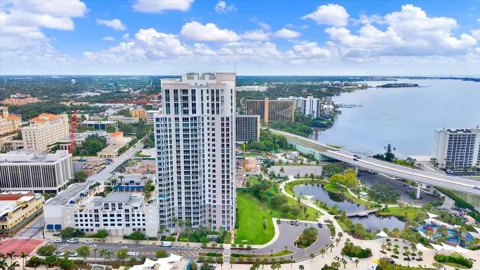
Clearwater occupies a strategic position on the Pinellas Peninsula, with Tampa Bay to the east and the Gulf of Mexico to the west. Its name derives from the freshwater springs that once bubbled up along the city's bluff overlooking the bay — a natural feature that drew the area's first settlers and gave the city both its identity and its early economic foundation. Incorporated in 1891, Clearwater grew from a small agricultural and fishing community into a mid-sized Florida city whose economy has long been tied to tourism, retirement migration, and, more recently, significant downtown investment. The city is best known beyond Florida for Clearwater Beach, a narrow barrier island that consistently appears on national "best beaches" lists for its powdery white-quartz sand and calm, shallow Gulf waters. The beach district — a walkable strip of hotels, seafood restaurants, and souvenir shops — operates as a self-contained resort zone, connected to the mainland by the Memorial Causeway. Pier 60, extending 1,080 feet into the Gulf at the beach's central access point, functions as the district's social hub. On the mainland, downtown Clearwater has been the focus of sustained redevelopment efforts. The city's Community Redevelopment Agency, established in 1981, has guided a transformation of the Cleveland Street District, adding high-rise condominiums, a renovated marina, and new bars and restaurants. The recent overhaul of Coachman Park — a waterfront green space at the foot of the Memorial Causeway — created an outdoor concert venue and event lawn that has become a civic gathering point. The adjacent Bilheimer Capitol Theatre, a restored 1920s movie palace, anchors the city's performing-arts scene. Clearwater's economy is a blend of tourism, healthcare, and professional services. The Church of Scientology maintains its spiritual headquarters in downtown Clearwater, owning a substantial portfolio of properties and generating significant economic activity. The city also functions as a bedroom community for professionals commuting across the Courtney Campbell Causeway to Tampa's Westshore business district, roughly 20 miles east. The residential landscape ranges from waterfront estates along Clearwater Harbor to mid-century ranch neighborhoods inland, with a growing inventory of downtown condominiums aimed at downsizers and second-home buyers.
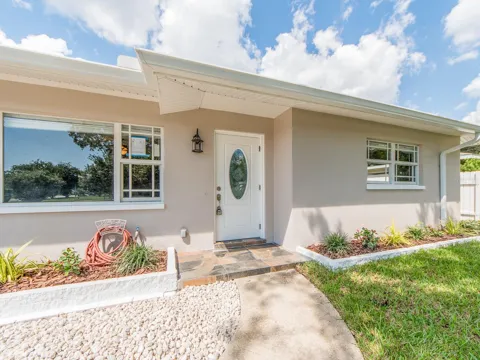
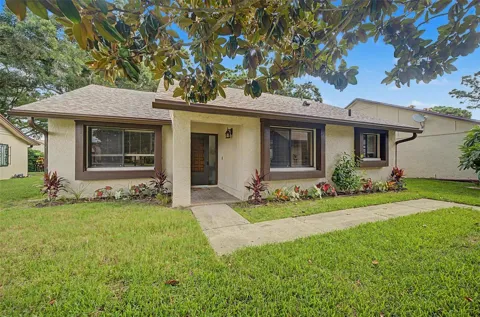
Clearwater is located in Pinellas County, Florida, and serves as the county seat. It sits on the Pinellas Peninsula between the Gulf of Mexico and Tampa Bay, roughly 20 miles west of downtown Tampa. Clearwater is part of the Tampa-St. Petersburg-Clearwater metropolitan statistical area, the largest metro area in Florida.
Clearwater is best known for Clearwater Beach, a barrier-island beach with powdery white-quartz sand consistently ranked among the top beaches in the United States. Pier 60, a 1,080-foot fishing pier at the beach's central access point, hosts a nightly sunset celebration with street performers and artisans. The city is also the spiritual headquarters of the Church of Scientology, which maintains a significant property portfolio in downtown Clearwater.
Clearwater is served by Pinellas County Schools, one of Florida's largest public school districts. Clearwater High School is the primary public high school within the city, while Countryside High School serves many northern Clearwater neighborhoods. The district offers magnet and fundamental-school programs with specialized curricula, and several private and parochial schools operate within the city.
Clearwater is roughly 20 miles west of downtown Tampa. The drive typically takes 30 to 40 minutes via State Road 60 (Gulf-to-Bay Boulevard) and the Courtney Campbell Causeway across Old Tampa Bay, though travel time varies with traffic. Tampa International Airport is approximately 25 to 35 minutes by car from most parts of Clearwater.
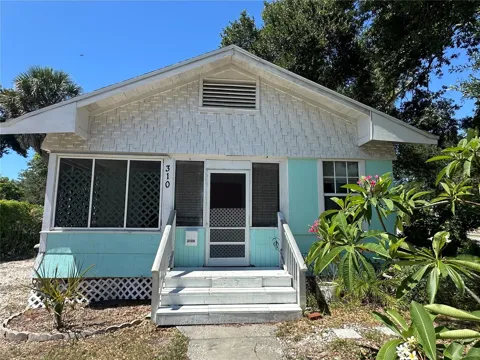
Harbor Oaks, a historic neighborhood on the bluff overlooking Clearwater Harbor, features Mediterranean Revival and Craftsman homes from the 1920s. Island Estates offers waterfront canal homes with Gulf access, popular with boaters. Clearwater Beach and Sand Key provide condominium and single-family options directly on the Gulf. Inland, Countryside and Greenbriar offer more traditional suburban living with mid-century homes and good access to schools and shopping.
City Guide
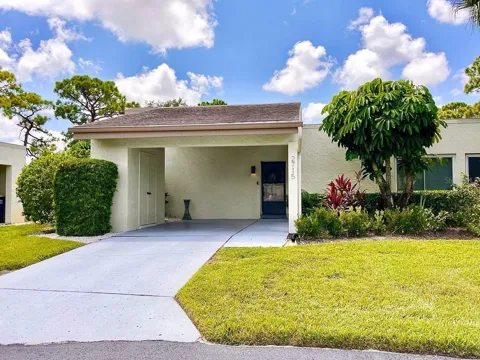
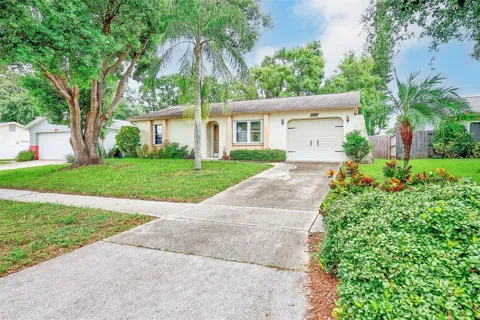
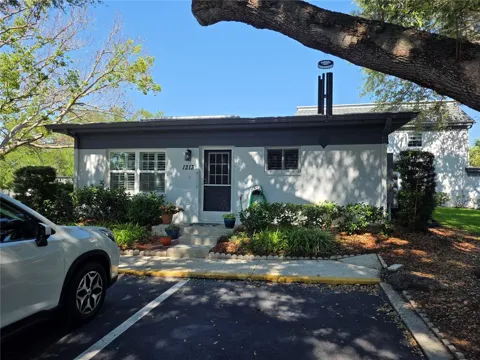
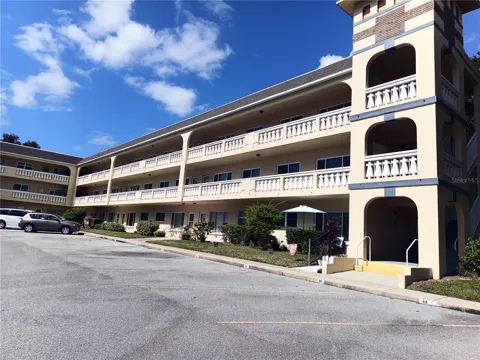
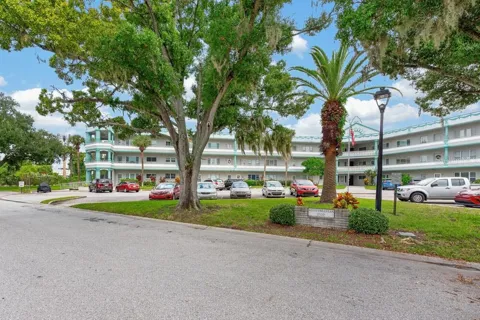
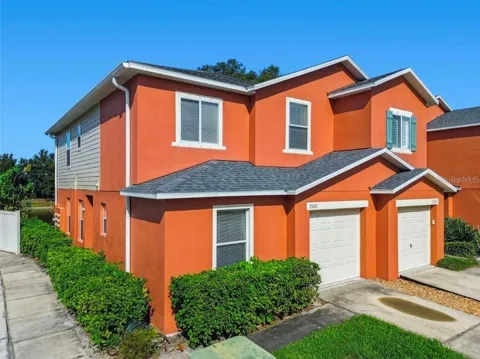
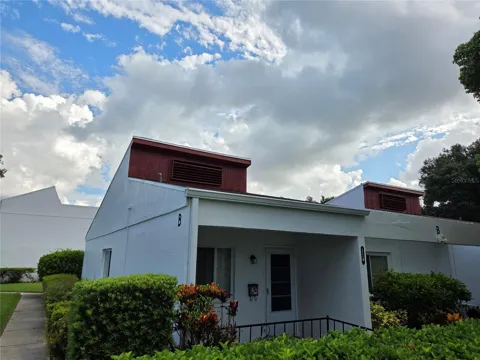
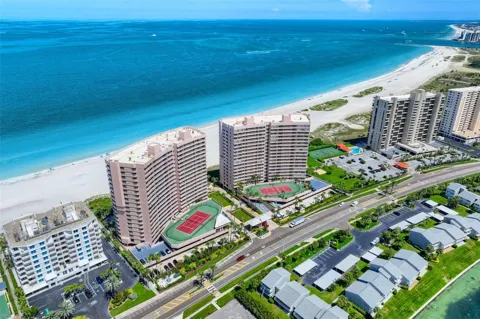
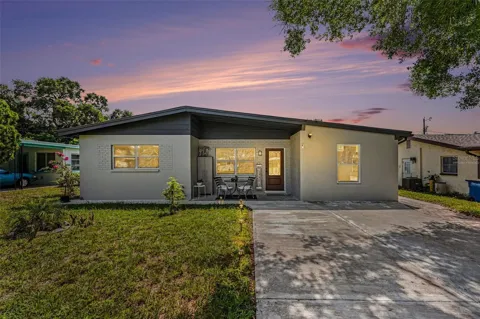
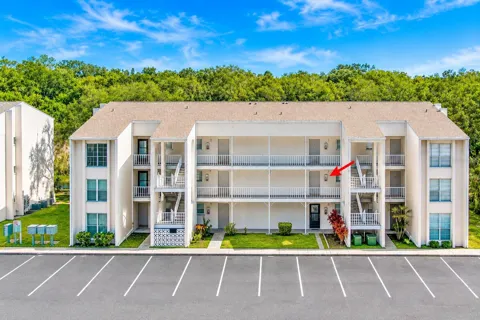
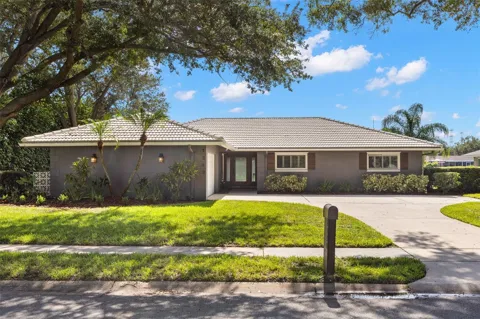
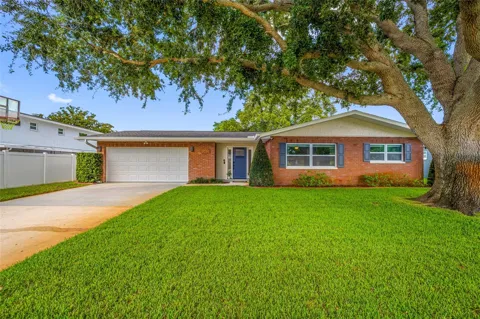
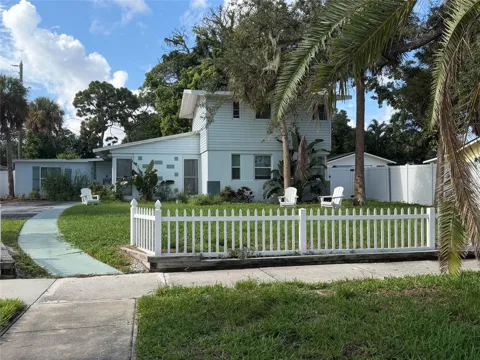
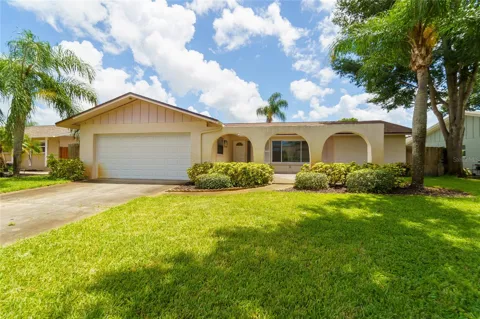
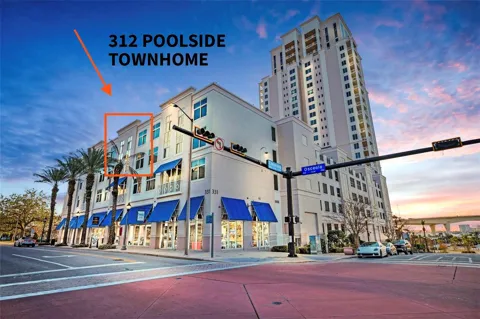
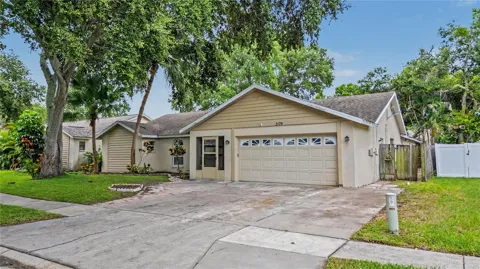
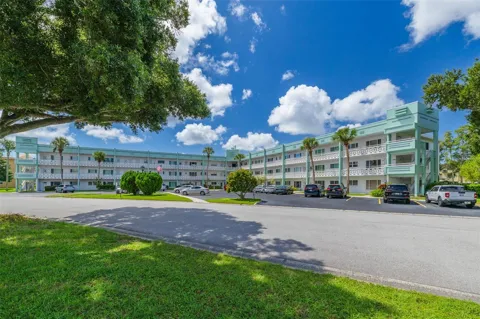
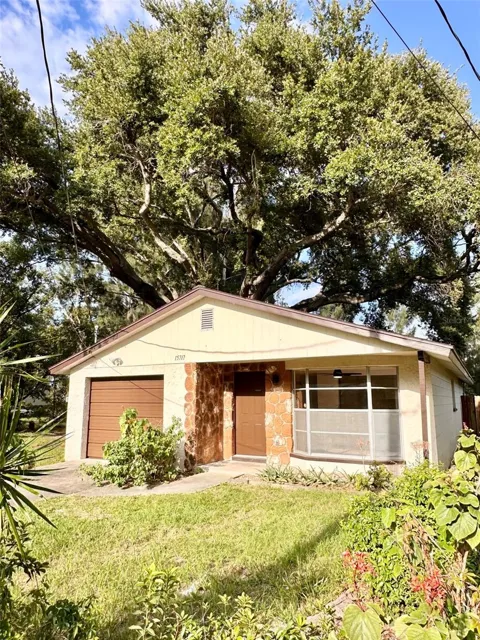
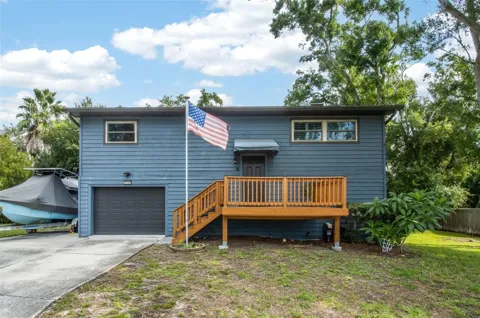
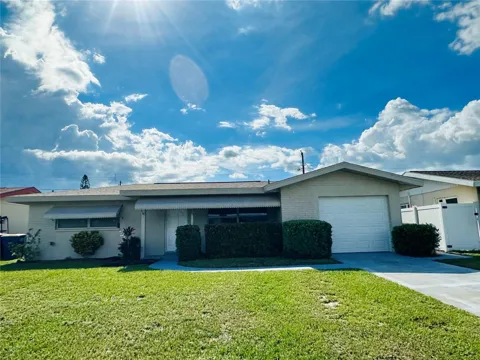
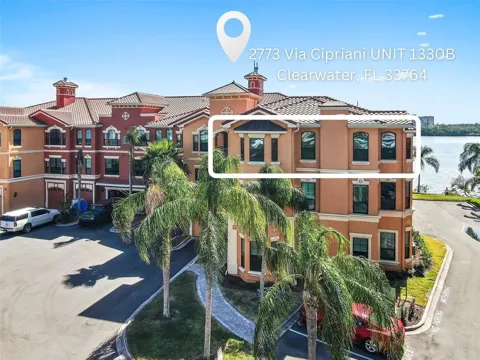
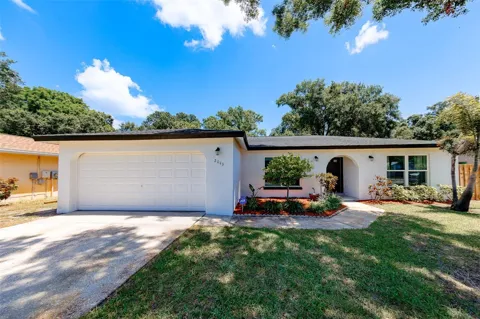
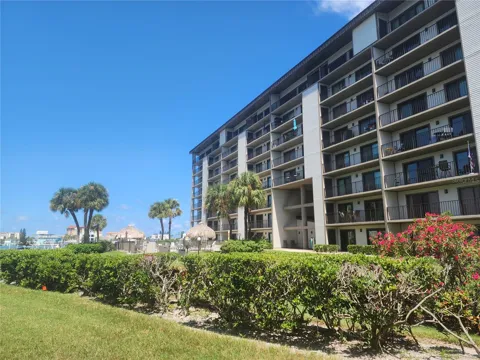
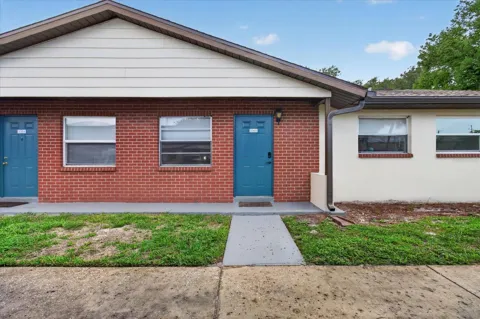
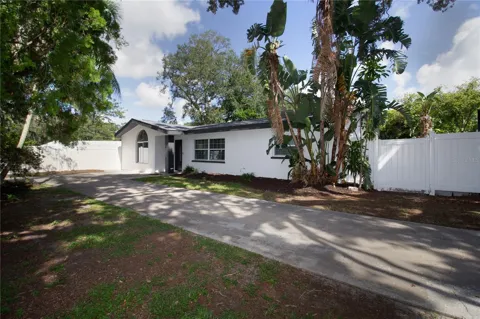
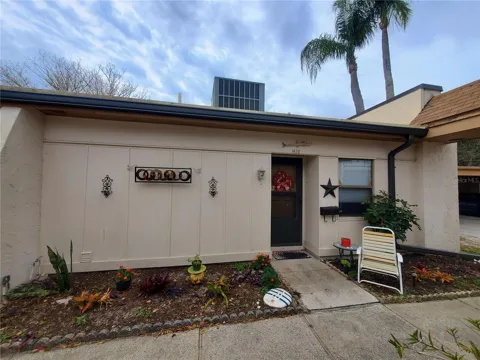
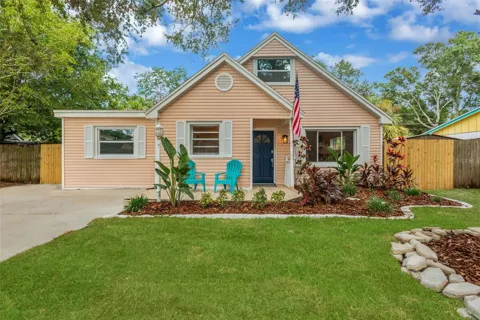
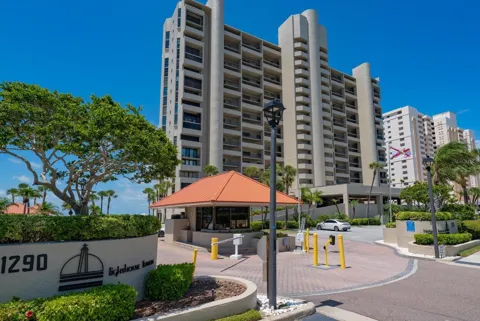
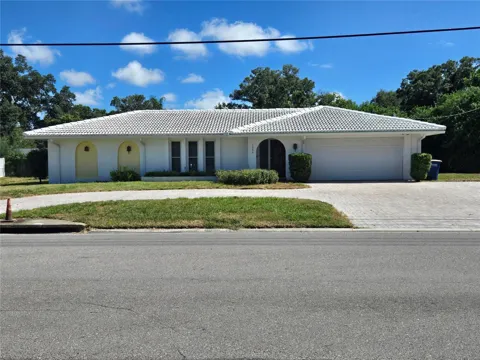
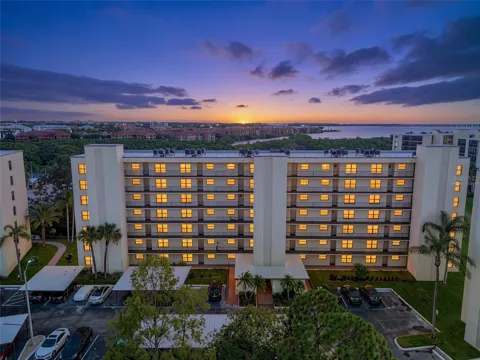
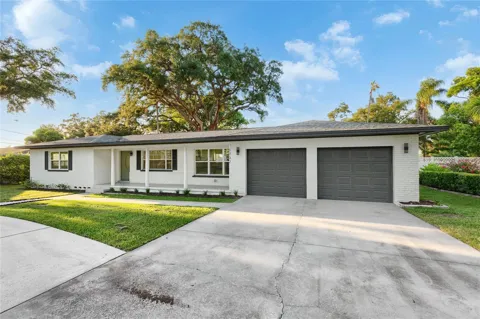
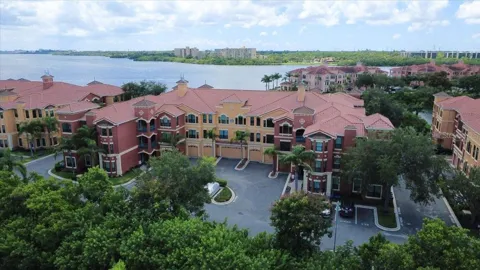
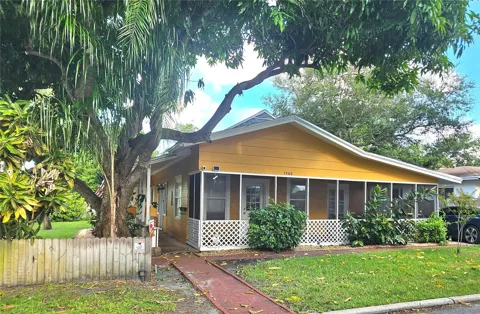
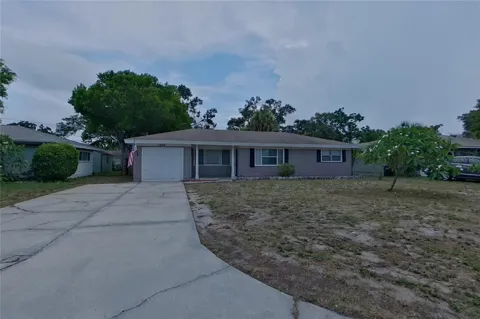
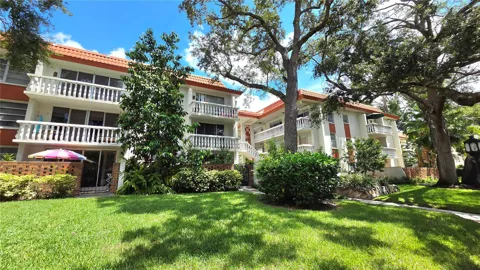
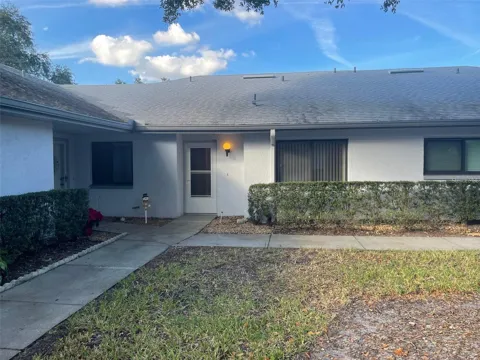
Clearwater's housing stock reflects its layered history: neighborhoods platted during the mid-century Florida boom sit alongside newer waterfront condominiums and inland subdivisions built during subsequent decades of growth. The city's most distinctive residential character is found along the water, where properties on Clearwater Harbor, the Intracoastal Waterway, and the Gulf-front barrier island command premium values. Clearwater Beach and Sand Key feature a mix of mid-rise and high-rise condominiums, many built from the 1970s through the 2000s, along with a dwindling inventory of older single-family beach cottages. On the mainland, the neighborhoods east of US 19 — including Countryside, Greenbriar, and the areas surrounding Clearwater Mall — contain mostly single-family homes built between the 1960s and 1990s, with ranch and split-level designs predominating. Lot sizes are generally modest but larger than those found in more densely built Pinellas communities to the south. Harbor Oaks, one of the city's oldest neighborhoods just south of downtown, features historic Mediterranean Revival and Craftsman homes on larger, well-landscaped lots with mature tree canopies. Downtown Clearwater has seen a wave of condominium construction in recent years, adding high-rise units aimed at buyers seeking walkable access to Coachman Park, the marina, and the Cleveland Street dining corridor. The condo market also appeals to seasonal residents and investors drawn to Florida's lack of a state income tax. The city's housing stock overall is older on average than in newer Tampa suburbs, but its waterfront location and ongoing downtown investment continue to attract renovation and redevelopment activity.
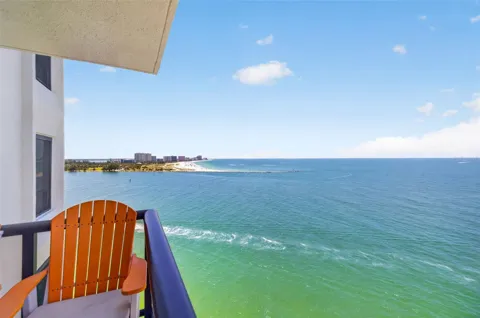
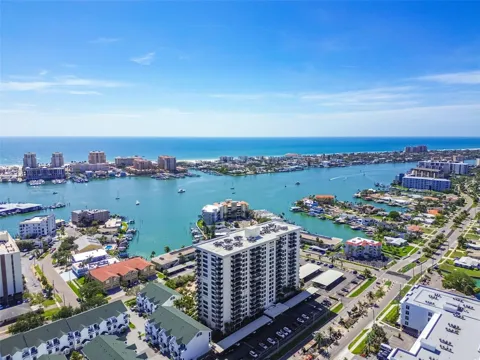
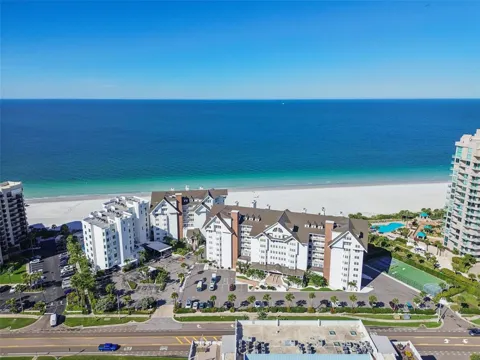
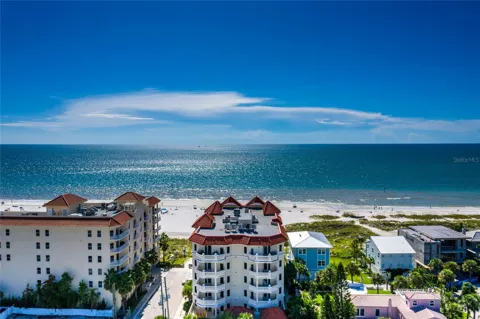
Clearwater Beach is the city's most famous neighborhood, occupying a barrier island separated from the mainland by Clearwater Pass and the Intracoastal Waterway. The area around Pier 60 is densely developed with hotels, condominiums, and tourism-focused retail, while the quieter northern end — including Carlouel and North Clearwater Beach — offers more residential seclusion with single-family homes on deeper lots. Harbor Oaks, perched on the bluff overlooking Clearwater Harbor just south of downtown, is the city's premier historic neighborhood. Developed in the 1920s, its winding streets are lined with Mediterranean Revival mansions, Craftsman bungalows, and mature banyan and oak trees. The neighborhood retains a sense of Old Florida charm rare in coastal Pinellas County. Island Estates, a man-made island in Clearwater Harbor connected by bridge to both the mainland and Clearwater Beach, offers waterfront homes on dredged canals with direct Gulf access — popular with boaters. Across the Memorial Causeway, downtown Clearwater's Cleveland Street District continues to add residential units as the area transforms into a walkable urban core. Inland neighborhoods like Countryside, east of US 19, provide more traditional suburban living with larger ranch homes, good access to shopping at Westfield Countryside Mall, and well-rated schools. The Morningside and Plumb Oaks neighborhoods, in central Clearwater, offer established mid-century homes on tree-lined streets at more accessible price points than the waterfront districts. On Sand Key, south of Clearwater Beach, high-rise condominiums overlook wide Gulf beaches and Sand Key Park.
Clearwater's lifestyle revolves around the water. Mornings begin with walks along the beach, paddleboarding on the Intracoastal, or coffee on a condo balcony overlooking the Gulf. The city's identity is shaped by its tourism economy — the beach district hums with out-of-town visitors year-round — but daily life for residents unfolds at a more measured pace, anchored by the rhythms of a coastal Florida community. Pier 60 is the city's social touchstone. Each evening, the pier hosts a sunset celebration with street performers, artisans, and live music as visitors and locals gather to watch the sun sink into the Gulf. On the mainland, Coachman Park has emerged as Clearwater's civic living room — a waterfront venue hosting concerts, food festivals, and holiday events against the backdrop of the Memorial Causeway and Clearwater Harbor. The dining scene spans from beachfront seafood shacks to downtown chef-driven restaurants. Frenchy's, a local institution with multiple beach locations, is synonymous with grouper sandwiches and casual Gulf-side dining. Downtown's Cleveland Street has added wine bars, gastropubs, and craft cocktail lounges. Across the causeway, Tampa's Westshore business district and growing culinary scene are a manageable 30-minute drive. Boaters, anglers, and beachgoers form the core of Clearwater's recreational culture. Marinas on both the bay and Gulf sides provide deep-water access, while the Pinellas Trail — a 50-mile paved bike-and-pedestrian corridor running the length of the county — cuts through the city, connecting neighborhoods and offering a car-free route to Dunedin, Tarpon Springs, and points south toward St. Petersburg.
Clearwater is served by Pinellas County Schools, one of Florida's largest public school districts, which operates more than 140 schools across the county. Within Clearwater proper, families are zoned to a network of elementary, middle, and high schools based on residential address. Clearwater High School, located near the eastern edge of the city, is the flagship public high school, serving roughly 1,500 students in grades 9 through 12. The school offers Advanced Placement coursework, career academies, and a range of athletic and arts programs. Countryside High School, though just outside the city limits, also serves a significant portion of Clearwater's northern neighborhoods. Pinellas County Schools operates magnet and fundamental-school programs that provide alternatives to the traditional zoning model. These include schools with specialized STEM, performing-arts, and International Baccalaureate curricula, accessible to Clearwater students through the district's application process. Several charter schools within the city offer additional public options. Private education in Clearwater includes Calvary Christian High School, Clearwater Central Catholic High School, and several parochial and independent elementary and middle schools. Families seeking additional private options have access to well-regarded independent schools in nearby Palm Harbor, Dunedin, and Safety Harbor. St. Petersburg College operates a Clearwater campus providing associate degrees, workforce training, and university-transfer pathways.
Clearwater sits at a crossroads of Pinellas County's highway network. US 19 runs north-south through the city's eastern half, functioning as the primary commercial corridor and connecting Clearwater to St. Petersburg to the south and Tarpon Springs to the north. State Road 60 — known locally as Gulf-to-Bay Boulevard — runs east-west across the city, linking Clearwater Beach on the Gulf side to Tampa International Airport and downtown Tampa roughly 20 miles to the east via the Courtney Campbell Causeway. The Memorial Causeway (SR 60) is the sole road connection between mainland Clearwater and Clearwater Beach, and it carries heavy traffic during peak tourism periods. The Bayside Bridge and McMullen Booth Road, east of the city, provide alternative north-south routes that bypass the most congested sections of US 19. Tampa International Airport is the primary air gateway, reachable in about 25 to 35 minutes by car depending on traffic and starting point. The smaller St. Pete-Clearwater International Airport, about 10 miles southeast, offers additional domestic and limited international service. Public transit is provided by the Pinellas Suncoast Transit Authority (PSTA), which operates bus routes throughout Clearwater and connections to neighboring cities, though service frequency is limited compared to larger metro systems. The Jolley Trolley provides seasonal beach-area shuttle service along the barrier island. Most residents and visitors rely on personal vehicles for daily transportation.
Clearwater Beach is the city's premier recreational asset — a wide, gently sloping shoreline of powdery white sand that draws swimmers, sunbathers, and volleyball players year-round. Pier 60, extending 1,080 feet into the Gulf, is both a fishing destination (no license required on the pier) and a gathering place for the nightly sunset celebration. Just to the south, Sand Key Park offers a quieter beach experience with picnic shelters, a dog park, and a more natural shoreline. Caladesi Island State Park, accessible only by private boat or ferry from Honeymoon Island, is one of Florida's most unspoiled barrier islands. Its three miles of pristine beach, mangrove kayak trails, and nature paths offer a wilderness escape within sight of Clearwater's high-rises. Honeymoon Island State Park, connected to the mainland by causeway just north of the city, provides additional beach access, hiking trails, and bird-watching along the Gulf. Coachman Park, the city's revitalized downtown waterfront green space, hosts outdoor concerts, festivals, and community gatherings with views across the harbor. The Bilheimer Capitol Theatre anchors the performing-arts calendar. The Pinellas Trail, which runs through Clearwater, connects cyclists and pedestrians to Dunedin's craft breweries, Tarpon Springs' sponge docks, and the arts districts of St. Petersburg — a 50-mile ribbon of car-free exploration across the county. For boaters, Clearwater Municipal Marina and numerous private docks provide Gulf and Intracoastal access, with offshore fishing, dolphin-watching cruises, and sunset sails departing daily from the harbor.
MARKET SNAPSHOT
How homes have been selling here over the last 90 days.
Market data reflects closed sales over the last 90 days and is provided for informational purposes.
BROWSE BY ZIP
Browse listings by postal code in this area.